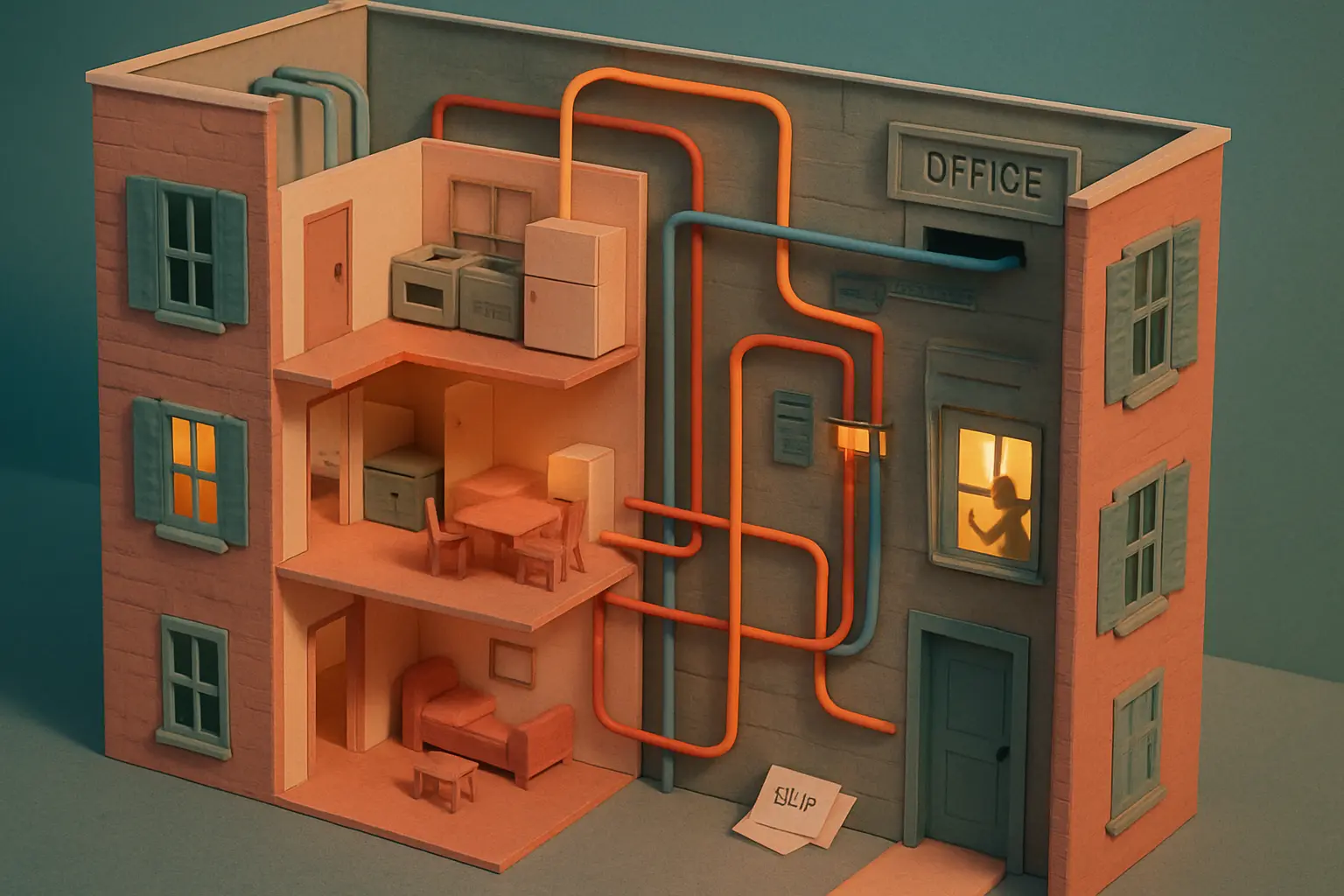

Renters Hit With Bigger Utility Charges? Protect Your Housing Next
Your rent may have stayed the same, but the total cost of keeping your home can still jump fast when power, water, gas, or shared-building charges suddenly rise. For renters, that can create a different kind of stress than a normal seasonal bill spike. The problem is not only paying more. It is figuring out whether the charge is valid, whether the lease allows it, and how to prevent a rough month from turning into a lease violation or move-out pressure.
This topic is different from a general guide to energy aid. Here, the key issue is the renter’s position inside a lease. If a landlord changed the way utilities are billed, started using a shared-cost formula, or added separate charges that were not obvious before, the smartest move is to slow down and document everything before paying or fighting.
Some state rules are stricter than others. Guidance from the tenant utility factsheet in Ohio explains that renters may face direct billing, submetering, or landlord-managed utility setups. National consumer advocates also explain how ratio utility billing systems can shift costs across tenants in ways that deserve close review. If a higher bill just appeared, the best next step is not guessing. It is checking the lease, the billing method, and the help options that may keep housing stable.
Start with the lease before arguing about the amount
Your strongest protection usually begins with the exact wording of your rental agreement.
A utility charge may feel unfair, but the first question is whether the lease actually allowed the landlord to bill that way in the first place.
Pull the signed lease and look for every section that mentions utilities, services, fees, common-area charges, billing changes, or landlord pass-through costs. Some renters are responsible for setting up electricity or gas directly with the provider. Others pay the landlord for all or part of service. Still others live in buildings where costs are divided through submetering or a formula based on unit size, occupancy, or another method.
That difference matters because a bill hike can come from several sources:
- A real increase from the utility company
- A building switching to a new billing method
- A fee that was always allowed but never charged before
- A charge that may not match the lease terms
- A mistake in how your unit was counted or classified
Read carefully for phrases about “allocated utilities,” “shared services,” “administrative fees,” or landlord rights to change billing practices after notice. If utilities used to be folded into rent and are now separated, check whether the lease or renewal paperwork clearly allowed that switch. A general legal explainer on previously included utilities notes that state law and lease language both matter.
Make a simple file with your lease, renewal notices, texts, emails, and every recent bill. If the landlord says the charge is valid, ask for the section of the lease that supports it. That one question can quickly show whether the problem is a normal price increase or something you need to challenge more formally.

Watch closely for shared-bill formulas and weak explanations
Sudden increases are worth a closer look when the building uses pooled or allocated billing instead of a meter tied only to your unit.
When renters are charged through a formula instead of a dedicated meter, transparency matters almost as much as the dollar amount.
Many renters first notice trouble after a building adopts RUBS, or ratio-based utility billing. Instead of paying for only what your own meter shows, tenants may be billed through a formula that spreads costs across the property. Consumer advocates say these systems can differ widely in how charges are calculated, how often they change, and what extra fees get added.
This does not automatically mean the charges are unlawful. It does mean you should ask direct questions:
- What exact utility is being allocated?
- What formula is being used?
- Is occupancy, square footage, or another factor part of the calculation?
- Are there monthly service or billing fees on top of usage?
- Can you see the master bill or supporting breakdown?
Recent reporting on tenant backlash over shared utility charges shows why renters should not ignore unexplained spikes. Even if a landlord is allowed to use a shared-cost system, poor disclosure and fuzzy math can still become a real issue.
State law can also shape what is allowed. In Connecticut, for example, officials announced stronger protections against improper separate utility charges unless service is measured with a meter dedicated to that dwelling unit. The state release on tenant protection for utility billing is a reminder that local rules can be stricter than many renters realize.
If the charge is unclear, ask for a written explanation before relying on a hallway conversation. Clear paperwork gives you something useful if you later need legal aid, a tenant counselor, or a local housing agency.
Act early if the higher bill could affect rent or lease compliance
The goal is to prevent a utility problem from becoming a housing problem.
The earlier you explain a payment strain and ask about options, the more likely the conversation stays about solutions instead of violations or late notices.
If the utility increase makes it harder to cover full housing costs, do not wait until the due date passes. Contact the landlord in writing and, if utilities are in your name, contact the utility provider the same week. A short, calm note is usually better than silence. Explain that the increase was unexpected, confirm the amount in question, and ask what options exist while you verify the charge or seek assistance.
This can matter in several ways. A landlord may allow a short payment arrangement if the total housing payment is temporarily tight. A utility company may offer a budget plan, hardship review, or installment arrangement. If the utility is landlord-billed, ask whether any late fee or lease action can be paused while the billing method is reviewed.
Keep your questions practical:
- Can the bill be broken into installments?
- Will any late fee be waived if part is paid now?
- Can the landlord confirm the charge in writing?
- If the utility is direct, does the provider offer hardship help?
- Will a pending assistance application pause collections or shutoff action?
This is especially important if your lease ties utility nonpayment to default language. Some renters assume only unpaid rent matters, but lease terms can be broader. By acting early, you create a record that you are trying to resolve the issue, not ignoring it.
Save copies of every message, portal submission, and payment promise. If the situation later becomes disputed, a paper trail can make a major difference.
Check renter-friendly aid programs and local support channels
Utility help may still be available even if you do not own the home.
Renters often miss real assistance because they assume utility or weatherization programs are only for homeowners.
Start with programs that address the bill itself. If service is in your name, ask the utility about hardship plans, arrears management, budget billing, and low-income discount programs. If your household income is modest, review LIHEAP energy assistance through your local intake agency, since many renters can qualify when they pay utilities directly or when utility costs are part of housing expenses under program rules.
Local help can also matter. Call 211, your community action agency, or a tenant support organization and ask specifically about utility spikes affecting renters. In some places, emergency grant funds, crisis aid, or eviction-prevention programs can help stabilize the full housing picture, not just the utility account.
For longer-term savings, ask whether your area’s weatherization assistance program serves renter households and whether landlord permission is required. Better insulation, air sealing, or equipment fixes can matter if high usage keeps repeating.
A good search order is:
- Your utility company’s customer assistance page
- LIHEAP or local energy-assistance intake
- 211 and community action agencies
- Tenant unions or local housing counselors
- State consumer or utility offices for billing guidance
The important point is not to wait until funding windows close or a missed payment creates new risk. Even partial help can buy time and keep the lease from feeling fragile.
Use a short renter action plan this week
A simple checklist can help you protect both your records and your housing stability.
When bills rise fast, small organized steps usually work better than one emotional phone call and a pile of unanswered questions.
If a new utility charge or unexplained jump just hit your budget, keep the next steps clear and in order:
- Pull your lease and renewal paperwork
- Identify whether the utility is direct, submetered, or landlord-allocated
- Ask for a written billing explanation if the charge is unclear
- Compare the new amount with earlier statements
- Contact the landlord early if the bill affects full housing payment
- Call the utility or local aid office about assistance and payment options
- Save screenshots, emails, and call notes
- Check your state or local tenant protections if the billing method seems improper
Not every high bill is illegal, and not every renter will qualify for aid. Still, many lease problems grow because tenants wait too long to verify the charge, ask for help, or document what changed. The better approach is to treat the first spike as a warning sign worth checking closely.
If your housing costs just climbed because of utilities, review the billing method, your lease terms, and the support options in your area today. A few careful steps now may help protect both your budget and your place to live.