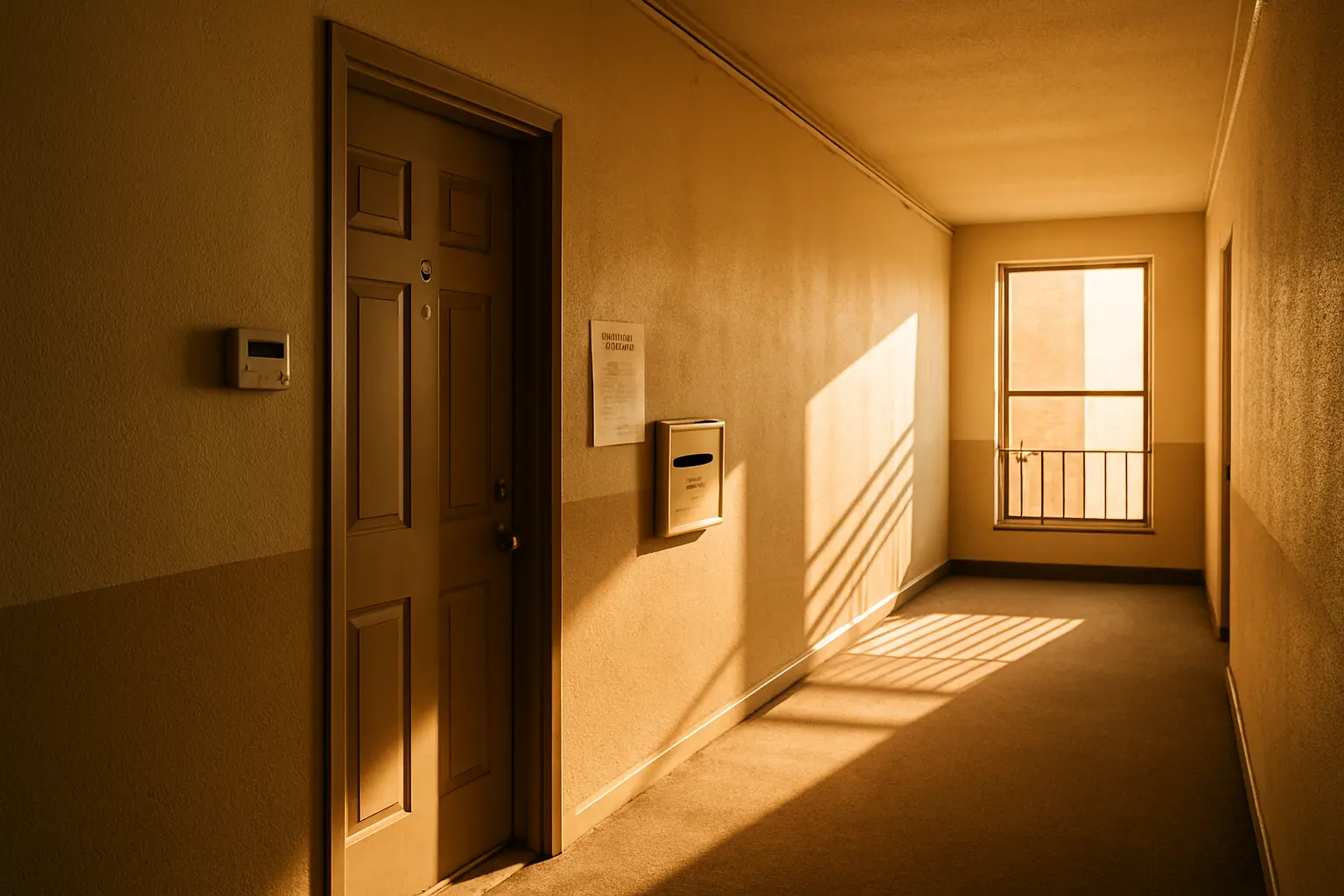

How to Handle Apartment Cooling Rules During a Heat Wave
The hallway feels cooler than your unit, the building AC seems weak, and the office keeps giving vague answers. For renters, a heat wave can turn a lease question into an everyday health and budget problem fast. The tricky part is that cooling rules are not the same everywhere. Some places have clear local requirements. Others rely more on lease language, general habitability standards, or emergency guidance.
That is why the smartest move is not arguing from memory or assuming every state requires air conditioning. It is checking the written rules that apply to your building, asking specific questions in writing, and pairing that with local relief options if the heat becomes unsafe. Federal housing guidance on extreme heat and renter protections can help frame the issue, while legal overviews of apartment cooling rights explain why state and city differences matter so much.
This approach is different from the site’s recent pieces on utility charges and lease add-on costs. Here, the focus is the cooling policy itself: what the building promised, what local rules may require, how to ask for action, and where to look for safe backup options if the apartment stays too hot.
Read the lease and building notices before you argue about the temperature
Your strongest first step is to find out whether the building actually promised cooling, set seasonal dates, or reserved the right to control when AC runs.
A renter usually gets farther with a highlighted lease clause and a dated email than with a front-desk argument about how hot the apartment feels.
Start with the documents you already have: the signed lease, any move-in packet, house rules, amenity notices, renewal paperwork, and recent emails from management. Look for every line that mentions central air, chilled air, seasonal cooling dates, thermostat control, repairs, windows, portable units, or utility responsibility. Some buildings promise air conditioning as part of the rent. Others only mention it as a building feature with limits on when it operates. In older properties, the lease may say little beyond repair procedures.
This matters because many buildings switch between heat and cooling on a seasonal schedule, especially large complexes with central systems. During early summer or unseasonably hot weeks, renters can get caught in the gap between weather reality and building policy. If the lease says cooling starts on a certain date, that date becomes important. If the lease says the landlord supplies AC, that promise matters too. If the lease is silent, local housing rules may matter more than building custom.
As you review the papers, make notes on:
- Whether AC is listed as included, optional, or not mentioned
- Whether the building controls the thermostat or switchover date
- What the repair request process requires
- Any ban or permission related to window or portable units
- Whether utility costs for cooling are paid by you or folded into rent
If your city posts tenant information online, check that too. For example, Chicago tenant guidance offers a local model of how city rules and renter remedies can interact. Even if you do not live there, it shows why official city pages are often more useful than generic advice.
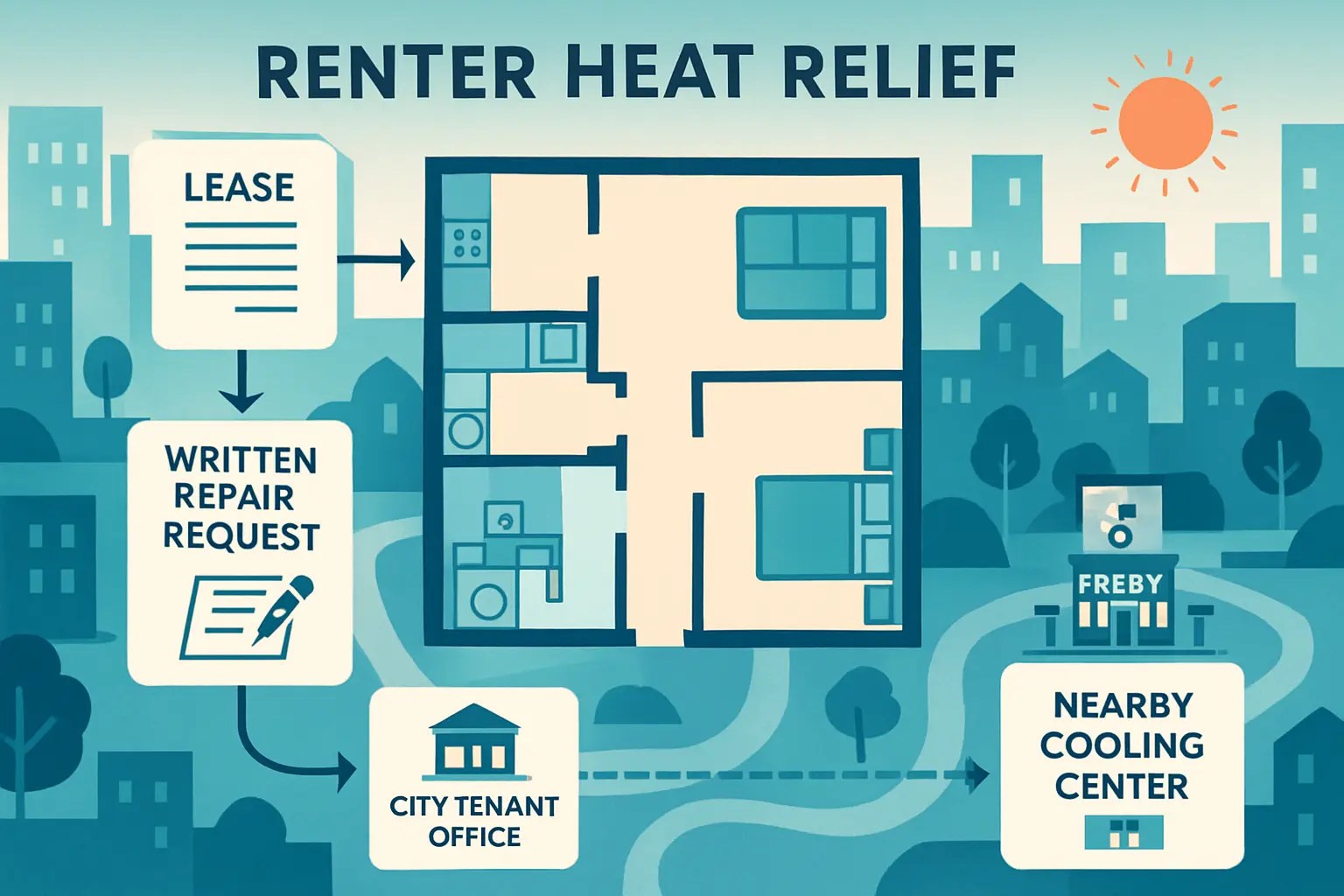
Ask the landlord focused questions instead of sending a general complaint
The goal is to make management respond to a clear problem with a clear record, not to give them room to reply with a vague reassurance.
Specific questions about equipment, dates, and repair timing usually produce better results than messages that simply say the unit is unbearable.
Once you know what your lease and notices say, send a short written message. Email is usually best because it creates a timestamped record. Include your unit number, the dates the problem occurred, what the thermostat shows if you have one, and whether the issue seems building-wide or limited to your apartment. If the central system is off, ask when cooling is scheduled to begin. If the AC is running but weak, ask whether maintenance can inspect it. If building policy blocks a window or portable unit, ask whether an exception is available during extreme heat.
Helpful questions include:
- Is the building’s cooling system operating now
- If not, when is the scheduled switchover date
- Has management received other complaints from nearby units
- Can maintenance inspect vents, filters, or the unit’s equipment
- Are portable or window units allowed temporarily during the heat event
- If not, what alternative cooling steps is management offering
If a landlord replies only by saying the building follows policy, ask them to point to the policy in writing. If they say the system is working as designed, ask whether they can document that an inspection was completed. This is not about picking a fight. It is about narrowing the issue. A central system delay, a broken unit, and a ban on renter-supplied AC each raise different next steps.
Keep the tone calm. Avoid legal threats unless you are ready to follow through with local help. The best paper trail is factual: dates, temperatures if known, responses received, and what remedy you requested.
Separate a comfort problem from a safety problem and know when local help matters
Some hot apartments are frustrating; others may reach a point where city code, health guidance, or emergency support becomes more relevant.
When indoor heat starts affecting sleep, breathing, medications, or the safety of children or older adults, it is time to think beyond routine maintenance.
Not every state or city has a simple maximum indoor temperature rule for rentals, and many do not require landlords to provide air conditioning at all unless it was promised or local law says otherwise. That is the core point in state-by-state cooling law overviews: renters often need to check the exact local standard rather than rely on broad assumptions. Still, even where AC is not explicitly required, extreme indoor heat can raise larger habitability and health questions, especially for vulnerable tenants.
That is where official health and housing sources help. HUD heat guidance for renters emphasizes the risk extreme heat can pose, especially for seniors, young children, and people with health conditions. Local health departments, 311 services, tenant hotlines, or code offices may tell you whether your city has cooling rules, emergency inspections, or temporary shelter options during a severe event.
Reach out sooner if:
- A child, older adult, or disabled person in the home is struggling with the heat
- Medication or medical equipment is affected by high indoor temperatures
- The landlord is ignoring repair requests completely
- The building bars personal cooling devices without offering alternatives
- You suspect the system has failed building-wide during an official heat emergency
In some areas, 211 or 311 can point you to tenant services, cooling locations, or health departments. If your city has published tenant protections during dangerous weather, use that official local page in your follow-up to management.
Use local cooling relief and low-cost backup options while the building issue is pending
Even if the landlord should act, renters still need a same-day plan when indoor heat becomes too much.
Relief does not always come from winning the argument first; sometimes it comes from finding safe places to cool down and keeping the power bill from exploding in the meantime.
If management is slow or the policy dispute drags on, make a practical backup plan. Cities often open cooling centers or extend hours at libraries, recreation centers, and public buildings during heat alerts. Households with tight budgets may also want to check whether local utilities or agencies offer summer energy aid, crisis cooling help, or payment arrangements. These will not solve a building policy problem directly, but they may help you stay safe and avoid a utility spiral if you have to run fans or a temporary unit more than expected.
Start with:
- Your city’s emergency management or public health page for cooling sites
- 211 for nearby heat relief and community resources
- Your utility’s assistance page if higher electric use will strain the budget
- Neighbors or family for a short-term place to cool off during the hottest hours
- Approved portable cooling methods if your lease allows them
It can also help to ask the landlord a practical question many renters skip: if the central system is delayed or broken, will management provide temporary equipment or relax portable-unit restrictions? The answer may be no, but asking creates a record that you requested a reasonable workaround.
For renters in buildings with strict equipment rules, do not install a window unit or vented portable unit without checking first. A lease violation can complicate the bigger complaint. When possible, request permission in writing.
Build a short documentation file in case the issue turns into a formal dispute
Good records turn a miserable week into a provable pattern if you need tenant help, code enforcement, or legal aid later.
Photos, emails, service requests, and dated notes often matter more than trying to recreate the story after the heat wave has passed.
If the problem keeps repeating, organize your records now. Save your lease pages, screenshots of emails, maintenance requests, and any building-wide notices about cooling dates or system issues. If your thermostat displays the temperature, photograph it with the date visible. If the issue affects work, sleep, or health, write down those impacts briefly and factually. If you leave the unit to cool down elsewhere or buy temporary supplies, keep receipts.
Your file should include:
- The lease section about AC or repairs
- Every written request you sent to management
- Each reply or lack of reply
- Dates and times when cooling failed or was unavailable
- Photos of thermostat readings or relevant notices
- Contact information for local tenant support or code offices you called
This kind of file helps if you need to speak with legal aid, a tenant union, a city inspector, or a housing hotline. It also helps if the landlord later claims the issue was brief, isolated, or never reported.
The bigger point is reassuring: renters are not powerless when cooling policies stop making sense during dangerous weather. The best path is usually written, local, and organized. Read the lease, ask specific questions, use city and health resources, and document the pattern before the next hot spell hits.
If your apartment is overheating this week, check your building rules and local relief options today so you can see which protections, repairs, or cooling support may fit your situation now.