
Use Your Library Card for Summer Savings Beyond Books
A family heads to the library for a reading log, then finds out the same card may unlock kids’ activities, laptop loans, Wi-Fi access, museum deals, and even neighborhood business discounts. That is the real summer opportunity many people miss. Public libraries are still one of the easiest places to look for low-cost ways to keep kids busy, stretch a household budget, and fill technology gaps without signing up for another monthly bill.
This topic stands apart from recent cost-stress articles because it is less about fixing a financial emergency and more about spotting overlooked value already sitting nearby. Many library systems now combine summer learning with practical extras: event calendars, job-readiness help for teens, device lending, and local pass or discount programs. The details vary by city and county, so the smartest move is to check your own branch’s current offerings instead of assuming the card only covers books.
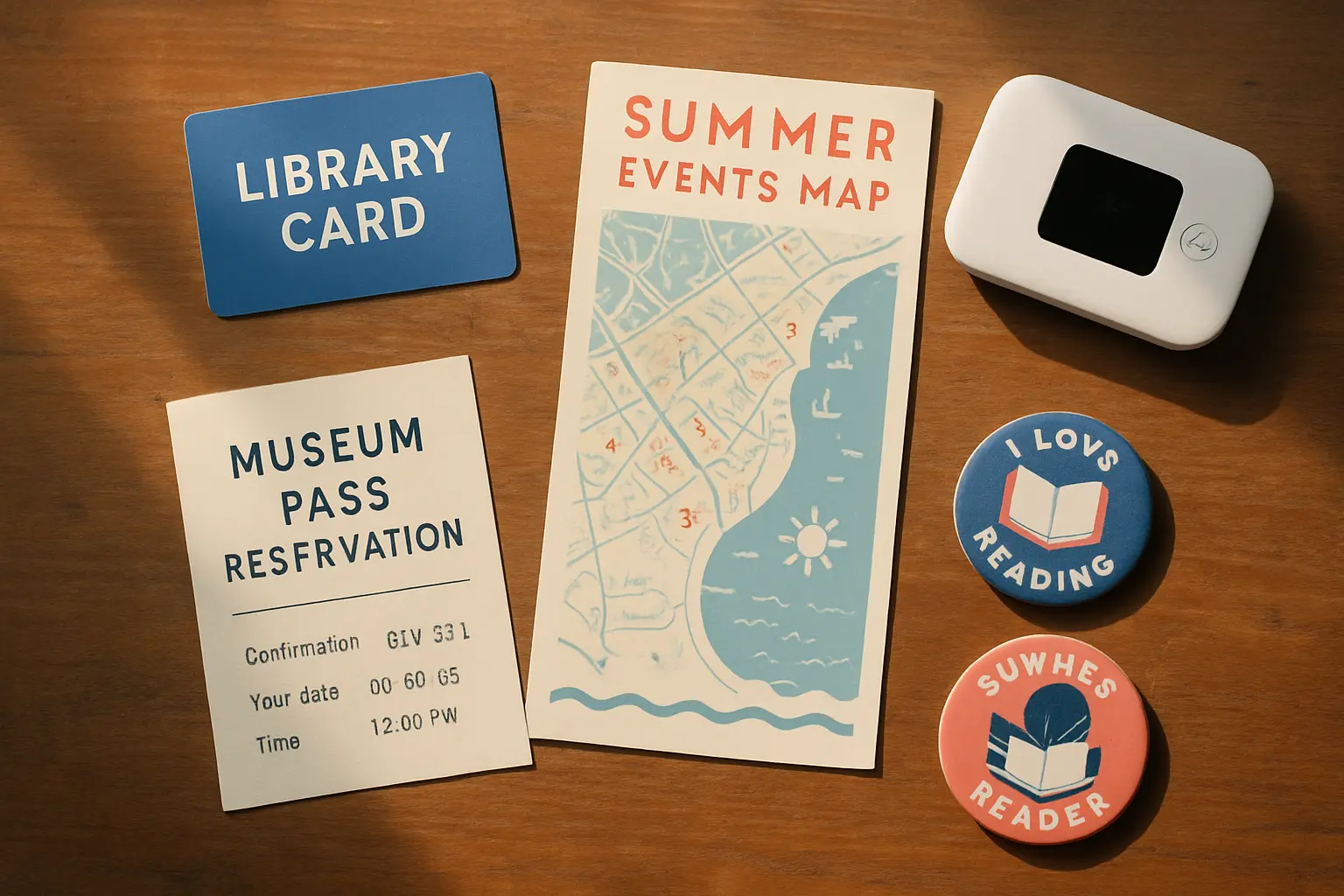
Recent 2026 examples show how broad these benefits can be. summer library events in Chicago include thousands of activities across neighborhoods. summer learning programs in San Francisco include reading, STEM, nature, and teen workforce-oriented opportunities. Some systems also connect cardholders to local business discounts or attraction passes. In short, one library card can sometimes stack into several kinds of summer savings at once.
Start with the summer program page, not the catalog
The quickest win is usually hiding on the library’s summer page rather than in the standard search bar.
Many households think of the library as a borrowing stop, but the summer schedule is often where the most budget-friendly extras actually appear.
When people check only for books, they can miss the bigger seasonal package. Library systems often create separate summer hubs for reading challenges, craft sessions, author talks, family movie afternoons, teen workshops, and hands-on science programs. These events can replace some paid entertainment and help parents avoid the constant search for affordable things to do when school is out.
For 2026, community summer activities through Anythink Libraries run from June through late July and include hands-on experiences for multiple age groups. The seasonal discovery program in Youngstown and Mahoning County also highlights reading activities and educational events for all ages. Meanwhile, reading challenge details at Glenview Public Library include rewards and drawings for younger participants.
That matters because these programs are not only about reading minutes. They can lower spending on camps, paid classes, and weekend outings. Some branches also include small prizes, badge systems, or completion rewards that make the program easier for children to stick with. If your household is juggling childcare and entertainment costs, that can add up fast.
Check these sections on your library website first:
- Summer activities or seasonal reading page
- Kids and teen events calendar
- Registration or sign-up forms
- Prize or challenge details
- Family workshop listings
A quick branch search can reveal far more than shelf access, especially in June, July, and early August.
Tech access may be the most valuable perk of all
For some households, borrowed internet or devices can matter more than any summer prize.
A library benefit becomes a financial one the moment it helps a family avoid buying data, replacing a computer early, or losing access to school and job tasks.
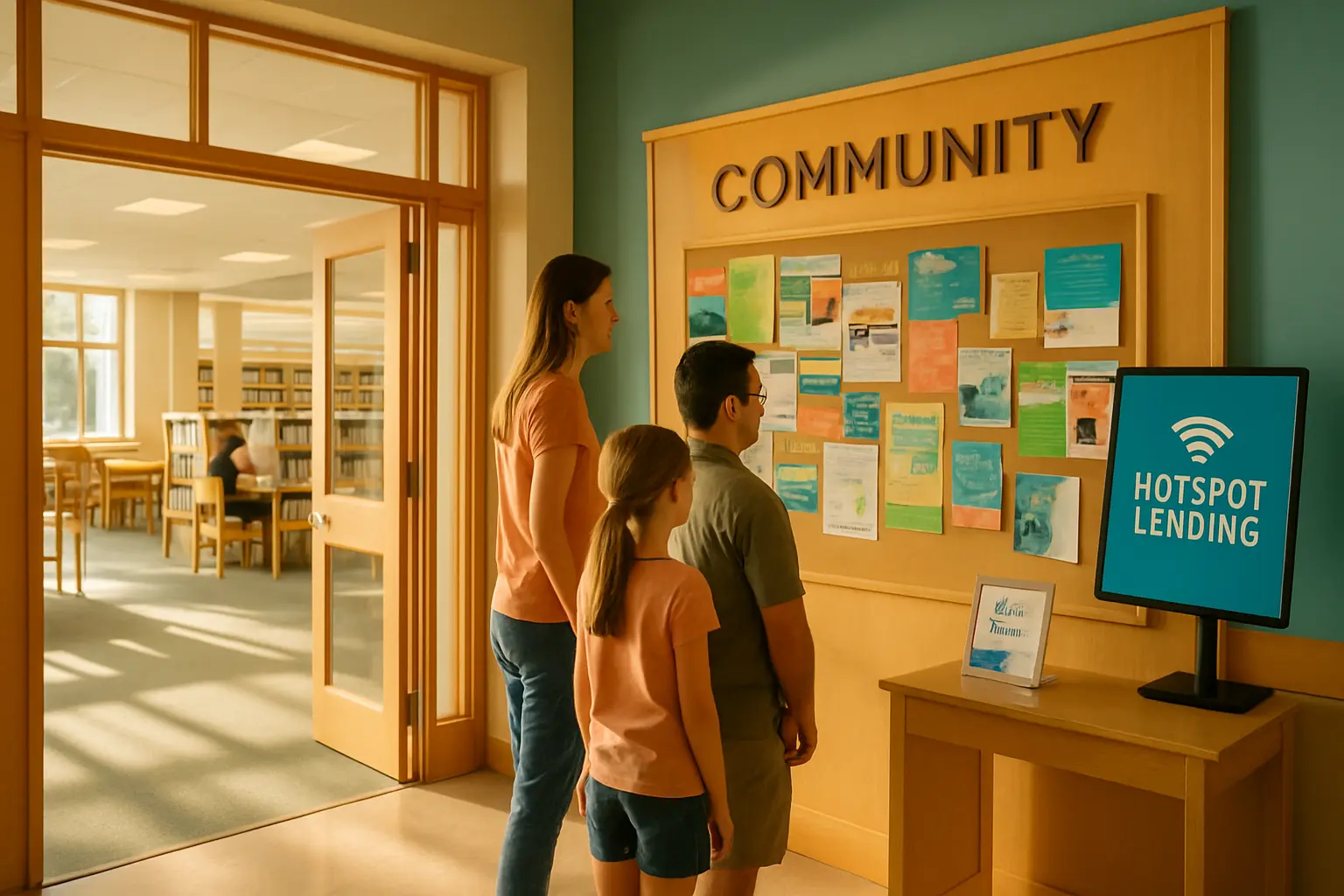
Not every family needs another story hour. Some need a working laptop, a hotspot, a printer, or reliable internet for job applications, school assignments, benefits paperwork, and telehealth. Libraries have become a practical bridge for those needs, especially in summer when students lose access to school resources and more people are traveling between jobs, childcare, and temporary housing setups.
One 2026 example comes from library device assistance in Cambridge, where eligible patrons can access refurbished laptops and mobile Wi-Fi through a local technology inclusion effort. Exact rules differ by system, but many libraries now offer some mix of hotspot lending, public computers, printer access, charging stations, and tech help desks.
This kind of support can be especially useful for:
- Parents helping children with summer assignments
- Teens completing job applications
- Adults handling benefits renewals or job searches
- Seniors learning video visits or online account tools
- Households with one shared device and too many users
Before paying for a short-term solution, look at your branch’s services page for hotspot lending, laptop borrowing, device classes, or basic tech appointments. Ask about waiting lists, time limits, age requirements, and whether you need a full card or just a guest pass. In some places, using library Wi-Fi regularly can also reduce pressure on a home data plan during the hottest and busiest months of the year.
Local pass and discount programs can stretch a card far past the building
A library card may also work like a small community discount card if your area partners with local attractions or businesses.
Some of the most surprising library benefits begin after you walk back out the door, especially when local partners want to reward cardholders.
This is one of the easiest perks to miss because it is often tucked inside a services menu instead of the main homepage. Yet some libraries now offer card-linked discounts at nearby businesses, museums, parks, and family attractions. For budget-conscious households, that can turn a simple library visit into a lower-cost day trip or neighborhood outing.
In Georgia, the cardholder discount program in Cobb County offers participating business discounts for members. In Michigan, the activity pass access highlighted by Hackley Public Library points users toward statewide attraction savings. Reporting on the statewide family pass network notes hundreds of partner discounts at recreation and cultural sites. In Lansing, a separate local partnership highlighted through community discount offers links shoppers with neighborhood deals.
These programs differ a lot. Some offer a straight price cut. Others offer admission deals, printable passes, or online reservation systems. Because of that, ask specific questions before making plans:
- Does the discount require advance booking?
- Is it limited to residents or full cardholders?
- Does it work once, seasonally, or year-round?
- Are blackout dates or age limits involved?
If your library has a perks page, save it. It may become one of the most useful summer links in your phone.
Teens and adults can often find more than entertainment
Summer library benefits are often practical for work and learning, not just recreation.
Libraries can help a teenager build a resume or help an adult look for work just as easily as they can host a children’s craft hour.
It is easy to think of summer library programming as mainly for younger kids, but that leaves out a major share of the value. Many systems now include workshops tied to workforce skills, study support, digital literacy, and teen engagement that can lower the need for paid classes or software subscriptions.
San Francisco’s summer teen opportunities specifically include elements tied to workforce development along with reading and STEM activities. Chicago’s broad citywide library schedule also shows how large systems can turn summer into a mix of culture, skills, and community access for all ages.
That creates a smart summer path for:
- Teens who need structured activities without high fees
- Students who want volunteer or participation experience
- Adults needing computer basics or job-search help
- Caregivers looking for free educational outings
- Older adults wanting in-person technology support
Look for classes and services using terms like career help, digital skills, resume lab, teen advisory, maker workshop, language learning, or community resource desk. Some branches also partner with outside groups for financial education, tutoring, or social service navigation. Those programs will not exist everywhere, but they are common enough that they are worth checking before paying for private alternatives.
How to build a one-week library savings plan
The best way to use these perks is to stack them intentionally instead of discovering them one by one too late.
A library card usually saves the most money when a household treats it as a planning tool, not just a place to visit when rain ruins the afternoon.
Start with one practical hour this week. Pull up your local library site, find the summer page, and check for four separate categories: activities, tech access, discount programs, and teen or adult services. Then match those options to what your household actually needs this month.
Try this simple checklist:
- Sign up for a summer reading or activity challenge
- Check whether hotspots, laptops, or printer access are available
- Search for museum, park, or business partner discounts
- Review teen job-skill or learning events
- Ask whether digital cards or nonresident rules apply
- Save links, reservation rules, and event dates in one note
If you do not yet have a card, your branch may offer online registration, guest passes, or a simple path to start. If you already have one, ask staff directly what people most often overlook in summer. That question alone can uncover services hidden three clicks deep on the website.
No library card guarantees the same perks everywhere. But many households will find more value than expected once they stop looking only for books and start looking for savings, access, and local extras. Check what your branch offers today, and you may find a few summer benefits worth using before the season slips by.