

Check These Summer Library and City Perks Before the Heat Peaks
The easiest summer savings are often the ones hiding in places people already use. A library card, a parks department page, or a city alert system can open the door to museum entry, swim sessions, family events, and cool indoor spaces without adding much to the budget. When temperatures rise, these local perks can matter just as much as a coupon because they lower both outing costs and heat-related stress.
This topic takes a different route from recent utility and bill-focused pieces. The goal here is not reading a rate plan or applying for one big aid program. It is spotting overlooked summer freebies and low-cost services that libraries, recreation departments, and local agencies may already offer. Some are aimed at families with children. Others are useful for older adults, workers, or anyone trying to stay comfortable without overspending.
Rules vary by city, county, and library system. Some programs are open to everyone. Others require a library card, residency, advance booking, or age-based eligibility. The good news is that a short local search can uncover more options than many households expect.
Library cards can unlock more than books during the hottest months
A public library may be one of the most practical summer savings tools in your wallet.
Many people think of libraries as indoor reading spaces, but summer programs often extend into attraction access, family events, cooling space, and skill-building activities.
Start with your library system’s summer page, not just the catalog. Many branches run reading challenges, children’s activities, teen programs, maker events, movie afternoons, and giveaway calendars during warm-weather months. Some also offer passes or discounted admission options for museums and cultural sites. A good national starting point for broader planning is the free museum days guide, then compare that with your branch’s own reservation system or pass list.
Large systems such as summer reading at NYPL and summer reading at Los Angeles Public Library show how broad these programs can be, with activities for multiple age groups rather than children alone. Even when your local branch is smaller, it may still offer craft sessions, prize-based reading logs, homework help, public computers, and free indoor time away from the heat.
Look for these library-based benefits:
- Museum or attraction pass checkout
- Free children’s or teen summer reading programs
- Story times, game afternoons, and family events
- Air-conditioned seating, Wi-Fi, and computer access
- Community bulletin boards listing nearby summer help
It is smart to ask the branch directly what needs registration. Some passes book up quickly, and some events have age or capacity limits. A five-minute call can save a wasted trip.
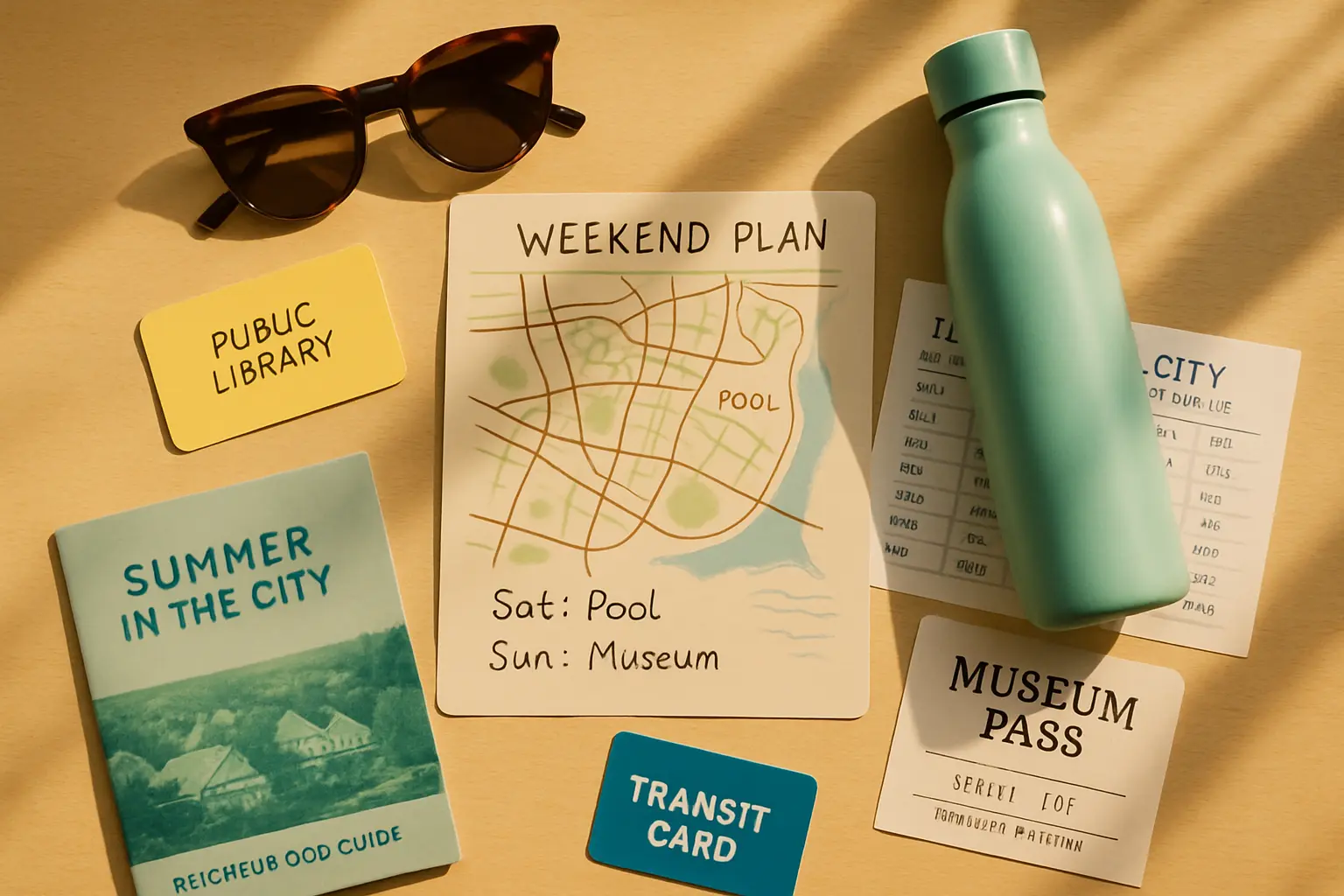
City and county recreation pages often hide no-cost ways to cool off
Local government summer pages can reveal free activities that never show up in big national roundups.
When the weather turns brutal, city-run recreation programs can be just as valuable as direct bill assistance because they create safe, low-cost places to spend the day.
Many families search for “things to do” but skip official city and county sites. That is a mistake, especially in summer. Parks and recreation departments often post open gym times, splash pad lists, free concerts, youth activity calendars, neighborhood festivals, and reduced-cost pool access. Some cities also promote special summer schedules through a single seasonal page rather than on each facility listing.
Examples from major cities show the pattern. You can review Chicago summer offerings, San Diego recreation activities, Boston seasonal events, Nashville community programs, and Philadelphia parks options for a sense of how broad local listings can be.
Common perks worth checking:
- Free swim hours or youth swim lessons
- Neighborhood splash pads and spraygrounds
- Outdoor movies and concerts in the park
- Summer camps with fee waivers or reduced rates
- Play streets, pop-up recreation, or supervised teen spaces
Pay attention to residency rules. Some programs are free only for residents or require a municipal recreation account. Others are first come, first served, especially pool and camp activities.
Cooling centers and indoor public spaces can reduce both risk and spending
Knowing where to cool down ahead of a heat wave can help you avoid a miserable and expensive day.
Public cooling spaces are not just emergency resources for extreme situations; they can also be practical relief for people trying to manage summer heat safely.
When temperatures spike, local governments, libraries, senior centers, and community buildings may open cooling centers or extend public indoor access. These sites can be useful for older adults, people with health conditions, families with children, and anyone in a home that gets dangerously hot. Even if your air conditioner works, a cooling site can help lower all-day electricity use if the home would otherwise stay chilled from morning to night.
A broad place to begin is the cooling center directory. Then verify hours through your city, county, or emergency management office, because local schedules can change quickly during heat advisories. Some areas publish maps, while others list centers by ZIP code, library branch, or community center name.
Check for these details before heading out:
- Opening hours and weekend availability
- Whether children must be accompanied
- Transit access or shuttle support
- Pet rules
- Whether water, charging outlets, or seating are available
Libraries often overlap with this category, which makes them especially valuable in summer. A branch can serve as reading space, computer access point, family activity stop, and heat relief site all at once. If your city sends heat alerts, sign up now rather than waiting for a warning day.
Free museum days and local passes can replace pricier weekend plans
Summer outings cost less when you build them around community access dates instead of standard ticket prices.
A no-cost museum trip can do more for a summer budget than a small discount code, especially when a whole family is going.
One overlooked way to cut summer spending is replacing one or two paid outings with community access days. The national state-by-state museum guide is a helpful starting point, but the real value comes from combining that information with library passes and local resident programs. Some museums have monthly free days, some have evening hours with no admission charge, and some waive entry during seasonal community events.
This is worth checking even if your household is not museum-focused. A free cultural outing can substitute for an expensive indoor activity on a very hot weekend. If the venue is air-conditioned, near transit, or close to other free attractions, the savings stack up quickly.
Before you go, confirm:
- Whether timed reservations are still required
- If special exhibits cost extra
- Whether parking is free or paid
- How many people a library pass admits
- Whether resident ID is needed
It can also help to pair a museum outing with a library stop, splash pad visit, or city event the same day. That turns one free-admission perk into a fuller low-cost plan instead of a short stop that still leads to expensive backup entertainment later.
A short local checklist can uncover the summer perks most people miss
The fastest way to find useful hot-weather freebies is to search by local system, not by generic national phrases.
The best hidden perk is usually the one attached to your own ZIP code, because local programs are often designed for residents who know where to look.
If you want results quickly, keep the search process simple. Start with your public library, then your city or county parks department, then your local emergency management or public health page. Search each one for summer events, cooling information, free swim, passes, youth recreation, and resident benefits.
Use a practical checklist:
- Check your library’s summer events and pass pages
- Search your city recreation department for free seasonal programs
- Look up cooling centers before the next heat alert
- Review free museum days in your state and metro area
- Ask about discounted pools, camps, and resident recreation cards
- Save screenshots or bookmarks for the best options
If your household budget is already tight, these local perks can reduce pressure in indirect but real ways. A free indoor outing, a no-cost swim session, or a nearby cooling spot may not show up as a direct cash payment, but it can cut spending on entertainment, transportation, and electricity-heavy days at home.
Summer support is not always labeled as aid. Sometimes it looks like a library pass, a recreation calendar, or an air-conditioned building with a public welcome sign. Check what applies in your area today and see which local options fit your household before the hottest stretch arrives.