

Find Local Summer Workout Deals Without Paying Gym Prices
A Saturday yoga class in the park, a dance session downtown, or a weekday strength workout by the water can cost nothing at all in some cities during summer. That makes local summer fitness programs worth checking before paying full gym or studio prices. Unlike the site’s recent local-perks piece, this one focuses on one narrow savings angle: using city, park, and nonprofit wellness schedules to cut workout costs without locking into a membership.
Plenty of these opportunities are real in 2026. Baltimore’s waterfront fitness schedule lists no-cost classes running from May into October. South Bend’s downtown workout series highlights weekly outdoor sessions. Grand Rapids posts a city parks exercise lineup, Worcester has a seasonal park class program, Boston offers a parks exercise calendar, Brooklyn hosts park-based Pilates and more, and Colorado communities like Castle Rock and Lakewood post similar free options.
The catch is simple: these classes are local, seasonal, and sometimes easy to miss. A quick search in the right places can uncover options that lower exercise costs for adults, families, older residents, and beginners who do not want a pricey commitment.
Where these summer fitness deals usually hide
The cheapest workout option is often posted by a parks department or downtown group, not a gym chain.
Many people search for discount studios first, even though city and nonprofit summer programs may already offer guided classes at little or no cost.
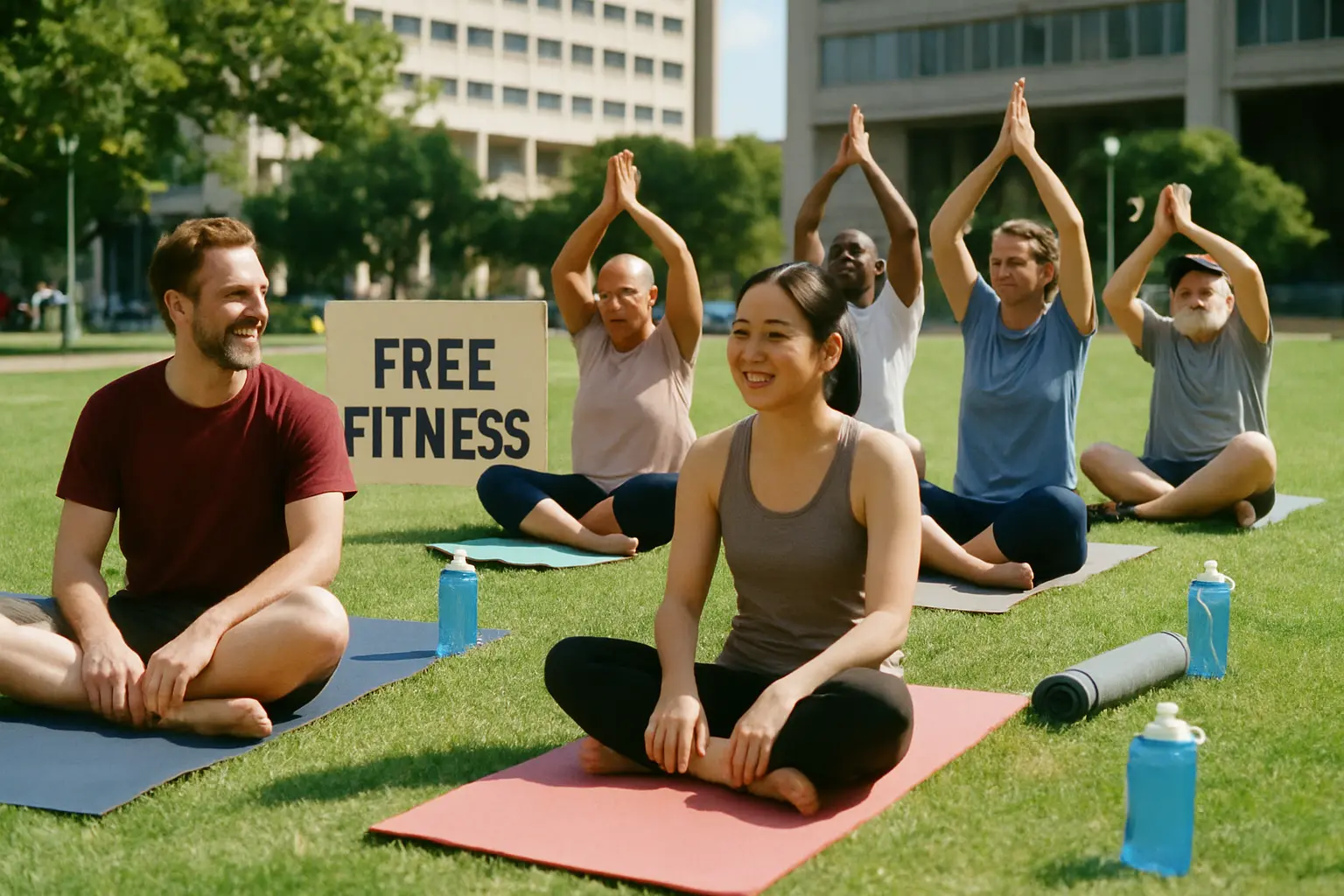
Start with official local sources instead of broad fitness apps. City parks departments, waterfront groups, business improvement districts, and recreation offices often run seasonal classes to draw residents into public spaces. These events are commonly held on lawns, plazas, riverwalks, and neighborhood parks, especially from late spring through August or September.
The formats vary more than many people expect. You might see yoga, Pilates, Zumba, mobility classes, bootcamp-style workouts, stretching sessions, or general group fitness. Some are led by local instructors or studios using the series as community outreach. Others are fully city-run. In several of the current examples, the classes are advertised as open to broad skill levels rather than advanced athletes only.
Useful search terms include:
- Your city name plus “summer fitness”
- Your parks department plus “outdoor exercise”
- Downtown district plus “wellness”
- Your ZIP code plus “free yoga in park”
- Your county recreation page plus “group exercise”
That local-first search pattern matters because national roundups often miss neighborhood schedules, rain policies, and sign-up rules. The official page is usually the only place showing the current time, location, and whether you need a waiver or registration.
What kinds of people can use them most easily
These programs often work best for people who want structure without a monthly contract.
A public class can be a practical middle ground between exercising alone and paying full boutique-studio prices all summer.
Local summer exercise series are especially useful for people who need low-cost accountability. A beginner may want an instructor and a set class time. A parent may want a morning option before the day gets busy. Someone easing back into exercise may prefer a drop-in class instead of a 12-month gym plan. Retirees and older adults may also find park-based movement sessions more approachable than crowded indoor spaces, depending on the format.
Another advantage is flexibility. Many of these programs are weekly or recurring, but they do not always require a paid membership. That means a household can try a few classes, figure out what fits, and avoid spending on a program that goes unused. If one city series offers Saturday yoga and another nearby district offers weekday dance fitness, you may be able to piece together a low-cost routine from public options alone.
That said, availability can vary. Some classes are open to all ages, while others target adults only. Some require participants to bring a mat, water, or signed waiver. Others limit class size. A few may favor residents or ask for advance sign-up even when the class itself is free.
Before making plans, check:
- Age guidelines
- Fitness level notes
- Equipment to bring
- Whether registration is required
- How weather cancellations are announced
These details are what turn a promising free event into something you can actually use.
How to compare free classes with low-cost rec options
If the no-cost class is not a fit, a city recreation pass may still be cheaper than a private studio.
Saving money on fitness is not only about finding a zero-dollar class; sometimes the better value is a modestly priced local program with steadier access.
Not every community offers enough free classes to cover your whole routine. When that happens, look one step deeper into municipal recreation listings. Parks and rec departments often run low-fee indoor fitness, senior exercise, lap swim, walking clubs, or community-center classes that cost far less than private options. While the examples provided here highlight free outdoor series, the same local offices often manage discounted paid offerings nearby.
This is where comparison matters. A single boutique class might cost more than a week or even a month of local rec participation. If summer heat, schedule changes, or transportation make outdoor sessions unreliable, a recreation center class with a small fee may be the better budget choice. Some systems also offer resident discounts, punch cards, scholarships, or older-adult rates.
Ask these questions when comparing options:
- Is the free series frequent enough to replace your paid workouts?
- Would a rec-center pass give better consistency?
- Are resident rates much lower than nonresident rates?
- Is there a senior, student, or low-income discount?
- Do weather cancellations make outdoor classes too uncertain for your needs?
Even if you ultimately pay something, using local programs can still trim a big chunk off summer fitness spending. The goal is not perfection. It is spending less while staying active in a way you will keep using.
What to watch before you show up
The biggest mistake is assuming a posted class is a guaranteed class.
Outdoor workout schedules can change quickly because of storms, heat, instructor availability, or capacity limits, so checking the latest update matters.
Public classes are convenient, but they come with fine print. Weather is the obvious factor. Rain, poor air quality, high heat, or unsafe ground conditions can cancel a session with little notice. Some organizers move classes indoors, but many simply post a same-day update on the event page or social media. That is why it helps to verify the status before leaving home.
Arrival and setup details also matter more than people expect. A 9 a.m. park class may ask participants to check in 15 minutes early, bring a yoga mat, carry water, or sign a waiver. Parking may be limited. A downtown plaza workout may be close to transit but not have much shade. A waterfront class may be breezy and cooler than expected. These are small details, but they affect whether the outing stays easy and affordable.
Use a quick pre-class checklist:
- Confirm the class is still on
- Check whether you must register online
- Bring the required gear only
- Pack water and sun protection
- Review parking or transit before you go
- Save the organizer’s cancellation page
If the class is popular, arriving early can matter too. A free event that fills up fast may still be worth using, but only if you know that ahead of time.
A simple local search plan for this week
You can usually find the best nearby summer exercise options in one short search session.
The easiest savings often come from checking your own city’s event pages before paying for another month of classes elsewhere.
Keep the process simple. Open your city parks page, your county recreation page, and your downtown or waterfront event calendar. Search each one for summer fitness, yoga, Pilates, dance, group exercise, or wellness. Then check whether nearby cities also allow nonresidents at outdoor classes. In some areas, the closest useful program may be one town over.
A smart search order looks like this:
- City parks and recreation website
- Downtown district or waterfront organization
- Community-center events calendar
- County recreation page
- Nearby city summer event pages
Save the best options to your phone with class times, locations, and registration links. If you find two or three promising series, compare them against your actual week instead of collecting too many maybes. One steady class you attend is worth more than five bookmarked pages you never use.
Summer exercise support does not always come in the form of insurance perks or expensive memberships. Sometimes it looks like a park lawn, a city calendar, and a local instructor leading a class that costs far less than you expected. Check what your area is offering now and see which wellness programs fit your schedule before summer fills up.