
Need a Cool Place Fast This Summer? Find Local Heat Relief Nearby
When the temperature shoots up, the cheapest way to stay safe is often not buying another fan or running the air all day. It is knowing where your community already offers cool indoor space, water play, and heat relief. Many cities, counties, and local groups open public places during dangerous weather, but those options can be easy to miss until the hottest day has already arrived.
This topic overlaps slightly with earlier coverage of library perks and city resources, but the focus here is narrower and more urgent. The goal is not planning a fun outing. It is finding same-day no-cost places and local heat support when home feels too hot, power costs are climbing, or a heat advisory puts your household at risk.
National safety guidance from the heat safety page, the extreme heat guide, and the heat wave safety resource all point to the same practical idea: find cooler space early, not after symptoms start. 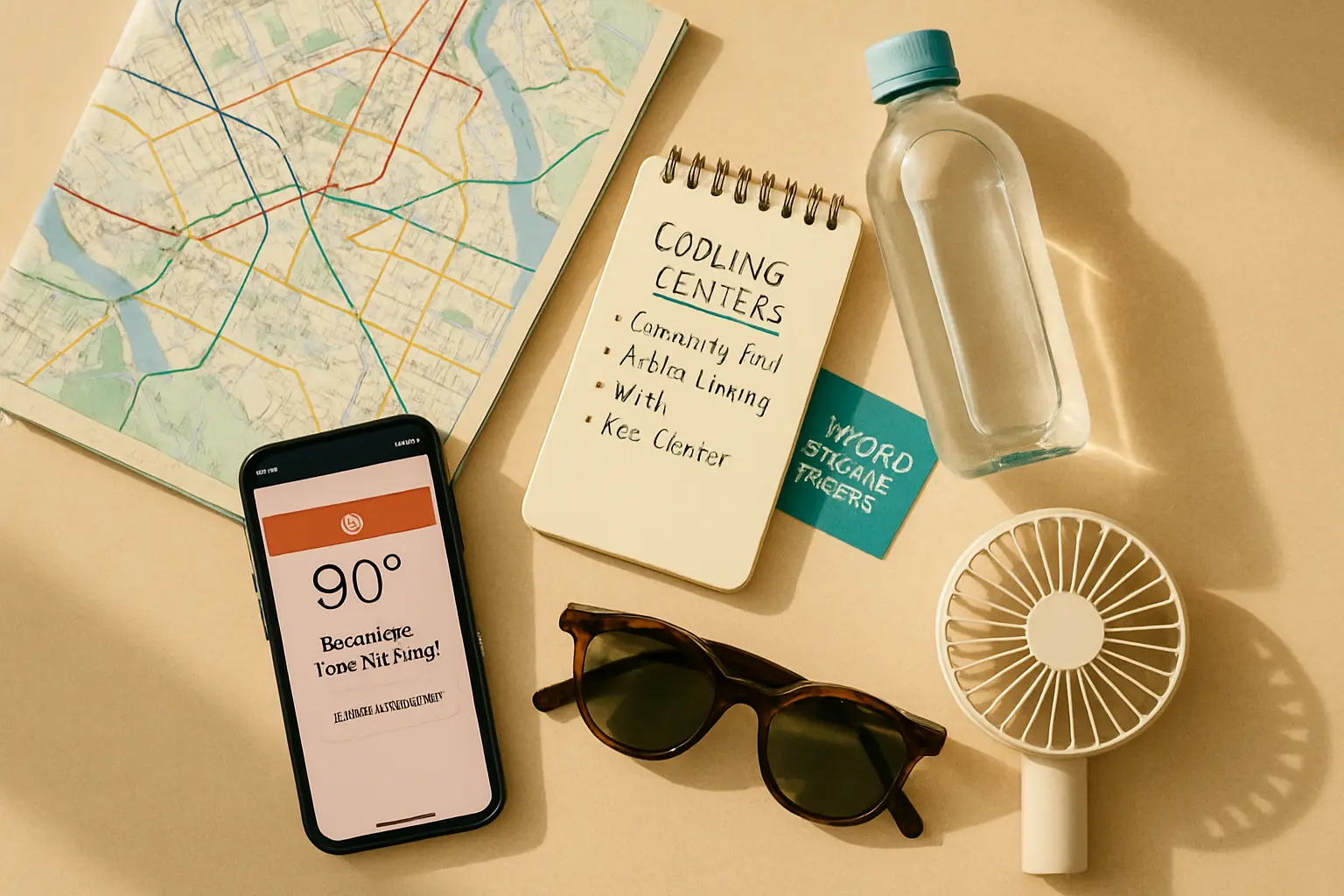
Start with the places your city is most likely to open first
Public cooling help often begins with buildings your town already operates.
If a heat alert is active, the fastest answer is usually on a city or county website, not in a general internet search result.
Cooling sites are often created through existing public buildings rather than special new facilities. That means the best first checks are usually your city hall alerts page, county emergency management page, public health department, parks and recreation office, and public library system. In many areas, these pages list temporary cool rooms, extended building hours, splash pads, pools, and community centers that welcome residents during severe heat.
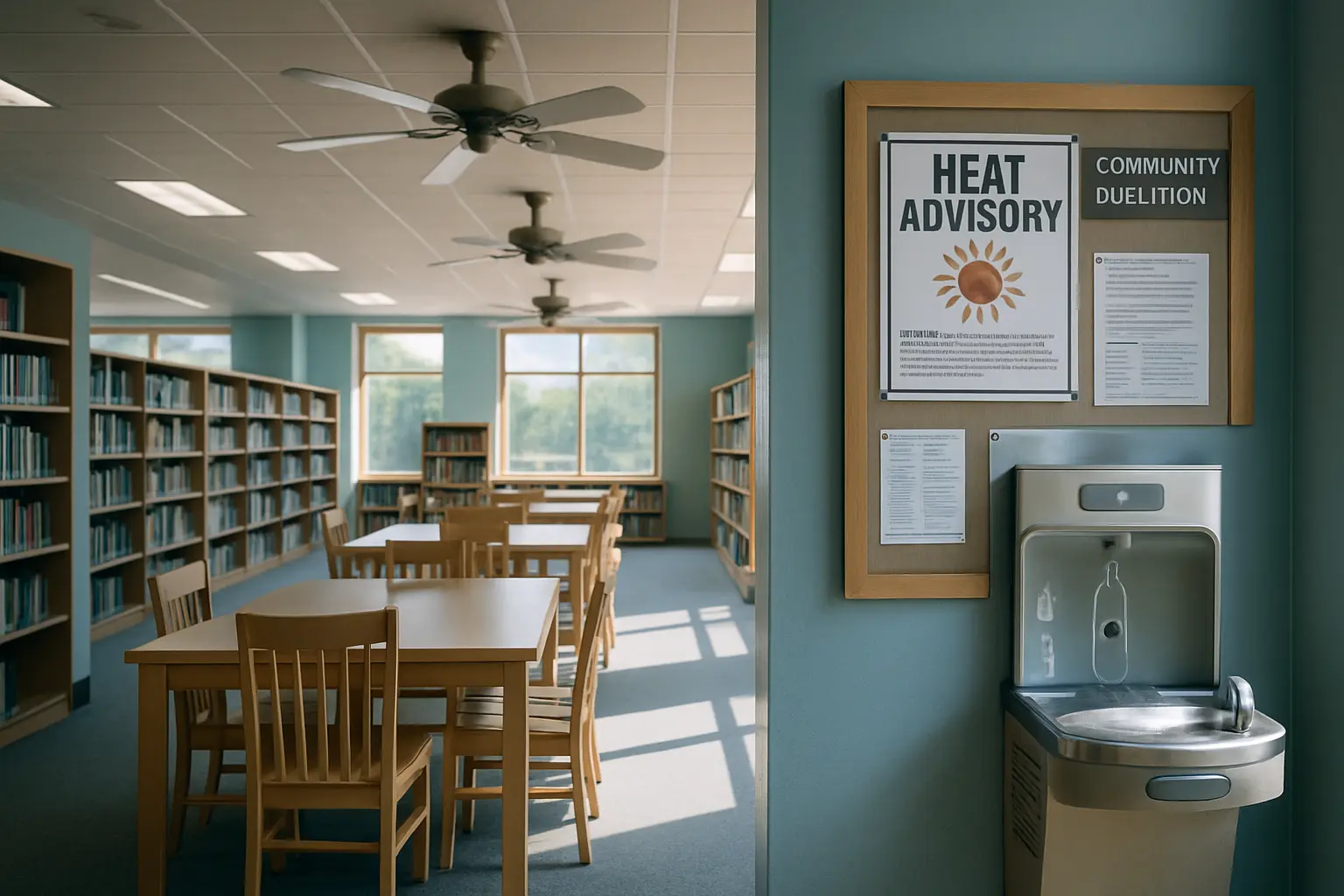
Libraries deserve special attention. They are easy to overlook because people think of them as quiet reading spaces, not hot-weather support. But many branches serve as practical daytime shelters from heat, with seating, bathrooms, water fountains, device charging, and air conditioning. Some cities also use senior centers or neighborhood recreation buildings the same way.
A quick local search usually works best when it is specific. Try phrases such as:
- your city name plus “cooling center”
- your county name plus “heat relief”
- your town name plus “extreme heat locations”
- your library system plus “heat advisory hours”
- your parks department plus “splash pad”
If you find a location, check the details before leaving home. Hours can change by day, and some sites only open when a heat advisory or excessive heat warning is active. Others are open daily but extend hours only during the worst conditions. A posted map is helpful, but a quick phone call can save a wasted trip.
Also look for transit notes. A cool indoor place is less useful if getting there safely is difficult. Some local announcements include bus routes, shuttle help, or walk-in rules that make the trip easier.
Look beyond cooling centers to free places that still lower risk
Not every safe heat-relief spot will be labeled with the same official term.
A building does not need a giant “cooling center” banner to be a smart place to recover from dangerous heat.
Some communities formally name cooling centers. Others simply point residents to public places that stay cool. That can include libraries, malls, senior centers, indoor community rooms, museums with no admission on certain days, public lobbies, and city-run recreation spaces. The practical question is not what the building is called. It is whether it is open, air-conditioned, and available to the public during hot hours.
For families with children, water-based options may help too. Splash pads, spraygrounds, public pools, and shaded park features can reduce heat strain if they are nearby and safe to access. These are not replacements for indoor cooling during extreme conditions, but they can be helpful for short relief, especially in the morning.
Keep these categories in mind when your search comes up thin:
- Public libraries
- Community recreation centers
- Senior or multipurpose centers
- Municipal pools and splash pads
- County or city health department sites
- Faith-based community buildings that announce heat hours
Here is the catch: public space is not one-size-fits-all. A parent with young children may need restrooms, seating, and a place to spend several hours. An older adult may need shorter walking distances and easy drop-off access. Someone who relies on medical devices may care more about outlets and reliable indoor air.
That is why it helps to make a short personal checklist before the next very hot day. Think about transportation, water access, bathroom access, seating, and whether you can stay long enough to cool down safely. If a location works well once, save it in your phone for later. Heat emergencies are easier to handle when the answer is already mapped out.
Use heat alerts and official updates before you need to leave home
The safest plan is to track dangerous weather before your home starts feeling unbearable.
Heat becomes more dangerous when people wait for dizziness, nausea, or exhaustion before looking for help.
Official heat notices are useful because they often trigger the local response. The National Weather Service heat page explains the difference between major heat conditions and offers practical safety tips, while the CDC resource explains who faces higher risk, including older adults, infants, people with chronic conditions, and those without dependable cooling at home.
In practical terms, that means a city may not open extra spaces every warm day. The bigger response often starts when a heat advisory, excessive heat watch, or warning is issued. If your local government offers text alerts, email notifications, or app updates, sign up before the next hot stretch begins.
This is especially important if someone in the household:
- Is over 65
- Uses medications affected by heat
- Has heart, lung, or kidney conditions
- Is pregnant
- Is very young
- Works outdoors or returns home to a hot apartment
Official updates can also tell you when not to rely on the usual routine. A place that is normally open may close for maintenance, shorten hours, or change access rules. On the other hand, a city may add temporary sites that are not available during the rest of the summer.
If you live in an apartment building, check with management too. Some larger complexes post cooling room information, lobby access, or community room hours during heat events. That may not replace a public center, but it could reduce risk quickly if getting outside is hard.
And if home cooling is failing, do not wait until evening to ask for help. Early action gives you more travel options, more open locations, and more time to avoid heat illness.
Make a quick same-day plan if cooling costs or outages are part of the problem
Sometimes the goal is not only comfort but buying time when the home is too expensive or too unsafe to cool.
Free heat relief matters most when it keeps a rough day from becoming a medical problem or a power bill crisis.
For some households, the issue is not just weather. It is a broken air conditioner, an apartment that traps heat, a power outage, or an electric bill that cannot support nonstop cooling. In that situation, public relief spaces can help you lower risk while you figure out the next step.
If your home is too hot, focus on a simple same-day order:
- Check city or county alerts for nearby indoor sites
- Call a library or recreation center to confirm hours
- Bring water, medicines, chargers, and ID if needed
- Tell a relative, neighbor, or friend where you are going
- Check on older adults or disabled neighbors before you leave
If the problem is tied to utility strain, combine the cooling search with a broader support check. A 211 call or local aid search may uncover emergency utility help, community action agencies, or nearby support for people with health-related cooling needs. Not every area offers the same help, and no program is guaranteed, but acting early improves your chances.
The Red Cross guidance also stresses staying hydrated, limiting outdoor activity, and never relying on a parked car as a place to wait out heat. If you are trying to stretch your home cooling, public indoor stops in the hottest part of the day may help keep the house from having to do all the work.
One more practical step: store two or three go-to locations now. Pick one library, one recreation site, and one water-based option if your area has one. The best emergency plan is usually the boring one that is already ready.
Keep a short local heat relief list for the rest of the season
A saved list can make the next heat wave much easier to handle.
The people who find relief fastest are often the ones who did five minutes of homework before the weather turned dangerous.
You do not need a perfect emergency binder. A note in your phone is enough. Add the names, addresses, and hours of a few nearby places that can work when temperatures spike. Include one indoor option close to home, one backup across town, and any transit information you may need.
A practical warm-weather checklist looks like this:
- Save your city or county emergency alerts page
- Bookmark your library system hours page
- Find one or two nearby cooling or public indoor sites
- Check local splash pads or pool hours for family backup
- Sign up for weather alerts from official sources
- Make a plan for older relatives or neighbors
This kind of planning does not cost anything, and it can reduce both stress and danger. Heat support is often already available, but it works best when you know where to look and when to go.
If rising temperatures are starting to affect your home, your budget, or your health, check which local cooling options are open in your area today and save the best ones before the next hot spell hits.