

Not All Water Leak Coverage Is the Same in 2026
A small puddle under a washing machine can turn into torn flooring, drywall work, and a painful insurance surprise. In 2026, many homeowners and renters are finding that “water damage” is not one thing on an insurance policy. It is often split into separate causes, separate exclusions, and separate endorsements that cost extra.
This makes comparing water leak insurance endorsements worth the effort. A base policy may cover some sudden and accidental water losses, yet still leave out water that backs up through drains, sump overflow, or damage tied to slow leaks, wear, or neglected maintenance. That gap matters because the difference between a covered claim and a denied one can come down to a few lines in the policy.
The practical move is not to assume the add-on with the broadest name is the best one. It is to compare which kind of water event worries you most, what the endorsement actually says, and whether the limit is high enough to matter. 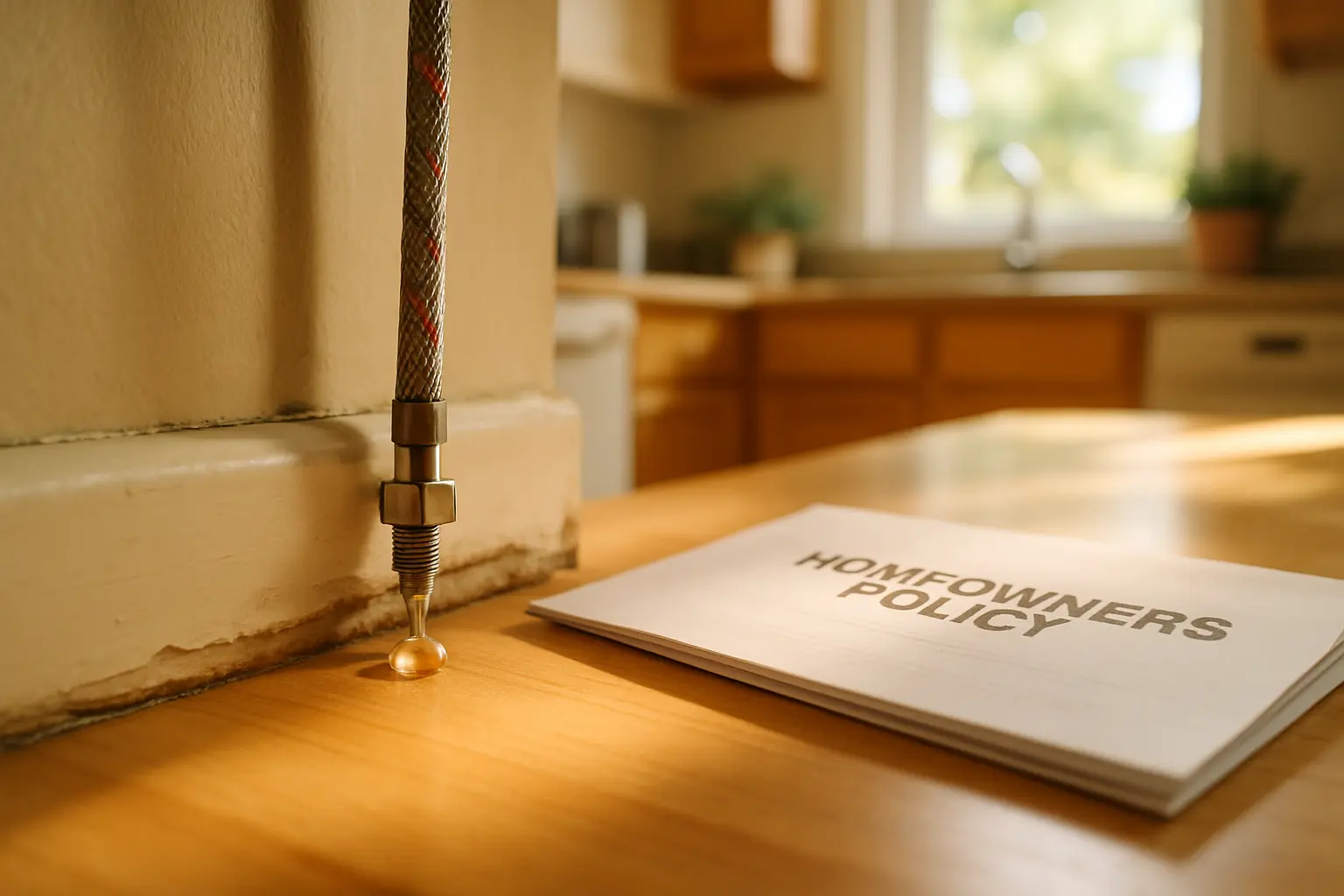
Why one wet mess can be covered while another one is denied
Most policy confusion starts with the fact that insurers sort water losses by where the water came from and how it entered the home.
A burst pipe inside a wall, sewage coming up through a drain, and groundwater entering from outside may all look like the same disaster on your floor, but insurers often treat them very differently.
Standard home coverage often handles certain sudden indoor water damage, such as a pipe break or appliance hose failure, if the event is accidental and not excluded. But that does not mean every wet loss is included. Water from outside the home, rising ground water, and flooding are usually separate issues, often requiring flood insurance rather than a regular homeowners endorsement.
Then there is the middle category that catches many people off guard: drain backups, sewer overflow, and sump pump failure. These are commonly excluded from standard coverage unless you add a specific endorsement. Explanations from water backup coverage guides and carrier education pages on water backup protection describe this add-on as coverage for water or sewage that backs up through sewers, drains, or sump systems.
That is why the first comparison question should be simple: what kind of water loss are you trying to insure against? If your basement risk is drain backup, a general leak endorsement may not help much. If your fear is a hidden pipe behind a wall, backup coverage may not be the key add-on either.
- Sudden pipe or appliance leaks may already be partly covered
- Backup through drains or sewers often needs an endorsement
- Sump-related overflow is commonly bundled with backup coverage
- Flooding from outside is typically a separate insurance product
- Slow leaks and poor maintenance are often excluded
That sorting step is what keeps a comparison honest.
What water backup and sump endorsements usually include in 2026
The most common add-on in this category is the endorsement for backed-up drains, sewer overflow, or sump pump discharge and overflow.
This endorsement usually shines when the loss starts inside the plumbing or drain system, not when water enters from outside soil or rising floodwater.
Sources reviewing sewer overflow endorsements and sump pump failure coverage explain that these add-ons often pay for damage to covered property when water backs up through a sewer, drain, or sump arrangement. That can include ruined flooring, damaged drywall, and some personal property losses, up to the endorsement limit.
Here is the catch: the limit may be much smaller than your main dwelling limit. Some policies offer $5,000, $10,000, or $25,000 unless you choose more. A finished basement can burn through that quickly. Cleanup alone can be expensive before repairs even begin.
Many endorsements also focus on damage from the water event itself, not on fixing the underlying line or pump unless the policy says so. A claim may help replace soaked carpet but not pay to upgrade an aging drain system. Temporary living expenses may or may not apply depending on the exact form.
When comparing backup endorsements, check:
- Whether sewer, drain, and sump events are all included
- The dollar limit for property damage
- Whether personal property is included or restricted
- Whether cleanup and removal are part of the limit
- Whether loss-of-use coverage applies if the home becomes unlivable
- Whether the endorsement excludes repeated or preventable failures
For homes with basements, older drain lines, or a sump system, this is often the endorsement worth pricing first.
Hidden leak and seepage endorsements can be useful, but they are narrower than they sound
Some insurers now offer extra protection for concealed leaks, but these endorsements are often tightly written and should not be confused with broad maintenance coverage.
A hidden leak add-on may help when water escapes behind a wall or under flooring over time without being obvious, but it usually does not turn neglect into a covered claim.
This is the endorsement category many shoppers misunderstand. A hidden water or seepage endorsement may apply when water damage develops from a concealed plumbing leak that was not visible right away. That can matter in a kitchen wall, bathroom plumbing cavity, or under a slab area where a leak is discovered after damage spreads.
Still, these forms often come with strict conditions. The leak usually must be hidden, accidental, and not something a reasonable inspection would have caught sooner. Mold limits may be low. Damage from long-term deterioration, corrosion, faulty construction, or ignored repairs may still be excluded. In other words, it is not a general warranty for aging plumbing.
Some insurers also separate the cost to tear out and replace parts of the structure to access the leak from the cost to repair the broken pipe itself. One may be covered, the other may not. This is the kind of fine print that deserves a direct question before you buy.
Ask the insurer:
- Does this apply to hidden plumbing leaks only, or also appliance line seepage?
- How long can the leak go unnoticed before coverage is limited?
- Is mold remediation included, and at what limit?
- Is tear-out to reach the leak covered?
- Is the damaged pipe or fixture itself excluded?
- Does the endorsement require proof of regular upkeep?
For older homes, this add-on may be worth exploring, but only after reading the exclusions carefully.
What these endorsements still usually leave out
The biggest mistake is paying for an endorsement and assuming it closes every water-related gap in the policy.
Most water endorsements are designed to solve one narrow coverage problem, not to erase exclusions for flood, neglect, gradual damage, or worn-out systems.
Even a strong water add-on often leaves major holes. Flooding from storm surge, overflowing rivers, and groundwater entering from outside generally still points to a flood policy, not a backup or leak endorsement. If your area has real flood exposure, this is a separate comparison, not an optional footnote.
Policies also commonly exclude wear and tear, repeated seepage, rot, maintenance failures, and damage caused by old systems you knew were failing. If the sump pump stopped because of a power outage, some carriers may require separate wording or may handle it differently than a mechanical failure. Sewer line replacement outside the home may also be outside the endorsement unless another service-line product is in place.
This is why low premiums can be misleading. One endorsement may be cheap because it covers only a narrow event with a low cap. Another may sound broad but exclude mold, foundation work, or the actual system repair that triggered the loss.
Before renewal, compare your home against the fine print:
- Basement or below-grade finished space
- Older plumbing or cast-iron drain lines
- Sump pump dependence
- Past backup or moisture issues
- Area flood exposure
- Any prior denied or limited water claim
If one of those risks is already familiar, a generic endorsement summary is not enough. Ask for the actual wording.
How to choose the right endorsement without overpaying
The best comparison is not endorsement versus endorsement alone, but your home’s real weak spot versus the limit, exclusions, and price of each option.
The right add-on is the one that protects the kind of water event most likely to wreck your budget, not the one with the nicest label on the quote screen.
Start with your property, not the marketing. A finished basement and sump system often point toward water backup coverage first. An older house with hidden plumbing risk may justify asking about seepage or concealed-leak wording. A home in a true flood-prone area may need separate flood insurance more than any endorsement on the base policy.
Then compare cost against meaningful limits. An endorsement with a $5,000 cap may sound affordable but may barely touch a serious cleanup and rebuild. If you are adding coverage, price two or three limit levels and ask how much more it costs to move higher.
A practical review list looks like this:
- Read the declarations page and all water-related endorsements
- Match each endorsement to a specific type of water event
- Check sublimits, deductibles, and whether cleanup counts toward the cap
- Ask whether belongings, temporary housing, and mold are covered
- Compare higher limits before accepting the lowest default option
- Consider flood coverage separately if outside water is a risk
If the wording is hard to pin down, email the insurer or agent specific examples and ask how the policy would generally respond. A short paper trail can help you compare apples to apples.
Water losses are expensive because they spread fast and because policy language is picky. Taking a few minutes to compare the actual endorsement details now may reveal a cheaper way to protect your home than learning the difference after the floor is already ruined. Check which water risk fits your home today, and see which coverage options may actually match it.