

Before You Say Yes to a Summer Debt Consolidation Offer
A debt consolidation pitch can sound like relief in one neat sentence: one payment, lower stress, done. But summer offers often look better in an ad than they do in real life. A lower monthly bill can come from a longer repayment term, a high fee, a secured loan, or a program that does not actually solve the debt problem.
This topic is close to earlier debt articles on the site, but the angle here is different. This is not about choosing between counseling and settlement. It is about reviewing a consolidation offer itself before accepting it. That means checking whether the offer truly reduces cost, whether it changes your risk, and whether a safer path may fit better.
According to the credit card debt consolidation guidance, consumers should look closely at the type of product being offered and how the terms compare with the debts they already have. That matters because consolidation can help in some situations, but it can also backfire when fees, collateral, or long payoff periods get overlooked.
First, figure out what kind of consolidation offer this really is
The most important first check is identifying whether the offer is a personal loan, balance transfer, home-secured loan, or a debt relief program using consolidation language loosely.
Not every company using the word consolidation is offering the same thing, and the risk can change a lot depending on how the debt is being repackaged.
Some offers are straightforward installment loans used to pay off credit cards. Others are balance transfer cards with a temporary low rate. Some are home equity products that turn unsecured debt into debt tied to your house. And some advertisements blur the line between consolidation and debt relief services that may involve fees and extra steps rather than a clean refinance.
This matters because the product shape tells you what to compare next. A balance transfer may depend on a short promotional period. A personal loan may include origination fees. A home-secured offer may put your property at risk if payments go wrong. If the sales rep cannot explain the product clearly in plain language, slow down.
Ask these basics before anything else:
- Is this a new loan, a new credit card, or an enrollment program?
- Will it pay creditors directly, or do you do that yourself?
- Is any home, vehicle, or savings account being used as collateral?
- What exact accounts will be included?
- Are there setup, transfer, or origination fees?
If the answers feel fuzzy, that is already useful information. A real offer should be understandable before it is attractive.
Then compare the total cost, not just the new monthly payment
A smaller payment can be helpful, but it does not always mean the offer is cheaper overall.
Many consolidation deals look affordable because the repayment timeline stretches out, not because the debt itself became less expensive.
This is where summer loan offers can mislead people. A lender may lower your monthly bill by adding more years to the repayment term. That can ease short-term pressure, but it may increase the total amount repaid. The real comparison is not old payment versus new payment. It is total interest, total fees, and total time in debt.
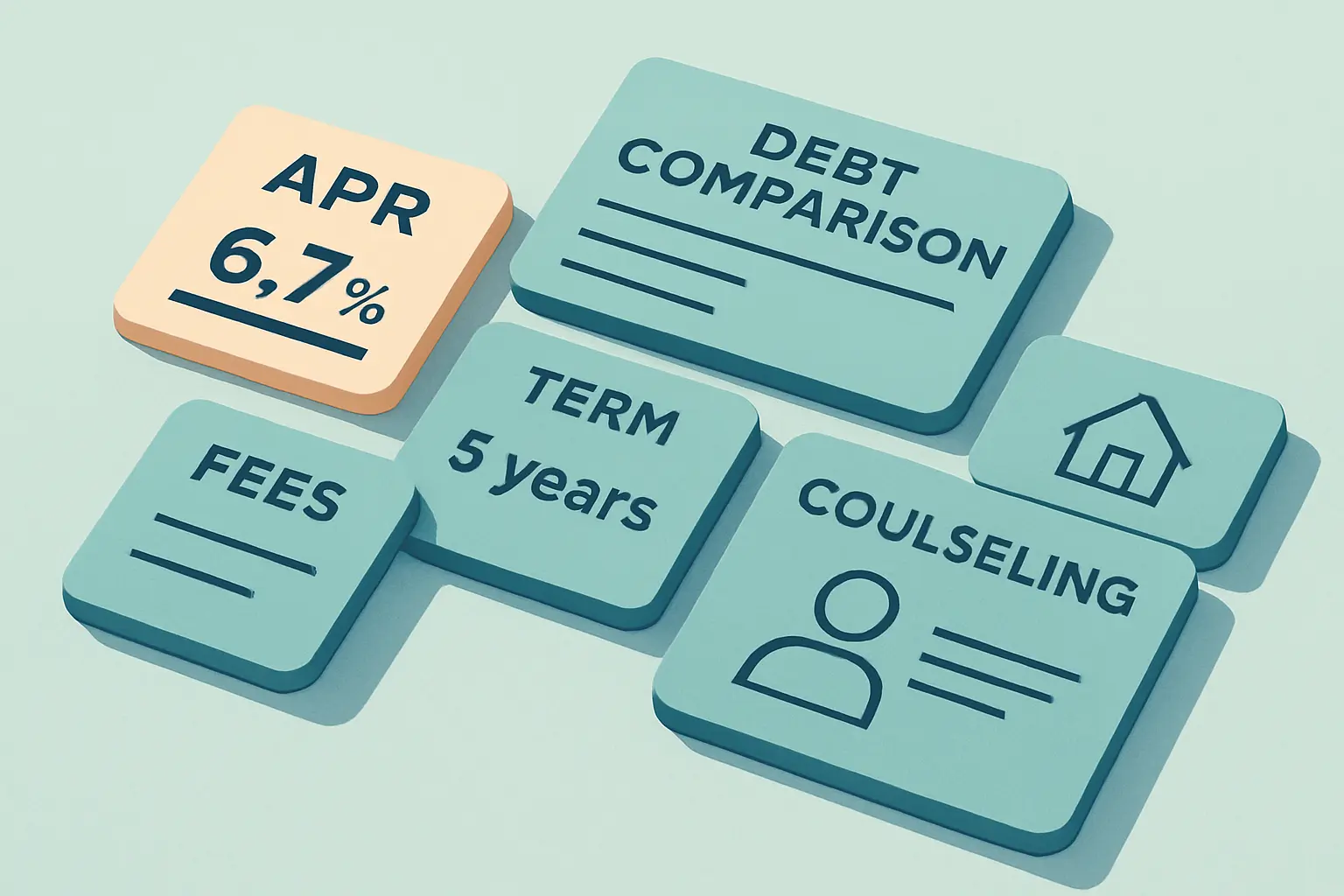
Line up your current debts and the new offer side by side. Include:
- Current balances and interest rates
- Total minimum payments now
- New interest rate or APR
- Origination or balance transfer fees
- Length of the new repayment term
- Total estimated amount repaid
The CFPB’s overview of consolidation makes this point clearly: a lower monthly payment can cost more if you take longer to repay the debt. That is why the best question is, “How much will this cost me by the end?” not simply, “Can I afford the first bill?”
If a company highlights only the monthly number and avoids the full payoff math, that is a reason to pause and do your own calculations before signing.
Check what could make the offer riskier than your current debt
Some consolidation offers lower stress in one area while increasing risk somewhere else.
Turning several credit card bills into one new payment can simplify life, but it can also raise the stakes if the new debt is secured or loaded with penalties.
Not all risk shows up in the interest rate. If the offer uses your home as collateral, missing payments could put far more on the line than a credit card ever did. If the deal is a balance transfer card, the low rate may expire quickly and leave a remaining balance at a much higher rate later. If there is a large late fee or penalty APR, one rough month could change the math fast.
There is also a behavior risk. If your credit cards are paid off by the new loan but stay open, some borrowers end up with both the consolidation loan and fresh card balances. That makes the overall debt load worse, not better.
Review the offer for these pressure points:
- Collateral requirements
- Penalty rates or late-payment terms
- Short promotional periods
- Prepayment penalties
- Automatic payment requirements
- Whether paid-off cards will remain available to use
Also keep in mind that debt relief and debt settlement are not the same as consolidation. The CFPB’s debt relief explanation notes that some programs carry major risks and may work very differently from a standard consolidation loan. If a company uses both terms casually, ask exactly what you are agreeing to.
Compare the offer with nonprofit credit counseling before committing
A structured review with a nonprofit counselor can be a smart reality check, especially if the consolidation pitch feels urgent or overly smooth.
Sometimes the best use of a consolidation quote is not accepting it right away, but using it as a benchmark against a safer alternative.
This step matters because some borrowers do not actually need a new loan. They may need lower interest, a repayment plan, or a better budget structure. That is where nonprofit credit counseling can be useful. The difference between credit counseling and other debt services is important: counseling is often centered on repayment planning and education, not high-pressure enrollment into a risky product.
A counselor may help review whether a debt management plan could lower credit card rates without replacing your debt with a new loan. That will not fit everyone, but it is worth comparing before accepting a summer offer that locks you into fees or collateral.
Ask yourself:
- Are my debts still mostly current?
- Would reduced rates solve most of the problem?
- Do I need lower total cost or just a lower payment?
- Is the offer fixing the debt, or just stretching it out?
This is especially useful if the marketing sounds rushed. A good decision usually survives a second opinion. If the consolidation offer is truly strong, it should still look strong after you compare it with counseling, hardship options, or direct creditor arrangements.
Use a simple summer checklist before saying yes
The safest way to review a consolidation offer is to make it earn your trust line by line.
A careful comparison today can prevent a “simpler” payment from becoming a longer, pricier, or more dangerous debt problem later.
Keep the process practical. Pull your statements, write down your current totals, and compare the new offer in plain numbers. Then check for safer alternatives and any warning signs in the fine print.
A smart review checklist looks like this:
- Identify the exact product type
- Compare total payoff cost, not just monthly payment
- Check all fees and APR terms
- Look for collateral or penalty risks
- Confirm whether any promo rate ends soon
- Review whether nonprofit counseling could fit first
- Get the offer in writing before agreeing
- Avoid any company implying guaranteed approval or guaranteed savings
If collection calls, delinquent balances, or past-due accounts are already part of the picture, it may also help to review your rights using basic debt collection information while you sort out the next step.
The bottom line is simple: debt consolidation can help, but only when the offer truly improves your position. Before accepting any summer debt consolidation deal, check what it is, what it costs, what it risks, and what other support may fit instead. A little extra review now may uncover the better option for your budget today.