

Medicaid Work Rule Changes: Steps That May Protect Your Coverage
New federal Medicaid policy is getting attention because CMS has issued an interim final rule that sets a national framework for work or community engagement requirements for many adults. Headlines can make this sound simple: work 80 hours a month or lose coverage. In real life, it is more complicated than that. Whether the rule applies to you can depend on your age, health, caregiving role, pregnancy status, state rollout, and whether an exemption or hardship category fits your situation.
If you have Medicaid now, or expect to apply soon, the biggest risk may not be the rule itself. It may be an administrative mistake, missed notice, incomplete paperwork, or confusion about reporting. That is why this guide focuses on practical protection steps you can take now. It is not a promise that you will keep or qualify for coverage, and states still need to implement systems and notices. But there are concrete ways to reduce the chance of an avoidable loss.
According to CMS materials, many non-pregnant adults ages 19 to 64 may need to show 80 hours per month of work or another approved community engagement activity by 2027, unless they fall into an exempt category or qualify for another protection. Activities can include work, job training, education in some cases, or community service, depending on the final state process. States also must provide notice, verification pathways, and certain opportunities to fix problems before disenrollment.
Use this checklist as a calm, organized review. Start with what your state is doing, then move to exemptions, then build your proof and backup plan.
1) Find out whether your state is changing its Medicaid process
Your first job is to confirm the rules you actually have to follow.
Federal policy creates the framework, but states usually control how Medicaid is administered day to day. That means the timing, technology, notices, and verification process may not look identical everywhere. Some states may use updated online tools, while others may rely more on mailed forms, call centers, or managed care communications. Before you assume anything, check your state Medicaid agency website and any notices from your health plan.
Do not rely on social media summaries alone. A mailed renewal packet, online account message, or state notice may contain deadlines and reporting instructions that matter more than a headline.
Go through this short review:
- Log in to your state Medicaid account, if your state offers one.
- Make sure your mailing address, email, and phone number are current.
- Read every notice, even if it looks routine.
- Check whether your state has announced a start date, reporting method, or new online portal.
- See whether your state is using streamlined verification tools or asking people to submit documents manually.
- Ask whether your Medicaid managed care plan is sending separate reminders or compliance messages.
CMS has also highlighted tools meant to reduce administrative burden, including the Eligibility Made Easy platform, sometimes called Emmy. If your state adopts a streamlined reporting system, it may help match data sources and reduce repeat paperwork. Still, do not assume automation will catch everything correctly. If you work variable hours, change jobs, or have periods of illness, keep your own records.
A good next move is to save the official links for your state Medicaid office and the federal CMS community engagement page so you can compare what your state says against the broader federal framework.
- CMS Medicaid community engagement overview
- CMS fact sheet on the interim final rule
- CMS Eligibility Made Easy tools
If you do not understand a notice, call your state Medicaid office, local legal aid group, navigator, or community health center and ask what action is required now versus later. Acting early matters because a rule change often creates confusion long before coverage is actually affected.
2) Check carefully for an exemption, hardship, or special status
Many people discussed in the headlines may not be subject to the monthly requirement at all.
This is the part many people skip, and it can be costly. The federal fact sheet and related rule materials describe multiple categories that can exempt someone from the requirement or change how their case is handled. These may include pregnancy, disability, medical frailty, caregiving duties, certain tribal status, and hardship situations. Exact handling can depend on how the state sets up its procedures, so the safest approach is to review every possible category that could apply to you or a family member.
If a category might fit, do not assume the state will identify it automatically. In many cases, you may need to report it, confirm it, or send supporting records.
Ask yourself these questions:
- Are you pregnant now, or recently notified a health program about a pregnancy?
- Do you have a disability determination, functional limitation, or health condition that may qualify as medically frail?
- Do you receive treatment for a serious physical health condition, mental health condition, or substance use disorder?
- Are you the main caregiver for a child, disabled relative, or another dependent person?
- Are you an American Indian or Alaska Native and potentially covered by a listed exemption?
- Have you had a short-term hardship, such as hospitalization, domestic violence, housing disruption, or another major event affecting your ability to comply?
Then gather proof that matches the category. This may include doctor notes, disability records, hospital discharge papers, caregiving records, school enrollment information, tribal documentation, or written statements tied to hardship. Keep copies in one folder on paper and, if possible, on your phone or in cloud storage.
The wording around “medically frail” can be especially important. Some people who live with serious but fluctuating health conditions may not realize they should ask whether that status applies. If your health condition limits your ability to work consistently, ask your state Medicaid office what documentation it accepts and whether a clinician statement is needed.
Just as important, review whether approved activities other than paid work may count. Federal materials indicate that qualifying community engagement can include items such as job training, education, and volunteer service in some circumstances. If your hours come from more than one source, keep them organized by month so they are easier to verify.
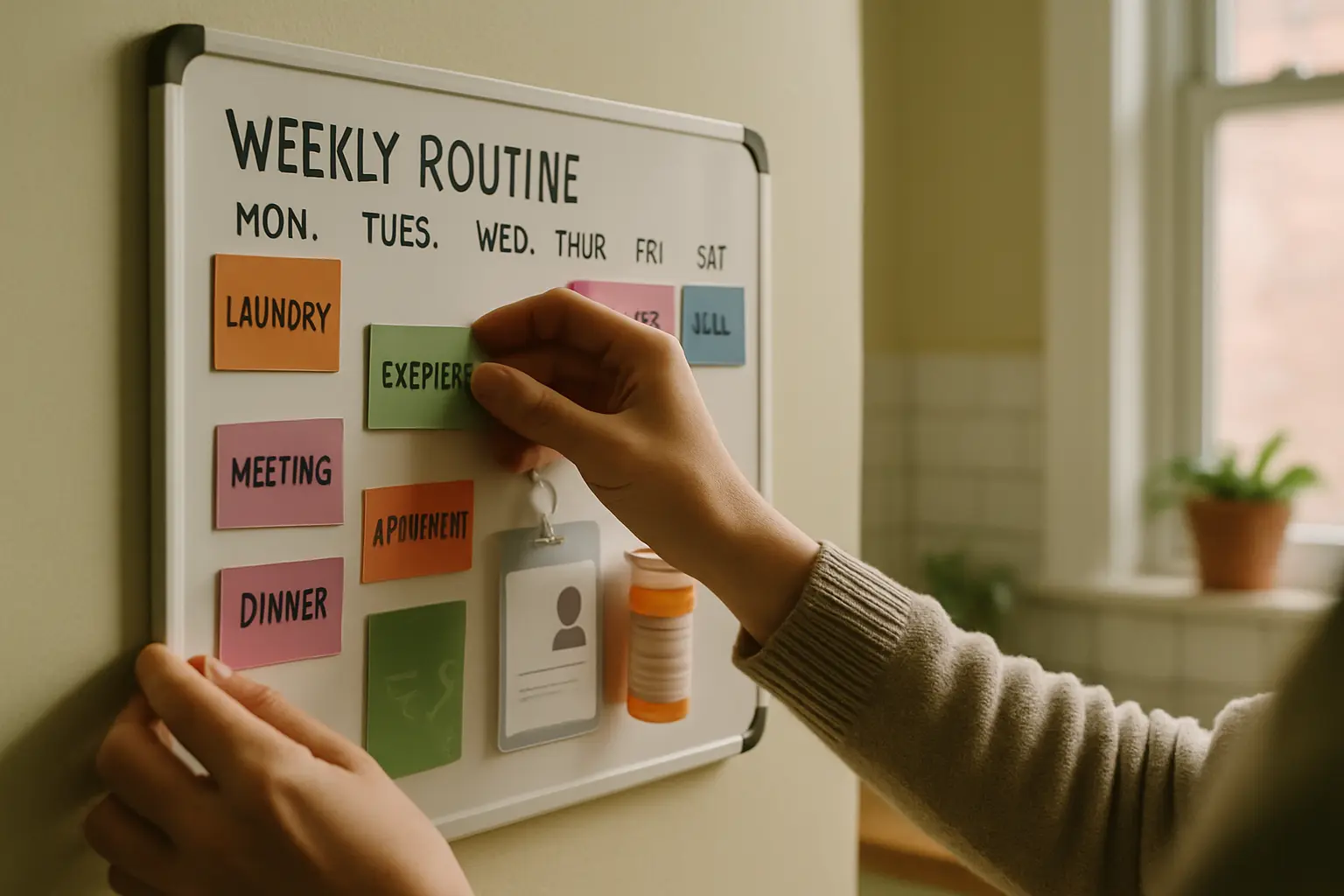
Helpful official and explanatory sources include:
- CMS press release on the new framework
- Federal Register text for the interim final rule
- Legal analysis discussing exemptions and documentation risks
If you are unsure whether an exemption applies, ask anyway. A lot of preventable coverage problems happen when someone assumes a category is obvious, but the state system still shows them as needing to report work hours.
3) Build a paper trail for reporting, renewal, and any appeal rights
The strongest protection is a clear record of what you submitted and when.
Even if you expect to meet the requirement easily, documentation is your backup. People with hourly jobs, multiple employers, seasonal work, or caregiving interruptions may have trouble if the state cannot verify activity through data sources. The same is true for people who move, lose mail access, or miss a renewal packet while focusing on work or family care.
When Medicaid asks for action, the deadline is only part of the story. You also want proof that you responded, proof of the response itself, and proof of any error if the state gets it wrong.
Use this practical protection list:
- Save screenshots of every online submission confirmation.
- Keep pay stubs, timesheets, volunteer logs, school or training schedules, and employer contact information.
- If you mail documents, use a method that gives you tracking or a receipt.
- Write down the date, time, and name of any representative you speak with by phone.
- Open renewal packets right away and respond before the deadline.
- Update your address immediately after a move.
- Set calendar reminders for monthly reporting and annual renewal periods.
- If your hours vary, track them weekly so the monthly total is easier to prove.
- If you think you should have been exempt, submit that information as soon as possible and keep copies.
Federal guidance discussed by CMS and state-facing organizations indicates states must provide notices and, in many cases, a chance to cure noncompliance before denial or disenrollment. One guidance summary points to 30-day cure periods before certain adverse actions. Still, you should not wait for a final warning if something looks wrong.
If your coverage is denied, reduced, or ended and you believe it was a mistake, read the notice closely for hearing or appeal instructions. Deadlines can be short. File the appeal on time, save proof, and ask whether benefits can continue during the appeal if that option exists in your situation. You may also want to contact legal aid, a health law clinic, or a consumer assistance organization for help understanding your rights.
One more point: renewal and work-rule reporting are related but not identical. A person can meet an activity requirement and still lose coverage for failing to complete a separate renewal form, or vice versa. Treat both as essential. If your state uses automatic checks, great. But always verify that your case status reflects current information.
4) Make a backup health coverage plan before there is a problem
Planning early can reduce a dangerous gap if your Medicaid status changes unexpectedly.
No one should assume a coverage loss will happen, but it is smart to think through backup options now. If your Medicaid case changes because of reporting, renewal, income, or a dispute, you may have other paths to explore. These can include employer coverage, a spouse’s plan, COBRA in some cases, or a marketplace plan through HealthCare.gov or your state exchange. Eligibility, premiums, and subsidies vary, so comparison matters.
A backup plan is not giving up on Medicaid. It is a way to protect access to doctors, prescriptions, and care if an administrative issue delays or interrupts your enrollment.
Here is a simple backup checklist:
- Find out when your current Medicaid coverage period ends.
- Ask whether any pending changes are only about reporting or also about full eligibility.
- Check whether your job, or a household member’s job, offers insurance and what the enrollment window is.
- Review marketplace options at HealthCare.gov if you might lose Medicaid.
- Make a list of your current doctors, prescriptions, and ongoing treatments so you can compare networks quickly if needed.
- Keep important medical appointments and prescription refills on schedule while coverage questions are pending.
This is also a good time to identify help sources in advance. Community health centers, hospital financial counselors, legal aid organizations, and Medicaid navigators may be able to help you interpret notices or complete forms. If you wait until a deadline has already passed, your options may narrow.
The key point is that the new Medicaid work-rule framework is a real policy change, but a lot of the practical damage people fear can come from avoidable paperwork failures. Checking your state process, confirming any exemption, documenting every submission, and preparing a fallback option can put you in a much safer position.
If you have Medicaid now or expect to apply soon, take a few minutes to review your status and compare your options today.