

PFAS Rule Changes? Ways To Manage Water Costs Now
News about federal drinking-water policy can make a household concern feel immediate very quickly. If you have seen headlines about possible changes to PFAS rules, you may be wondering whether your water utility could face new timelines, whether testing or treatment costs could show up on future bills, and whether it is worth buying a filter or paying for extra sampling on your own.
First, the reality check: a policy shift does not automatically mean your tap water is unsafe, and it does not mean every customer will see a sudden price increase. The recent EPA action discussed in May 2026 kept protections for PFOA and PFOS in place while proposing longer compliance timelines for some public water systems and rescinding determinations for several other PFAS compounds. That matters because timing changes can affect how utilities plan treatment upgrades, customer notices, and rate requests. But the impact will vary by community, water source, and existing infrastructure.
For most households, the useful move is not panic-buying expensive gear. It is checking the right sources in the right order, then comparing practical cost-control options if your bill, fees, or filtration needs start changing. Below is a simple decision path you can use now.
Problem: You heard about PFAS policy shifts and are worried your costs may rise
Start with facts from your own water system before spending money.
The best first stop is your water utility’s customer notice and annual water-quality report, often called the Consumer Confidence Report, or CCR. EPA guidance requires public water systems to make these reports available, and recent PFAS-related guidance has increased attention on what systems tell customers about monitoring, detections, and compliance status. If the EPA allows some systems more time to meet PFOA and PFOS limits, your utility may still have to provide public notice and CCR updates that explain where things stand.
Look for your utility’s latest CCR, any separate PFAS notice, and recent board or rate-meeting materials before assuming a new charge is coming.
What should you look for?
- Whether PFAS were detected in your system and which compounds were listed.
- Whether the water system says it is already in compliance, seeking extra time, or planning treatment upgrades.
- Any mention of capital projects, treatment installation, or future rate hearings.
- Whether your utility offers customer alerts, budget billing, hardship plans, or discount programs.
You can often find this on your utility website, local government page, or bill insert. If not, call customer service and ask for the newest water-quality report and any current PFAS communication.
It also helps to separate three different household questions:
- What does my utility have to report to me?
- Is my system getting more time to comply with some drinking-water requirements?
- Could my own budget be affected by higher bills, fees, filter purchases, or optional home testing?
Those are related, but not identical. A utility might disclose detections without changing your monthly bill right away. Another system may begin a long treatment project that eventually leads to a rate case. And some households may choose to buy a certified home filter even if no utility rate increase has happened.
That is why acting early matters. The more time you have, the more choices you usually keep. If your utility starts discussing treatment upgrades or if your household already struggles with monthly bills, this is the moment to review assistance options before a balance grows.
Also keep in mind that home testing has limits. Private tests can be useful in some situations, especially for private well owners, but they can be expensive and hard to interpret. Public-water customers should usually begin with the utility report and official notices rather than paying for a test first.
Options: Bill help, payment flexibility, rebates, and community resources
There is no single national PFAS household aid program, but several ordinary help routes may reduce the pressure.
If costs start climbing, the most widely useful options are often the least dramatic ones: utility discounts, extended due dates, payment arrangements, arrears grants, level-pay plans, and local filter or testing support. These tools already exist in many service areas, even when they are not advertised loudly.
Start with your own utility. Some water providers offer income-based monthly discounts, one-time emergency grants, or protections from shutoff while an application is being reviewed. Others offer interest-free installment plans or level billing that spreads seasonal spikes across the year. Real-world examples include programs offered by the Philadelphia Water Department, Cal Water, and Eastern Municipal Water District, though specific rules differ by provider and location.
Ask your provider about payment plans, monthly discount programs, one-time grants, and level-pay options in the same call so you can compare them at once.
Here are the most common routes to compare:
- Water-bill assistance programs: Some utilities or local agencies offer income-qualified discounts or grants. You may need proof of income, household size, or participation in another assistance program.
- Payment plans and due-date extensions: These can help if a rate increase, leak charge, or catch-up bill arrives before your budget is ready.
- Budget or level billing: Instead of handling large peaks all at once, you pay a steadier amount across several months.
- Filter rebates or public-health giveaways: In some communities, local health departments, schools, environmental groups, or municipalities offer free or reduced-cost filters, pitchers, or replacement cartridges tied to drinking-water concerns.
- Community testing programs: These can be especially useful for private well users or neighborhoods with local contamination concerns. Sometimes universities, state agencies, or local nonprofits coordinate lower-cost sampling events.
- State or county emergency aid: In some places, short-term crisis funds can help keep utility accounts current when a household faces job loss, illness, or another temporary setback.
The trick is to match the help route to the cost you are actually facing. If your utility bill is manageable but you want extra peace of mind at the tap, a filter rebate or replacement-cartridge support may matter more than a payment plan. If your bill is already behind, the order flips: secure account relief first, then think about equipment.
For private well households, the path is somewhat different because you are responsible for your own testing and treatment. In that case, contact your state drinking-water office, county health department, or cooperative extension office to ask about PFAS sampling guidance, lab lists, and any available local support. Well owners generally do not receive a CCR, so outside guidance becomes more important.
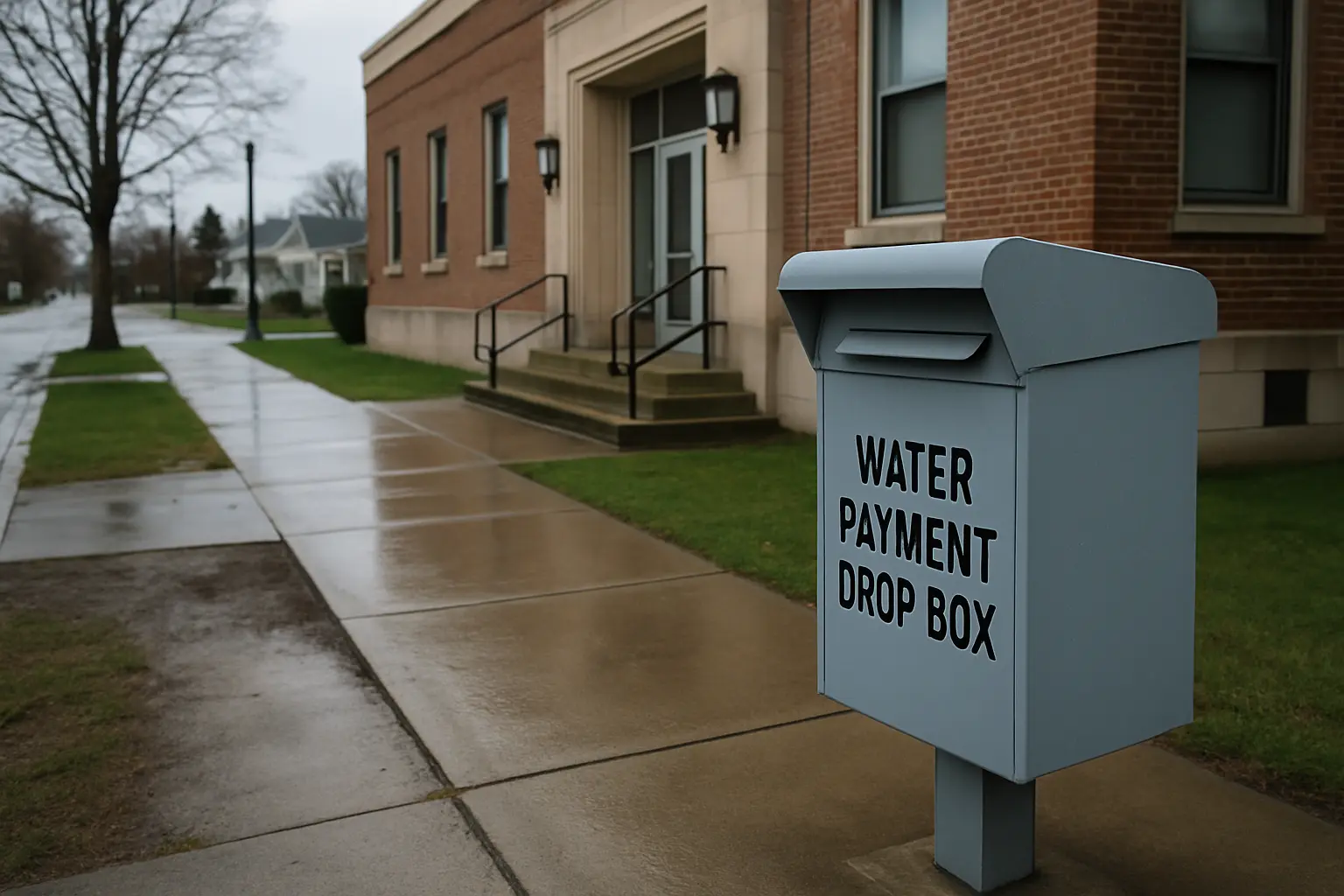
Do not overlook medical or household circumstances that may strengthen your case for flexibility. Some utilities have special plans for low-income customers, seniors, or households with health-related water needs. These are not guaranteed, but they are worth asking about directly.
And be careful not to assume that every product sold online is necessary or appropriate. If you are considering a home filter, check whether it is certified for the contaminant concerns you actually have and what ongoing cartridge replacement costs will be. An inexpensive system with frequent replacements may cost more over time than a better fit.
Useful official starting points include EPA information on PFAS drinking-water protections and CCR reporting requirements. Those sources can help you understand what utilities may be reporting and when, even if local implementation differs.
Next steps: Build a short action list before rates or fees shift
A fast, organized check now can save money later.
If you want a practical plan for this week, use this sequence.
Check your water report, contact your utility, compare aid routes, and document everything before any past-due amount builds up.
- Step 1: Find your latest CCR and bill inserts. Save copies or screenshots. Note any PFAS detections, compliance language, treatment plans, or upcoming hearings.
- Step 2: Call your water provider. Ask four things in one conversation: whether there are PFAS-related notices or planned treatment costs, whether any rate change is pending, what payment-relief programs exist, and where to apply.
- Step 3: Review your current bill structure. Separate base charges, usage charges, late fees, and any other line items. That helps you see whether a future increase would likely hit fixed costs, usage costs, or both.
- Step 4: Decide whether you need account help, water-treatment help, or both. If your concern is affordability, begin with bill relief. If your concern is tap-use confidence, compare certified filtration options and local rebate opportunities.
- Step 5: Search locally for health department or nonprofit programs. Use your city, county, or state plus terms like “water assistance,” “filter rebate,” “PFAS testing,” or “drinking water program.”
- Step 6: If you use a private well, contact your county health department or state environmental agency. Ask for PFAS testing guidance and approved lab resources before ordering a random online test.
- Step 7: Keep records. Save application confirmations, notices, emails, and call notes. If a utility later offers a temporary plan or requires documentation, you will move faster.
One more point: policy headlines can move faster than utility billing systems. Even if the EPA revises a rule or compliance timeline, local costs may unfold gradually through public meetings, infrastructure planning, and formal rate processes. That means households often have a window to prepare. Use it.
If your area has not announced any changes, you do not need to manufacture a crisis. But it is still smart to learn where your CCR lives, sign up for utility alerts, and ask what customer-assistance options already exist. Those same tools can help with ordinary leaks, billing spikes, or income interruptions later on.
For official information, start with the EPA’s PFAS updates at EPA’s news release on PFAS drinking-water protections, the proposed PFOA and PFOS compliance extension page, and the Consumer Confidence Report guidance page. For examples of local account relief, see programs described by the Philadelphia Water Department, Cal Water, and Eastern Municipal Water District.
If water costs are becoming a concern, check what help or pricing options are available in your area today and compare the next step before the bill gets harder to manage.