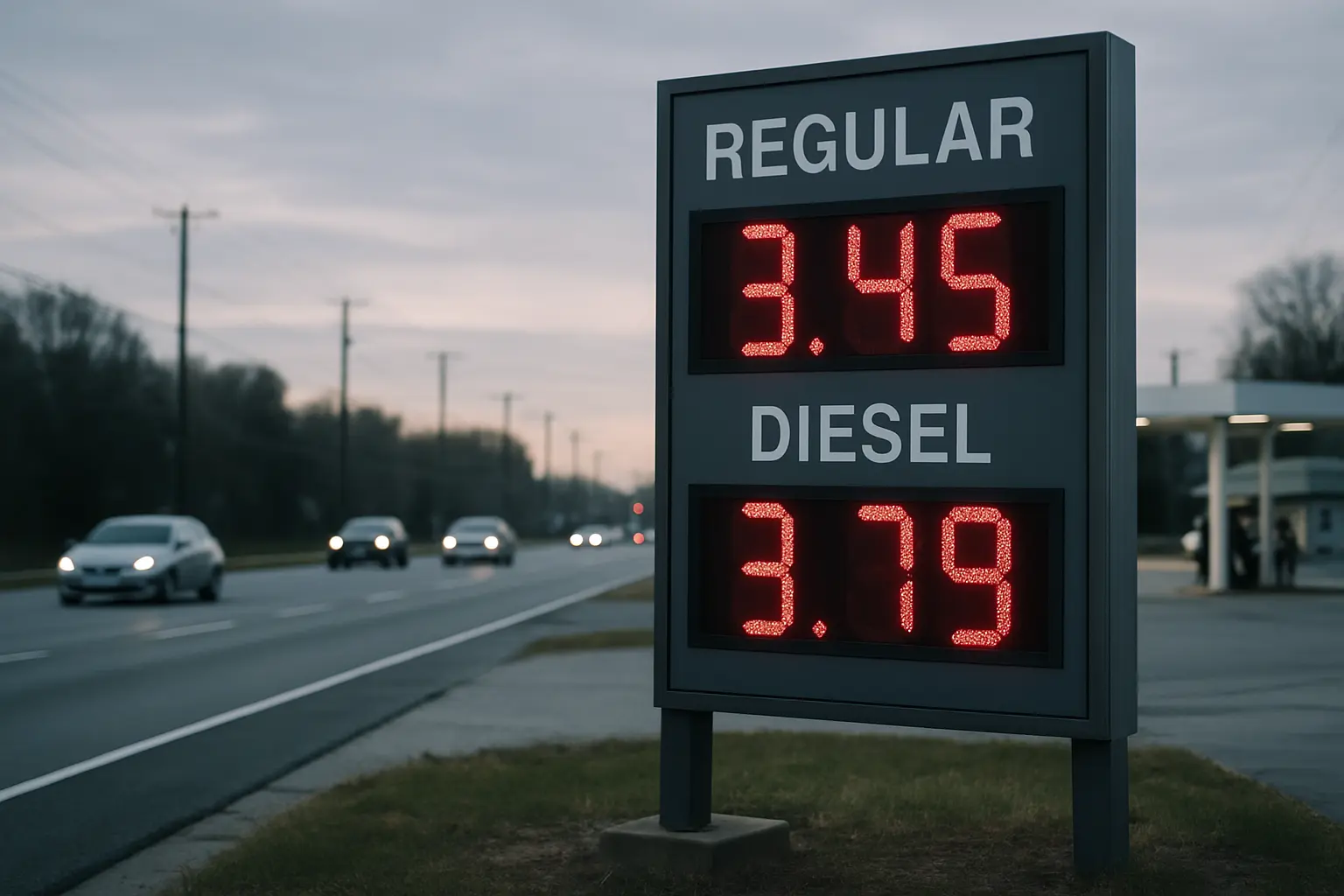

Gas Tops $4 Again: Ways to Cut Commuting Strain
When fuel prices push past $4 in many areas, the impact shows up fast. A longer drive to work can suddenly eat up money meant for groceries, childcare, prescriptions, or minimum debt payments. Gig drivers and delivery workers may feel it even more because every extra mile directly affects their take-home pay. Families with two cars may also discover that a routine school-and-work schedule costs much more than it did a few months ago.
The good news is that rising gas prices do not always mean your only option is to absorb the hit. Depending on where you live and how you travel, there may be employer-based commuting perks, local fare discounts, transportation help tied to income or medical needs, and simple schedule or route changes that lower total driving costs. None of these paths are automatic, and not every option exists everywhere. Still, a careful search can uncover savings many people overlook.
This guide focuses on practical places to look first, with official links that can help you confirm current rules and apply where relevant.
What employer or tax-advantaged commute help should you check first?
If you work outside the home, your job may already offer a transportation benefit you are not using.
One of the most overlooked ways to reduce commuting costs is through qualified transportation benefits. Under IRS rules, some employers can let workers pay for certain transit passes, commuter highway vehicle costs, or parking with pre-tax dollars, or the employer may contribute directly. For 2026, IRS Publication 15-B explains that qualified transportation benefits can be excluded from wages up to monthly limits, which may reduce taxable income for eligible workers depending on how the benefit is structured.
Start with your HR portal or benefits office before assuming your paycheck has no commute support built in.
This matters because pre-tax transit or parking elections do not put cash back in your pocket the same way a rebate does, but they may lower your taxable pay and make a regular commute somewhat less expensive. Federal workers and some public-sector employees may also have access to separate transit subsidy programs. For example, the U.S. Department of Transportation outlines a transit benefit program for eligible federal employees through TRANServe.
Questions to ask your employer or benefits administrator:
- Do you offer pre-tax transit, vanpool, or parking elections?
- Is there an employer-paid transit pass or monthly subsidy?
- Can elections be changed midyear if commuting patterns changed?
- Are remote or hybrid staff still eligible on in-office days?
- Is there a rideshare, vanpool, shuttle, or preferred parking program?
If you are a contractor, part-time worker, or app-based worker, you may not have access to an employer commute plan. Still, platform-specific fuel discounts may exist. For instance, Uber has promoted fuel savings through partner programs and cash-back tools for qualifying drivers and couriers. Offers can change, so drivers should review the current terms directly through the app or the official company page rather than relying on old social posts or driver forums.
Longer term, some workers may also want to ask whether compressed schedules, one additional work-from-home day, or a shift change could reduce weekly miles. Even one less round trip each week may matter when prices stay elevated for months.
Are transit, carpool, or local discount programs worth checking now?
Yes, especially if your current routine includes any flexibility at all.
People often think of public transportation only as a full replacement for driving, but partial substitution can help too. You might drive to a park-and-ride lot two days a week, share one school drop-off with another household, or switch one weekly office trip to rail or express bus service. The point is not perfection. It is reducing paid miles where possible.
Many transit systems now also offer lower fares for riders with lower incomes, older adults, students, or people with disabilities. In the Bay Area, for example, Clipper START offers reduced single-ride fares for eligible lower-income adults on participating transit agencies. Other metro areas have similar discount structures, though the names and rules vary.
Check the website of your local transit authority for terms such as:
- reduced fare program
- income-based transit discount
- senior fare card
- disabled rider pass
- commuter pass
- park-and-ride discounts
- vanpool subsidy
If you live in a smaller city or rural area, county transportation agencies and regional planning groups may know about carpool matching, commuter buses, or employment transportation support. In some states, specific work-related transportation aid programs exist. Wisconsin’s Employment Transportation Assistance Program is one example of a state-coordinated approach that may help eligible low-income workers with commute-related transportation barriers.
Do not forget 211. Local 211 networks sometimes connect callers to transportation help for work, medical appointments, older adult services, disability rides, or community fuel assistance when available. Coverage is uneven, but it is often a faster first stop than hunting through multiple county websites.

Even using a discounted fare or carpool one or two days per week can soften a monthly gas spike.
Families should also look closely at school and activity driving. If one parent is making separate morning and afternoon trips because of pickup timing, it may be worth checking whether before-care, after-care, school bus eligibility, or a shared ride arrangement would cut duplicate driving. That kind of change is easy to miss because it feels like routine, not transportation spending.
Gig workers have a different calculation. A lower fare does not solve the problem if driving is how you earn money. In that case, it may make sense to compare which trips actually produce a worthwhile net return after gas, wear, tolls, and downtime. In California, the Rideshare Incentives for Driving Electric program points to one longer-range path for some lower- and moderate-income drivers, though this is location-specific and not a quick fix. It does show that some state-level transportation relief is beginning to connect fuel costs with vehicle transition support.
Can government or nonprofit transportation help cover some trips?
Sometimes, but the rules depend heavily on where you live and why you need the ride.
There is no broad national gasoline grant that most commuters can claim whenever pump prices rise. That is important to say clearly, because headlines and social media can make it sound like a universal gas relief check is hiding somewhere. Usually, transportation help is narrower. It may be tied to medical access, older adult mobility, disability services, workforce participation, or very specific local funding.
Look for trip-specific assistance instead of assuming there is a general fuel reimbursement waiting for everyone.
One key example is non-emergency medical transportation. Medicaid beneficiaries in many situations may qualify for rides to covered medical services, and the Federal Transit Administration also explains how transportation funding can support access through partner programs. For people managing frequent treatment, dialysis, rehab, or specialist visits, removing even a portion of medical driving can reduce total monthly gas use.
Other places to check include:
- State Medicaid transportation pages for non-emergency medical rides
- Area Agencies on Aging for senior ride services
- Local disability resource centers
- Workforce development boards and job access programs
- County human services offices
- Community action agencies
- 211 for local referrals
When reviewing these programs, pay attention to limits. Some only cover approved trip purposes. Some require advance scheduling. Others work only inside certain county lines or for people already enrolled in another benefit. You may need proof of identity, address, household income, benefit status, or appointment details.
If you are searching online, favor official .gov, transit authority, healthcare plan, or established nonprofit pages. Be cautious with sites that imply instant cash for gas or charge fees to help you apply. Real transportation assistance programs generally do not require a payment just to see whether you qualify.
What practical steps can shrink the damage if prices stay high?
Small operating changes can matter more than people expect when fuel costs rise suddenly.
If no major relief program fits your situation, a short commute audit can still help. Start by calculating your actual weekly driving pattern rather than guessing. Many households underestimate miles from side trips, duplicate errands, school runs, and convenience purchases.
Cutting one avoidable fee or one repeat trip each week can be as useful as chasing a benefit that never opens in your area.
Try this simple checklist:
- Map your last two weeks of driving and total the miles.
- Bundle errands into one route instead of making separate trips.
- Check toll-road settings and avoid accidental paid routes if practical.
- Review parking apps or garage charges for recurring commute add-ons.
- Compare insurance telematics or low-mileage programs if your driving has dropped.
- Keep tires properly inflated and stay current on basic maintenance.
- Use store pickup strategically if it replaces several short drives, not if it adds fees and another trip.
- Coordinate custody exchanges, school pickups, or extracurricular trips where possible.
- For gig work, track net earnings after gas before accepting low-value driving windows.
Also check whether your bank account is absorbing extra strain from timing problems caused by higher gas spending. A more expensive fill-up can trigger overdrafts, late fees, or credit card interest if it forces other bills to slide. If that is starting to happen, move due dates where possible, turn off unnecessary subscription renewals, and contact creditors early rather than waiting for a missed payment.
The overall goal is not to solve every transportation problem with one perfect program. It is to stack realistic options: a pre-tax commuter benefit, one discounted transit day, fewer repeat errands, a medical ride service for qualifying appointments, or a platform fuel perk if you drive for work. Those layers can make a real difference when prices rise quickly.
Use official sources to verify the latest limits, routes, and application steps, including the IRS guidance on transportation fringe benefits, the DOT transit benefit information, local discount programs such as Clipper START, the Federal Transit Administration resource on non-emergency medical transportation, and state or local transportation assistance pages where available.
If your commute costs are climbing, this is a smart week to compare your options and see what support or lower-cost routes you may be able to use right now.