

Energy Prices Jumping? 7 Utility Bill Moves To Make Now
When inflation headlines start pointing at electricity and natural gas again, many people assume they must have used more power than usual. Sometimes that is true. But sometimes the bigger issue is a higher rate, a seasonal pricing shift, a past-due balance rolling forward, or a billing period that covered more days than normal. That is why the smartest first step is not panic. It is checking what changed.
This guide is for renters, homeowners, older adults on fixed incomes, and families trying to avoid a bigger utility problem later in the season. If your bill suddenly climbed, there may be several relief paths worth reviewing, including utility payment arrangements, federal energy assistance, weather-related shutoff protections, and home-efficiency help. None of these options are automatic, and not every program is open year-round, so acting early can matter.
The checklist below focuses on practical steps you can take this week. Use it to verify the cause of the increase, contact the right office, and apply in the order most likely to protect service first.
1) What should you check on the bill before asking for help?
Start by confirming whether the problem is usage, price, timing, or an old balance.
Look at your current statement and compare it with one from the same season last year if you still have access to your online account. Pay attention to a few line items:
-
Total kilowatt-hours or therms used
-
The rate charged per unit, if shown
-
Billing period length, since a 34-day bill will usually cost more than a 28-day bill
-
Any “delivery,” “supply,” “fuel adjustment,” or rider charges
-
Past-due balance carried into the current month
-
Late fees, deposits, reconnection fees, or budget billing adjustments
If you rent, also check whether your lease says you pay utilities directly, reimburse the landlord, or share charges in a master-metered building. That detail affects who you should contact first and what records you need.
A sudden jump does not always mean wasteful energy use. It can reflect a rate update, a longer billing cycle, or arrears added back onto the account.
Next, log in to your utility account and look for notices about rate cases, summer pricing, budget-billing true-ups, or supply changes. If your utility offers hourly or daily usage graphs, compare the hottest or coldest recent days with prior weeks. That can help you tell the difference between a household habit issue and a pure price increase.
If something looks wrong, ask for a bill review. You can request the meter read date, whether the reading was actual or estimated, and whether any recent corrections were made. An estimated reading that is too high can sometimes be adjusted after a real meter read. If you believe the bill is inaccurate, note the date, representative name, and any reference number from the call.
This is also the right time to ask whether you are on the most suitable billing arrangement the company offers. Some households benefit from levelized or budget billing, while others prefer standard monthly billing to avoid surprise catch-up charges later. Either way, do not assume the current setup is the only choice.
2) Which relief options are worth trying first if paying will be hard?
Protect service first, then work outward to grants, repayment plans, and special protections.
If your bill is high enough that you may miss a payment, contact the utility before the due date or as soon as you know there is a problem. Many providers have hardship arrangements, deferred payment plans, arrearage management options, or customer assistance teams. Those programs vary widely by company and state, so ask what is available on your specific account.
Questions you can ask on one call:
-
Can I set up a payment arrangement or extension?
-
Is there a hardship department or special assistance unit?
-
Are there income-based discounts or arrears-forgiveness programs?
-
Can late fees be reduced or paused?
-
Do you have medical certification protections for vulnerable customers?
-
Are there heat- or cold-related shutoff restrictions where I live?
For federal help, one of the main places to check is LIHEAP, the Low Income Home Energy Assistance Program. It can sometimes help with heating or cooling costs, crisis situations, or past-due balances, depending on your state and local administration. LIHEAP is not one nationwide application portal with identical rules; funds are generally run through states, tribes, and local agencies, often with seasonal windows and limited budgets.
You can find official information through the federal LIHEAP pages and then your state or local intake office. A useful starting point is the LIHEAP program information from the Administration for Children and Families: https://www.acf.hhs.gov/ocs/programs/liheap.
Another strong lead is your local Community Action Agency, which often handles LIHEAP intake or can direct you to nearby energy-assistance resources. If you are older, disabled, or facing a medical issue, mention that immediately when calling any agency or utility, because added protections may apply in some places.
Help can be time-sensitive. Some assistance pools run out, and some shutoff protections only apply if you notify the company and submit required proof in time.
Extreme-weather protections have also become especially important. Several states and utilities now limit disconnections during dangerous heat or cold periods, but the exact rules differ. For example, New York announced statewide extreme heat protections for some consumers, and Washington State has a heat-alert shutoff moratorium. These are not national blanket rules, so verify your own state’s standards.
Official examples include New York Public Service Commission information at https://dps.ny.gov/news/psc-announces-extreme-heat-protections-consumers and Washington Commerce guidance at https://commerce.wa.gov/energy-policy/electricity-policy/utility-extreme-heat-shutoff-moratorium/.
You can also review state-by-state disconnect policies through the LIHEAP Clearinghouse: https://liheapch.acf.gov/Disconnect/disconnect.htm.
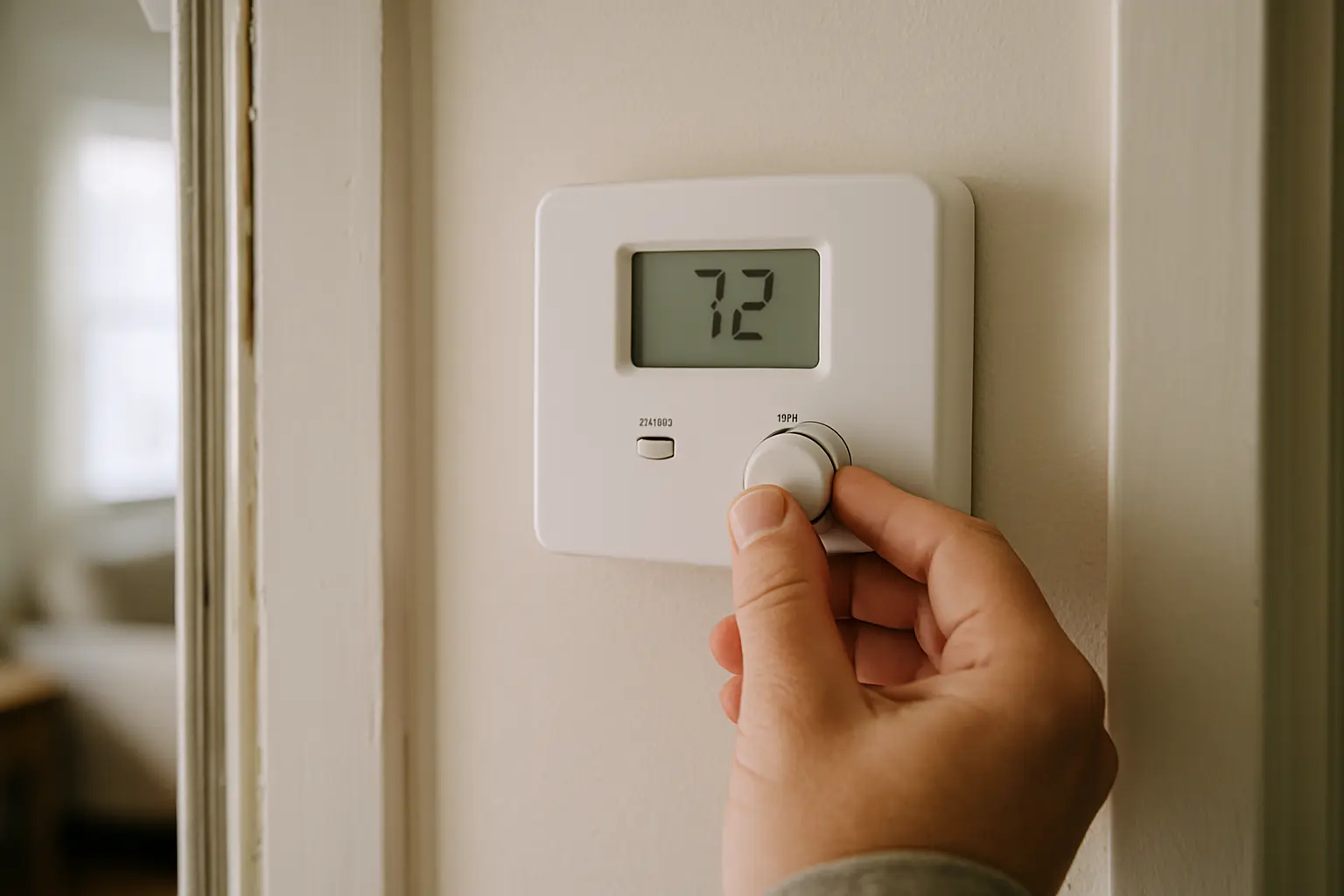
If you receive a disconnect notice, move even faster. Call the utility the same day, ask what stops disconnection, and then contact your local assistance office. In many situations, a payment plan request, pending aid application, medical documentation, or crisis program referral may help, but rules differ and no result is guaranteed.
3) Can renters, homeowners, and seniors use different strategies to lower the next bill?
Yes—your best next move depends on how you pay for service and what changes you are allowed to make.
Renters should focus on low-cost actions and clear communication. If the utility account is in your name, ask about a level-payment plan, reduced deposit requirements, and assistance options tied to your address. If utilities are billed through a landlord or included in rent with extra charges, request an itemized explanation of the increase and review the lease terms before paying disputed amounts. Keep all notices in writing.
Homeowners usually have the widest range of efficiency options. If the bill spike is not only from rates, ask the utility whether it offers a free or discounted home energy assessment, smart thermostat incentives, air-sealing support, or appliance rebates. You may also want to explore the federal Weatherization Assistance Program, which helps some eligible households improve efficiency and reduce energy costs over time. Official program details are available here: https://www.energy.gov/scep/wap/weatherization-assistance-program.
Seniors and people with medical needs should ask specifically about age-related consumer protections, medical certification procedures, and nonprofit referral programs. Some areas have stronger rules for households with older residents, serious illness, or medically necessary equipment, but those protections often require documentation. If a social worker, Area Agency on Aging, or case manager is involved in your care, let them know about the utility problem quickly.
The fastest savings often come from a mix of admin steps and small usage changes: verify the bill, stop fees from snowballing, and reduce avoidable cooling or heating waste.
Simple actions that may help trim the next bill include:
-
Replace or clean HVAC filters if your system uses them
-
Close blinds during peak afternoon sun
-
Use fans to raise comfort before lowering the thermostat further
-
Seal obvious drafts around doors or window frames with renter-safe materials if allowed
-
Wash laundry in cooler water when practical
-
Run major appliances during cooler parts of the day if your utility uses time-based pricing
-
Unplug old secondary refrigerators or freezers that are barely used
These steps may not erase a major rate increase, but they can reduce the amount added on top of it. If your utility has a peak-pricing or time-of-use plan, ask for a usage summary and see whether shifting a few habits would matter enough to justify the change.
Finally, save every confirmation email, application receipt, and phone note. If one program says you must first show a disconnect notice, hardship status, or a denied application elsewhere, those records become important. Organized paperwork can speed up referrals and reduce repeat calls.
4) What is the smartest order for this week’s utility-bill checklist?
Use a short sequence that prioritizes accuracy, service protection, and then longer-term savings.
-
Day 1: Review the bill line by line and compare it with a prior month or prior year.
-
Day 1: Log in to your utility account and look for rate notices, past-due amounts, and estimated reads.
-
Day 1 or 2: Call the utility and ask about payment plans, hardship options, and shutoff protections.
-
Day 2: Check official LIHEAP and local Community Action Agency resources for application instructions.
-
Day 2 or 3: If there is a medical issue, gather documents for any added consumer protections your state or utility requires.
-
Day 3: Ask about weatherization, home-energy assessments, or efficiency rebates.
-
Day 3 to 7: Make small usage changes that fit your home, lease, and health needs.
-
Day 7: Review what is pending, what was approved, and whether another call or document upload is needed.
If you need state-specific rules on hot- or cold-weather shutoffs, your public utility commission or consumer advocate office is often the best source. For example, Maryland’s weather restriction page is here: https://opc.maryland.gov/Consumer-Learning/Consumer-Rights/Weather-Restrictions.
Do not wait for a final shutoff warning if the bill already looks unmanageable. Earlier outreach usually leaves you with more options than last-minute calls.
Energy inflation may be the headline, but your own next move is what determines whether a high bill turns into a one-month strain or a deeper problem. Verify the increase, ask for account-level relief, apply for official assistance, and look for protections tied to weather, age, disability, or hardship. If you take those steps in order, you give yourself the best chance to lower near-term pressure and avoid service trouble.
If your costs are climbing, it may be worth checking local utility programs or assistance eligibility and comparing any available payment options today.