

Gas Costs Up? Utility Help Routes Worth Checking Now
When fuel prices climb, many households feel the squeeze in more than one place. The obvious hit is at the pump, but higher energy costs can also show up in electric, gas, or heating bills at home. That can be especially hard for renters, older adults on fixed income, working families juggling groceries and child care, and anyone already carrying a past-due balance.
The good news is that there are several real assistance paths people can compare. The important part is knowing that these programs do not all work the same way. Some are run through federal or state systems, some come directly from your utility company, and some help by lowering future usage instead of paying today’s bill. Funding windows, income limits, medical protections, and local rules can all matter.
If this recent jump in energy-related costs has you worried, the smartest move is not to wait until a disconnection notice arrives. Start by checking what type of bill problem you have, then match it to the right kind of relief. Below is a simple path to help you sort through the main options and take useful next steps.
Problem: Figure out what kind of utility pressure you actually have
Before applying anywhere, identify whether the issue is a one-time spike, an overdue balance, a seasonal heating or cooling burden, or a long-term affordability problem.
A lot of households jump straight to “I need bill help,” but programs often screen for different situations. If your costs rose only this month because of weather or a fuel-price surge, one approach may fit. If you have had trouble for several billing cycles, another route may be better. And if your home leaks air, has poor insulation, or uses an aging furnace, reducing energy waste may matter as much as immediate aid.
Small details on your current bill can point you toward the right help faster than starting with a generic application.
Start by reviewing these items on your latest statement or online account:
- Whether the balance is current, past due, or already in shutoff status
- Which utility is involved: electric, natural gas, delivered fuel, or combined service
- Whether your usage jumped, the rate changed, or both
- Any arrears, late fees, deposits, or reconnect charges
- Whether your household has a senior, young child, disability, or medical equipment need
- Any notice about payment arrangements, extreme-weather rules, or disconnection timing
This review matters because different households should check different doors first:
- LIHEAP may be worth reviewing for lower-income households needing heating or cooling help, but state rules and funding periods vary.
- People facing home energy waste should look at the Weatherization Assistance Program, which can support efficiency improvements through local providers.
- Anyone already behind on payments should contact the utility directly to ask about hardship programs, budget billing, due-date flexibility, or installment plans.
- Households with health risks or severe weather exposure should review local shutoff protections and utility commission guidance rather than assuming a disconnection can happen immediately.
Renters should not assume they are excluded. Many assistance programs can still apply if the renter pays utilities directly, and weatherization can sometimes help renter households through participating local agencies or landlord-approved work. Seniors and disabled adults may also find priority processing or seasonal protections in some areas, but they should confirm local rules rather than rely on word of mouth.
Timing is critical. Seasonal aid often opens for heating or cooling at specific points in the year, and some local agencies work through limited allocations. If the account is not yet delinquent, acting early can widen your options.
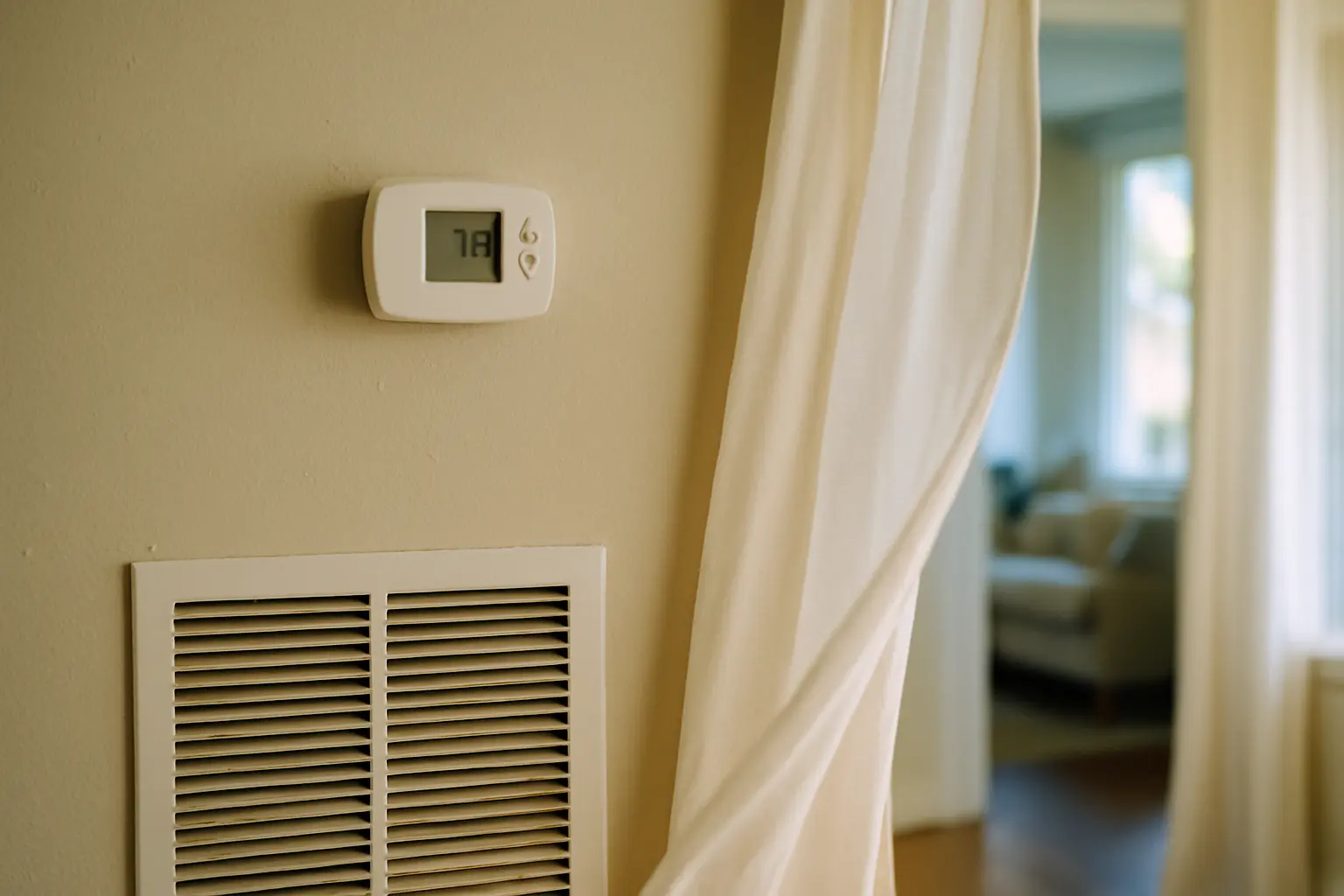
Options: Compare bill assistance, hardship arrangements, protections, and efficiency upgrades
Most households should compare more than one relief path at the same time because immediate payment help and longer-term savings often come from separate systems.
Here are the main routes to evaluate.
LIHEAP is one of the best-known energy assistance programs. It can help eligible households with heating or cooling costs, but each state administers it differently. That means income rules, required documents, benefit amounts, crisis assistance, and application periods can vary. For example, some states open cooling help seasonally, and some prioritize older adults, disabled people, or homes with very young children. In Washington, applications go through local agencies under the state’s LIHEAP administration page. Georgia has also published state-specific cooling opening details and documentation requirements through its Department of Human Services notice.
Utility hardship programs are another major option. These are not always branded clearly, and many customers do not realize they exist until they call. A utility may offer:
- Installment or deferred-payment plans
- Temporary late-fee relief
- Budget billing that smooths seasonal spikes
- Deposit waivers in limited cases
- Internal matching-grant or charity-backed assistance funds
- Special medical certification processes
Do not assume the only answer is a one-time grant; many utility companies also have account-management tools that can buy time and prevent extra fees.
If you are already behind, ask the company what happens if you pay part of the balance now and the rest over time. Ask whether an arrangement stops shutoff activity, whether future bills must be paid in full while on the plan, and whether any missed payment cancels the agreement. Those details can make a huge difference.
Then look at shutoff protections. These are highly state-specific. Some states or utilities have winter moratoriums, extreme-heat protections, notice requirements, or additional safeguards for vulnerable households. The LIHEAP Clearinghouse disconnect policy summary tracks many state approaches. Still, it is wise to confirm the current rule with your utility or state public utility commission, since policy details can change.
Finally, consider weatherization and energy-saving upgrades. Unlike bill assistance, this path aims to reduce what you need going forward. The federal Weatherization Assistance Program helps eligible households through local agencies with measures such as insulation, air sealing, and furnace-related improvements. The Department of Energy also notes that weatherization can produce meaningful annual savings for some households, though results depend on the home and services provided. State implementation varies; for instance, Pennsylvania and Minnesota each publish separate eligibility and provider information on their own sites.
If you rent, ask whether the program serves renter units and whether landlord approval is required. If you own your home, ask how long the waitlist is and whether emergency repair issues can be prioritized.
Next steps: Make a short checklist and apply in the right order
The fastest path is usually to gather your documents once, then contact both your utility and your local assistance agency instead of waiting to hear back from only one source.
Because rules differ by state and provider, a practical order helps. Try this sequence:
- Pull your latest utility bill and identify account number, shutoff date if any, current balance, and average monthly usage.
- Gather proof of income, ID, address, and any documents tied to disability, medical need, or household size if a program requests them.
- Call the utility first if you are near disconnection, and ask what can pause collections or stop shutoff while you seek aid.
- Find your local LIHEAP or community action agency and ask whether heating, cooling, crisis, or emergency assistance is open now.
- Ask about weatherization separately, even if you are also seeking bill relief.
- Check whether your state or utility has extreme-weather or vulnerable-household protections in effect.
- Write down every date, name, application number, and promise made on the phone.
Applying early and keeping records can matter just as much as income eligibility, especially when programs are seasonal or waitlisted.
When you call or apply, keep your questions simple and direct:
- Am I likely applying for regular assistance, crisis aid, or both?
- What documents are required right now?
- Is funding still available?
- How long is the processing time?
- Will the utility hold the account while my application is reviewed?
- Are renters accepted under this program?
- Is there a waitlist for home-efficiency services?
If you are not sure where to begin, your utility’s customer service line, a local community action agency, or your state’s human services or commerce department can usually point you to the right intake location. Just be careful with third-party ads or unofficial websites promising guaranteed approval. Real programs have rules, and nobody can promise that you qualify or that funding will still be available when you apply.
It also helps to think beyond this month’s bill. If fuel and energy costs stay elevated, budget billing, automatic alerts for high usage, thermostat adjustments, utility rate review, and weatherization can reduce repeat stress. Renters may also want to ask landlords about insulation, draft issues, or HVAC maintenance, especially if usage has climbed sharply without a change in routine.
One last note: a headline about rising gas prices does not mean every home utility bill will jump for the exact same reason. Electricity and heating costs depend on local fuel mix, rate design, weather, housing condition, and state regulation. But when broader energy costs are rising, this is a smart moment to check support options before the pressure gets worse.
If your bills are starting to feel tighter, compare local energy-aid routes and utility arrangements today while funding windows and payment options may still be open.