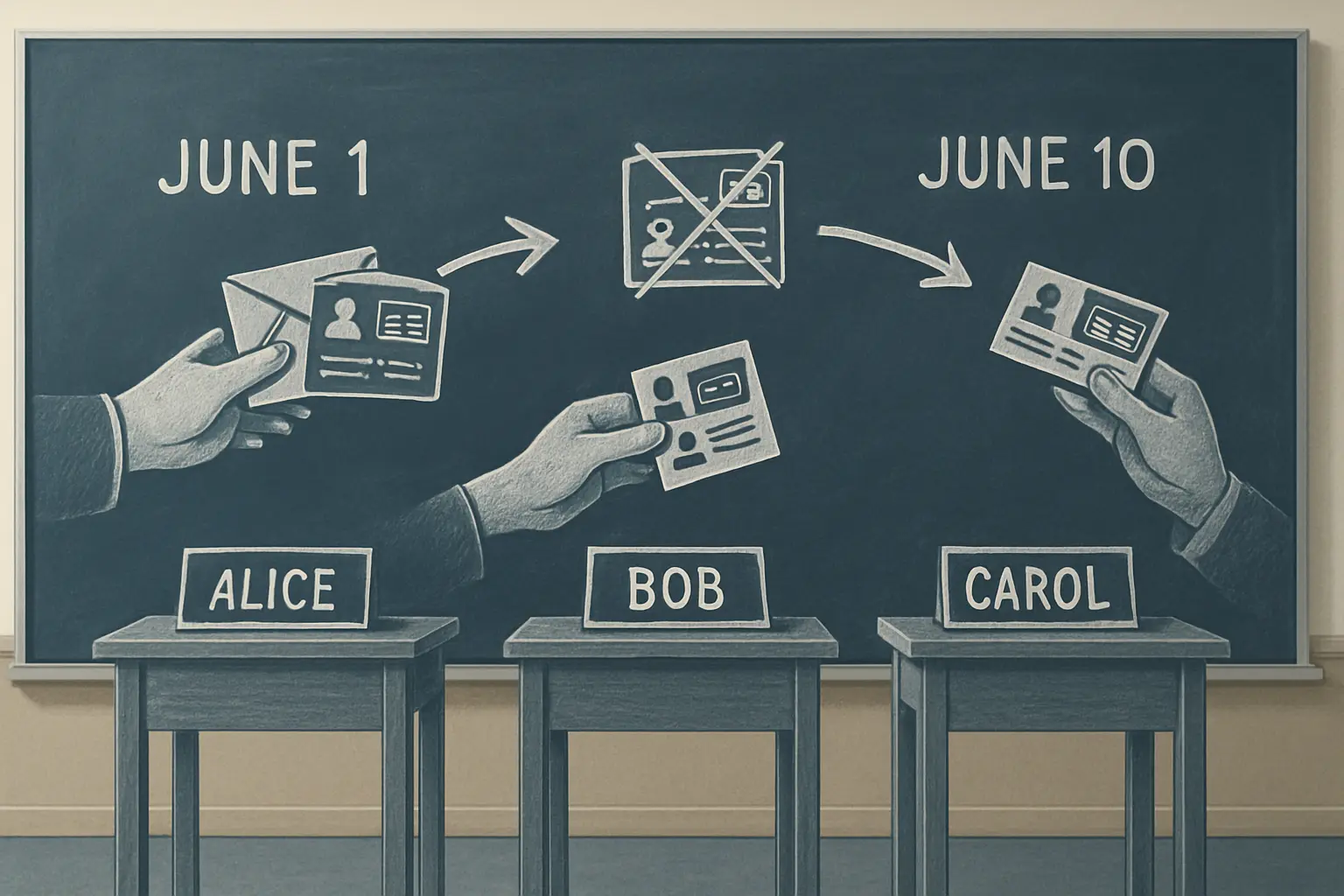

Handle a Debt Collection Transfer Without Missing Your Rights
A letter arrives from a company you have never heard of, yet it says it now handles an old balance with your name on it. That moment can be unsettling, especially if you were already making payments, thought the matter was closed, or do not recognize the business contacting you. When a debt moves from one collector to another, the most helpful first step is not panic or immediate payment. It is a careful check of who now claims the account, what records match the claim, and what your rights still look like.
This issue is a little different from a regular billing mistake. A transferred collection account can create confusion about who owns the debt, where to send money, whether the amount is correct, and how the account should appear on your credit reports. The safest path is organized and document-driven: verify the new collector, compare details with your own records, and challenge anything that does not line up.

Start by confirming the new company is real before you do anything else
A new name on a collection letter should always trigger a verification step before money changes hands.
If a debt account changes hands, the fastest mistake is paying first and checking later.
Debt accounts are often sold or reassigned, so hearing from a different firm is not automatically a scam. Still, it is smart to slow the situation down. Compare the letter, email, or call details against anything you already have from the earlier collector or the original creditor. Look for the account number, original creditor name, balance, and any notice explaining that servicing or collection rights changed.
If the company is new to you, do not rely only on the phone number in a voicemail or on a text link. Use the company name to search for an official website, mailing address, and contact information. Then compare those details with what appeared in the notice. Keep screenshots, envelopes, and copies of every message. If you were already paying someone else, check whether that earlier company sent any notice that the account was being moved.
The federal consumer watchdog explains that if you think you owe a debt but do not recognize the creditor or collector, you can ask for more information and request verification through its guidance on unrecognized debt collectors. That step matters because a real transfer should still leave a paper trail.
Useful items to compare right away:
- The original creditor listed
- The amount claimed
- The date of the notice
- Any reference to a transfer or sale
- Where prior payments were sent
- Whether the collector gives a mailing address for disputes
If the new company cannot clearly connect the account to your records, treat that as a sign to ask more questions before you agree to anything.
Make sure the balance and account details still match your records
When a collection account moves, the number owed and the payment history should still make sense on paper.
A transferred debt should not become a mystery just because the letterhead changed.
One of the biggest problems after a transfer is that borrowers assume the balance must be correct because a company put it in writing. That is not always true. Pull your old statements, settlement letters, payment confirmations, bank records, and any email or letter from the previous collector. Then match them against the new notice.
Pay attention to whether the amount appears higher than expected, whether any recent payment is missing, or whether fees or interest seem to have changed without explanation. If you were on a payment plan, check whether the new collector mentions that arrangement at all. If it does not, do not assume the old terms vanished, but do not assume they stayed the same either. Ask for a breakdown in writing.
The federal guidance on disputing a debt can help if key details do not match. A narrow dispute is often stronger than a broad complaint. For example, you might challenge the amount, the payment history, or whether the account is yours, rather than simply saying the whole thing feels wrong.
Create a short comparison page with:
- Original creditor name
- Old collector name, if any
- New collector name
- Last payment you made
- Balance shown before the transfer
- Balance shown after the transfer
- Any missing or duplicate charge
This kind of side-by-side check can reveal whether the issue is a simple handoff, an accounting error, or something more serious. It also helps you speak more clearly if you need to send a written dispute or ask the company to pause collection while details are reviewed.
Use your rights early if the collector’s story does not add up
You do not have to accept a transferred account at face value when the details are unclear or incomplete.
Asking for verification is not stalling; it is part of protecting yourself when an unfamiliar company contacts you.
If the account looks unfamiliar, the amount seems off, or the collector cannot explain the transfer clearly, request verification and keep the request in writing if possible. Save copies of what you send and what you receive back. The key is to be specific. Ask the company to identify the original creditor, the amount claimed, and records showing that it now has the right to collect.
The federal rules covering consumer rights with debt collectors are useful here. Those rights do not disappear because the account changed hands. A new collector still has to follow the law when contacting you. That includes limits on harassment and rules around how collection communications should work.
If you decide to dispute, focus on facts you can support. Examples include:
- You do not recognize the creditor listed
- The claimed amount does not match prior records
- A payment you made is missing
- The debt was settled or paid already
- The account number does not match your records
If you send a letter, keep a copy. If you submit through an online portal, save a screenshot before closing the page. If the collector calls, note the date, time, and who you spoke with. That record matters if the company keeps collecting without addressing the mismatch or if you later need to file a complaint.
A transferred account can move quickly from confusing to expensive if someone pays a wrong company, agrees to a wrong amount, or restarts contact without understanding the file. A short pause to use your rights is often the smartest move.
Check your credit reports so the transfer does not create new reporting problems
A collection transfer should not leave your credit file looking more damaged or more active than the facts support.
When one collector leaves and another appears, credit reporting should stay accurate rather than multiplying the same debt into fresh confusion.
After a debt moves, your credit reports may show the old collection entry, a new one, or updated status information. That does not always mean the reporting is improper, but it does mean you should review all three reports carefully. Pull your files from AnnualCreditReport.com and compare what each bureau shows.
Look for duplicate collection entries that make the same debt seem larger than it is, balances that do not match, or status updates that suggest a brand-new debt when it is really an old account with a new collector. Also check whether the original creditor entry changed in a way that conflicts with the collection listing.
If the reporting looks wrong, keep your documents organized and dispute the inaccurate entry with the bureau and, if needed, with the company furnishing the information. The most effective challenge usually points to one clear problem: duplicate reporting, wrong balance, wrong collector name, or account information that no longer reflects the true status.
Helpful credit-report review points include:
- Does the old collector still appear?
- Does the new collector appear too?
- Do both entries show the same debt?
- Are balances inconsistent?
- Does the account look newer than it should?
- Do the original creditor details still line up?
This step matters because collection transfers are not only about who calls you. They can also affect your ability to rent, borrow, or refinance later if the handoff creates messy reporting. A calm credit check now can prevent a longer cleanup later.
Take a short next-step plan so the account does not drift out of control
The best way to handle a moved collection account is to turn confusion into a written checklist within a few days.
Most transfer problems become easier to manage when you build a small file before more calls, letters, or deadlines pile up.
Start with a same-week plan. Day one, gather every notice from the old and new collectors. Day two, compare balances, dates, and account numbers. Day three, verify the new company through its official contact channels. Day four, send a written request for verification or a dispute if the details do not match. Day five, pull your credit reports and look for duplicates or other new reporting issues.
Keep your records in one folder, digital or paper. Save letters, screenshots, bank records, prior payment confirmations, and notes from calls. If you later decide to negotiate, settle, or file a complaint, that file will matter.
Use this checklist:
- Confirm the new collector is legitimate
- Match the debt details to your own records
- Ask for verification if the account is unclear
- Save all communication in writing when possible
- Check all three credit reports for accurate reporting
- Dispute any balance, identity, or reporting issue that does not line up
A debt handoff does not automatically mean something is wrong, but it does mean details can slip. The strongest response is not fear or silence. It is a careful review of who is contacting you, what they say they are owed, and whether the paper trail supports it. If a collector says your account has moved, this is a good time to check what is accurate, what needs challenging, and which rights may help protect your money today.