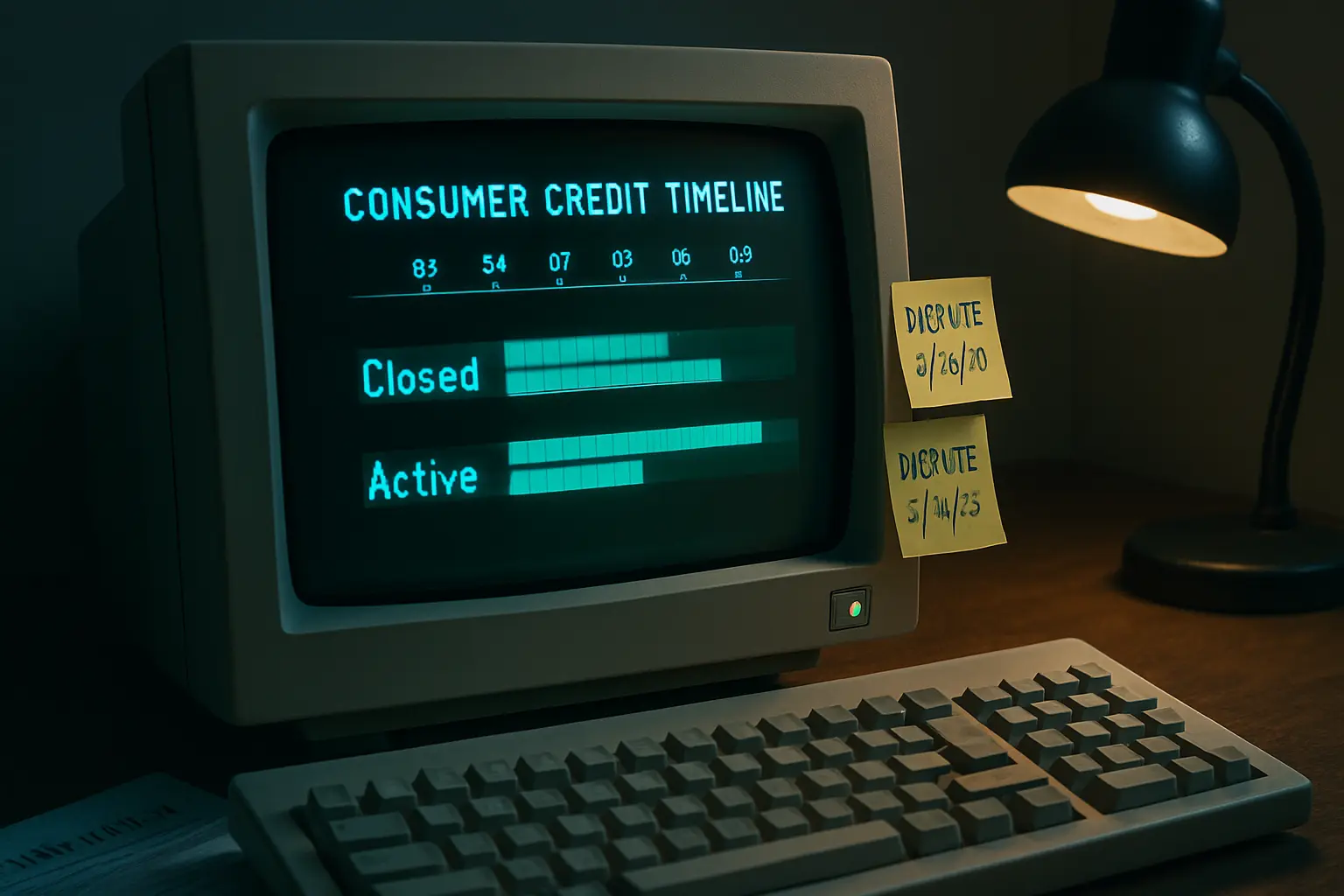

A Closed Credit Card Showed Up Again on Your Report? Do This
You check your credit file, expect the old card to stay buried in the past, and there it is again. A closed credit card account that seemed gone has popped back onto your report. That can feel confusing, especially if you were trying to rebuild credit, qualify for a loan, or simply keep old problems from following you longer than they should.
Sometimes the explanation is fairly ordinary. Credit bureaus update records, creditors correct account details, or a previously missing tradeline is added back after a data refresh. In other cases, the problem may be an outright reporting error. There is also a more serious issue to watch for: a creditor cannot legally change the original delinquency timeline just to keep a negative account on your report longer. That practice is often called re-aging, and it is not allowed. Experian notes that account re-aging means changing the first delinquency timing to stretch how long a debt appears.
This situation is different from simply choosing a payoff strategy or comparing credit products. Here, the goal is to verify whether the returned account is accurate, whether the dates make sense, and what steps may help you get incorrect information fixed before it affects your next application.
Why an old card can appear again without warning
The most important first step is figuring out whether the account returned because of a legitimate update or because something is being reported incorrectly.
A reappearing credit card is not automatically proof of wrongdoing, but it is always worth checking line by line before you ignore it.
A closed account can show up again for a few different reasons. A credit bureau may have refreshed data from the lender. A creditor may have corrected the account status, balance history, or payment record. In some cases, the account never truly vanished from every bureau, and you are only noticing it now because you looked at a different report or a different credit monitoring service.
That said, there is a line between a valid update and an improper one. If the account was negative, the key dates matter. The most important date is usually the one tied to when the account first went seriously delinquent and never recovered. That timeline helps determine how long the negative item can remain. If that date appears newer than it should, the account may look fresher and more damaging than it really is.
Closed positive accounts can also stay on a report for years. Experian says closed accounts may remain listed for a long period, including up to 10 years in some good-standing cases. So the question is not simply, “Why is a closed card there?” The better question is, “Is it being reported accurately, and does the timing match what really happened?”
Before doing anything else, compare the details on all three reports. Pull your files from free annual credit reports and write down:
- The account status
- The balance shown
- The payment history
- The date opened
- The date closed
- Any delinquency timing shown
If the account appears on only one bureau, that alone tells you something useful. If all three reports show the same suspicious timing, the creditor may be furnishing the same bad data across the board.
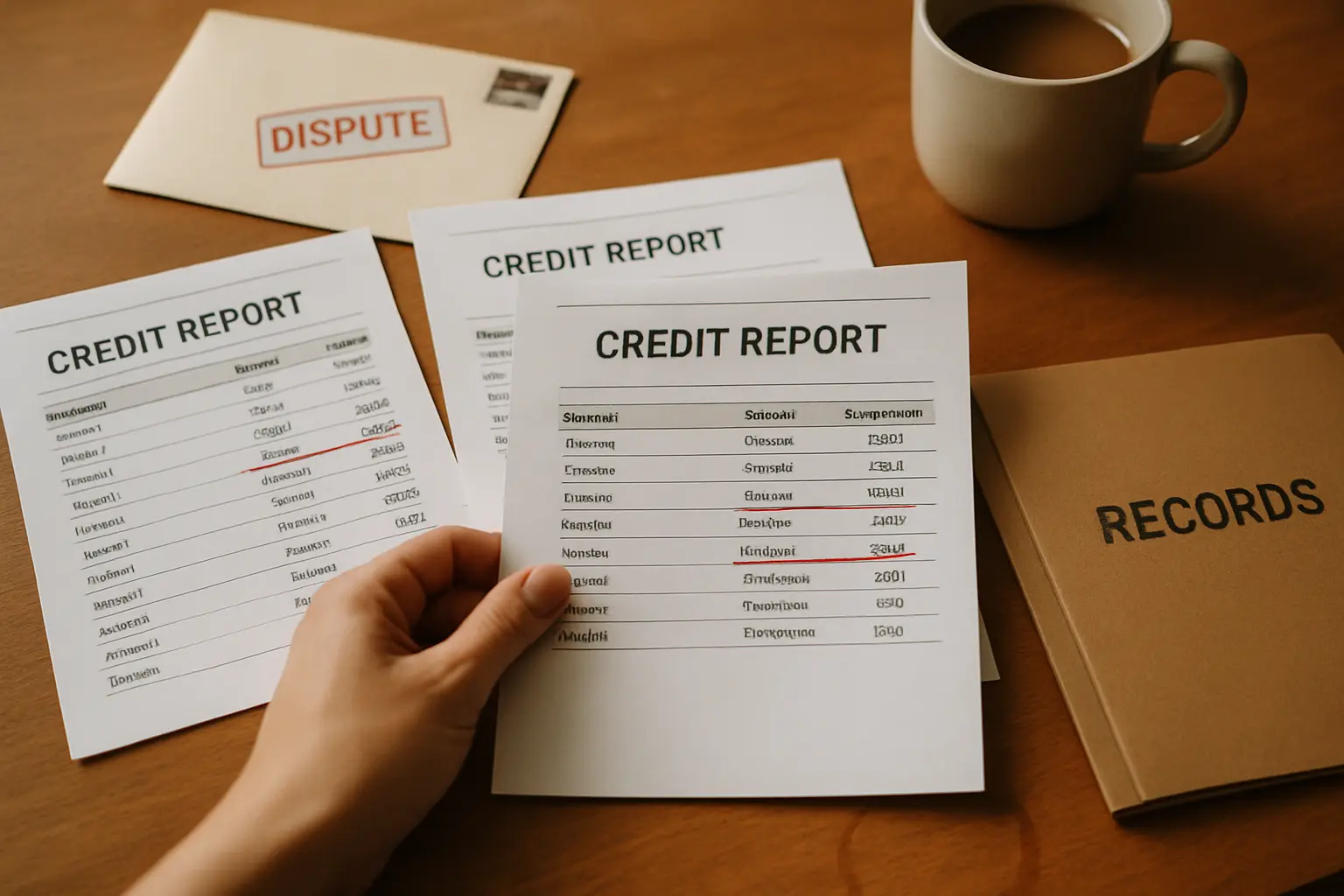
Which details matter most when you review the account
The dates and status codes tell a much clearer story than the account name alone.
If an old debt suddenly looks newer, more active, or more delinquent than you remember, that is the part to challenge first.
Many people focus on the scary part, which is seeing the account name again. The real evidence sits in the fields attached to it. Look carefully at whether the account says closed, charged off, transferred, sold, or paid. Then look at whether the balance makes sense. A sold debt might show a zero balance with the original creditor, while a collection account may appear separately. If both are reported, the descriptions should still be consistent rather than duplicating the same debt in a misleading way.
The next item is the delinquency timeline. If you have old statements, letters, settlement documents, or even saved screenshots from earlier reports, compare them. You want to know whether the account now shows a later first serious missed-payment date than it did before. That is the kind of shift that can keep the account visible longer and weigh on your file more heavily.
Also check whether the account now reports recent activity that does not fit reality. A closed card should not look newly opened. A debt you settled should not appear unpaid if you have proof otherwise. And a dormant tradeline should not suddenly appear with a changed status unless there is a real correction behind it.
Use this quick review list:
- Does the closed date match your records?
- Does the balance look accurate?
- Does the payment history line up with what happened?
- Does the account look older or newer than before?
- Did the account return after a dispute, settlement, or payoff?
- Do you have letters, statements, or prior report copies that show different dates?
If you no longer have records, do not give up. You can still challenge inaccurate reporting, but any paperwork you saved will make the dispute stronger and easier to explain.
How to challenge the entry if the information looks wrong
If the returned account contains inaccurate dates or status details, dispute it with the bureaus and keep your own paper trail.
A short, documented dispute built around specific inaccuracies is usually stronger than a broad complaint that only says the account should not be there.
If the account information looks off, file disputes with the credit bureaus reporting it. The Consumer Financial Protection Bureau explains how to challenge an error on a credit report. You can also dispute directly with the company that supplied the information.
Be specific. Do not just say, “This account reappeared and I want it removed.” Instead, explain what is inaccurate. For example, note that the closed account is showing an incorrect delinquency timeline, an inaccurate balance, or a status that does not match your records. Attach copies of supporting documents if you have them, such as payoff letters, settlement confirmations, earlier report copies, or billing statements.
Good dispute habits include:
- Submitting one dispute for each bureau showing the error
- Saving screenshots and confirmation numbers
- Uploading only the documents that support your point clearly
- Keeping copies of every letter or response
- Writing down the dates you filed and when replies arrive
If you send a written dispute by mail, use a method that gives you proof of delivery. If you dispute online, save PDFs or screenshots before the form disappears. A returned account can affect credit decisions while the dispute is pending, so documentation matters.
If the bureau verifies the account but you still believe the reporting is wrong, review the response closely. Sometimes the answer is vague. That may be a sign to dispute again with sharper documentation or to contact the furnisher directly. The point is not to keep filing the same complaint repeatedly. It is to narrow the dispute to the exact field that appears inaccurate and support it as clearly as possible.
What to do while the dispute is being reviewed
Do not let one suspicious tradeline push you into rushed credit decisions while the record is still being checked.
The smartest move during a reporting dispute is often to protect the rest of your file so one problem does not turn into several.
While you wait, pull back from optional credit applications if you can. A reappearing negative card could temporarily affect your score or how a lender views your file. If you are about to apply for a mortgage, auto loan, apartment, or new credit card, it may help to resolve the reporting issue first if timing allows.
This is also a good time to strengthen the rest of your report. Keep current accounts paid on time, avoid running card balances too high, and check whether there are any other errors sitting in your files. If the old account is the only major problem, keeping everything else steady may limit the damage.
If you are facing an urgent application, consider gathering proof of your dispute and any supporting records in case a lender asks questions. That will not force an approval, but it may help explain why the account is under review.
Use this same-week plan:
- Download all three credit reports
- Mark the exact fields that look inaccurate
- File disputes with the affected bureaus
- Dispute with the furnisher if needed
- Save every confirmation and response
- Pause unnecessary applications until the review is complete if possible
- Watch for updates on all three reports, not just one
If the account is corrected or removed, save a copy of the updated report. If it comes back again later, that record may help you show the earlier change.
An old credit card account showing up again does not always mean the worst-case scenario. Sometimes it is a routine data correction. Sometimes it is a real reporting problem that deserves a firm challenge. The practical answer is the same either way: check the dates, compare the details, and dispute anything that is inaccurate before it quietly drags on your file longer than it should.
If a closed account just returned to your credit report, now is a good time to review your full file and see which dispute, repair, or savings steps may fit your situation today.