
Trying to Cut Credit Card Interest This Fall? Choose the Better Offer
Fall can feel like a reset season. Summer travel, school costs, and holiday planning start colliding, and a credit card balance that seemed manageable in June may feel a lot heavier by September. At that point, two offers often stand out: a card with a no-interest intro period for new spending, or a card built for moving old debt over at a temporary low rate.
Both can help in the right situation, but they solve different problems. A zero-interest purchase card is usually aimed at future spending. A balance transfer offer is usually aimed at debt you already have. Choosing the wrong one can mean paying fees, missing payoff deadlines, or watching the regular rate kick in before the balance is gone.
If you are comparing zero-interest vs balance transfer credit card offers for fall debt relief, the best move is to match the card to the problem first, then read the terms closely enough to see the real cost.

Know which problem you are trying to fix before you apply
The smartest first question is whether you need help with old balances, new spending, or both.
A card with a promotional rate can create breathing room, but only if the offer matches the kind of debt pressure you actually have.
This is where many people get tripped up. A purchase APR promotion can be useful if you expect a necessary expense this fall and have a realistic plan to pay it down before the regular rate starts. A balance transfer offer can make more sense if your biggest problem is interest piling up on debt that is already sitting on another card.
Start with a short debt check. List each card balance, its current annual percentage rate, minimum payment, and whether you expect to add more charges in the next three months. That will show whether you are mainly trying to stop current interest or avoid new interest.
Useful situations for each option often look like this:
- A zero-interest purchase card may fit if a household expects a planned expense and can avoid carrying a balance past the promo window.
- A balance transfer card may fit if high-rate debt is the main strain and the goal is focused payoff.
- Neither may be ideal if income is too tight to make real progress during the promotional period.
This also matters because many cards combine both features, but not always on the same terms. A card may offer one intro period for purchases and another for transferred balances. It may also treat the deadline for moving a balance much more strictly than the headline ad suggests.
Look past the teaser rate and calculate the full price of the move
The real comparison is not just 0% versus 0%, but fee plus timeline plus the rate that arrives later.
A temporary rate can still be expensive if the transfer fee is large or the remaining balance hits a very high standard APR after the offer ends.
Many people focus only on the introductory rate and miss the math that matters most. Balance transfer cards often charge a fee based on the amount moved. Even if the promo APR is 0%, that fee can make the transfer less attractive if the intro period is short or the balance is small. Meanwhile, a purchase card with no transfer benefit may do nothing for debt you already owe.
When comparing cards, write down four numbers for each offer:
- Length of the intro period
- Balance transfer fee, if any
- Regular APR after the promo ends
- The monthly payment needed to clear the balance before that date
A quick example helps. If someone transfers $4,000 and the fee is 3%, that adds $120 right away. If the intro period is 12 months, the balance would need to drop by about $333 per month to avoid interest after the promotion. If that payment is unrealistic, the card may not solve much.
By contrast, if the main concern is keeping a new fall expense from growing interest for a few months, a purchase offer might cost less overall because there is no transfer fee. The catch is that it does not lower the rate on older debt sitting somewhere else.
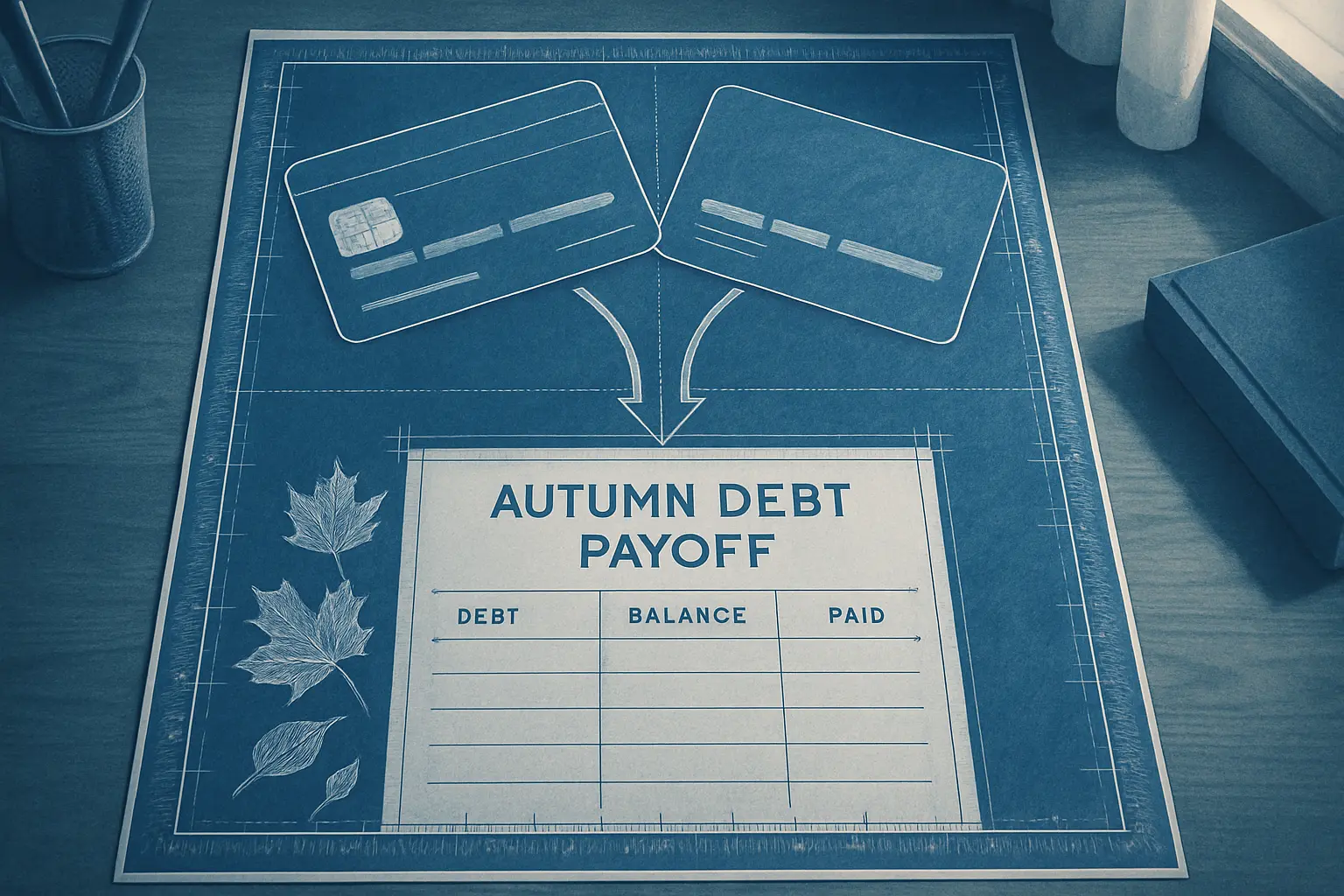
That is why a comparison chart on paper is still one of the best consumer tools. It slows down a decision that marketing is designed to speed up.
Watch for rules that can shrink the value of a balance transfer offer fast
Some of the most important terms are the ones buried below the large promo headline.
A balance transfer offer can look generous until you notice the transfer must be completed quickly, the credit line is smaller than expected, or new purchases start accruing interest right away.
There are a few common catches worth checking before you apply. First, the full amount you want to transfer may not fit inside the credit line you are approved for. Second, many issuers require the transfer to be requested within a short opening window to get the promotional rate. Third, new purchases on a balance transfer card may not get the same treatment unless the card also includes a purchase promotion.
That means a balance transfer card can work best when it is treated like a payoff tool, not an everyday spending card. If you keep using it for groceries, gas, or holiday shopping, the account can become much harder to untangle.
Here are good questions to check before applying:
- How many days do you have to request the transfer?
- Does the intro APR apply to purchases too, or only moved balances?
- What fee applies to each transfer?
- Will a smaller approved limit make the transfer less useful?
- What APR applies after the intro window closes?
This is also where careful budgeting matters more than card shopping. If a card reduces interest but not the underlying overspending pattern, the relief may only be temporary. A cleaner result usually comes when spending is tightened while the lower-rate window is active.
Think about the credit score tradeoff before opening anything
A new card can help with debt costs, but it can also affect your credit profile in the short run.
Opening fresh credit may improve utilization over time, yet the application and new account can still create a temporary score dip for some borrowers.
Credit impact is one of the most overlooked parts of this decision. Applying for a new card can create a hard inquiry, lower the average age of accounts, and change total available credit. For some people, that tradeoff is fine. For others, especially anyone preparing for a mortgage, car loan, or apartment application, timing matters.
There is a possible upside too. If a balance transfer lowers the share of total credit being used and you do not run up other cards again, your overall credit picture may improve later. But that depends on behavior after the approval, not just the offer itself.
It helps to pause and ask:
- Will you need to apply for another major loan soon?
- Are your current balances already close to the limit?
- Could the new card lower utilization if you avoid adding fresh debt?
- Would one denied application make the situation more stressful?
If approval feels uncertain, consider checking whether the issuer offers a prequalification tool. That does not guarantee final approval, but it may help narrow the field before a formal application. Some readers may also benefit from reviewing their credit reports first through free credit reports so old errors or outdated balances do not complicate the choice.
Anyone unsure whether the payment plan is realistic may also want to explore help from a nonprofit credit counseling agency. That is not a card offer, but it can help clarify whether moving balances is likely to solve the problem or just shift it around.
Make a fall payoff plan before the intro period starts ticking
The offer matters, but the payoff schedule is what decides whether the savings actually happen.
The easiest way to waste a promotional rate is to accept it without setting the monthly payoff target on day one.
Once a card is approved, the countdown starts. That means the most useful next step is not admiring the lower rate. It is building a payoff routine while the terms are still favorable. Divide the transferred balance or planned purchase amount by the number of promo months, then round up. Put that target into the household budget right away.
A practical fall checklist looks like this:
- Match the card type to the problem: old balance or new expense
- Write down the fee, promo length, and regular APR
- Calculate the monthly payment needed to finish before the deadline
- Avoid adding new charges unless the card is built for that too
- Set calendar reminders for when the intro rate expires
- Review whether another debt tool would fit better if the payment is not realistic
For many households, the better choice is the one that makes the plan simpler. If the main goal is clearing high-rate debt, a dedicated transfer card may be the cleaner path. If the goal is avoiding interest on a necessary fall purchase, a purchase promotion may fit better. And if neither plan leaves enough room to pay things down meaningfully, it may be wiser to pause and look at broader budget relief first.
Credit card promotions can create useful short-term breathing room, but only when the details and the budget line up. If you are comparing offers this season, check which type of card truly fits your debt pressure today before the fine print decides for you later.