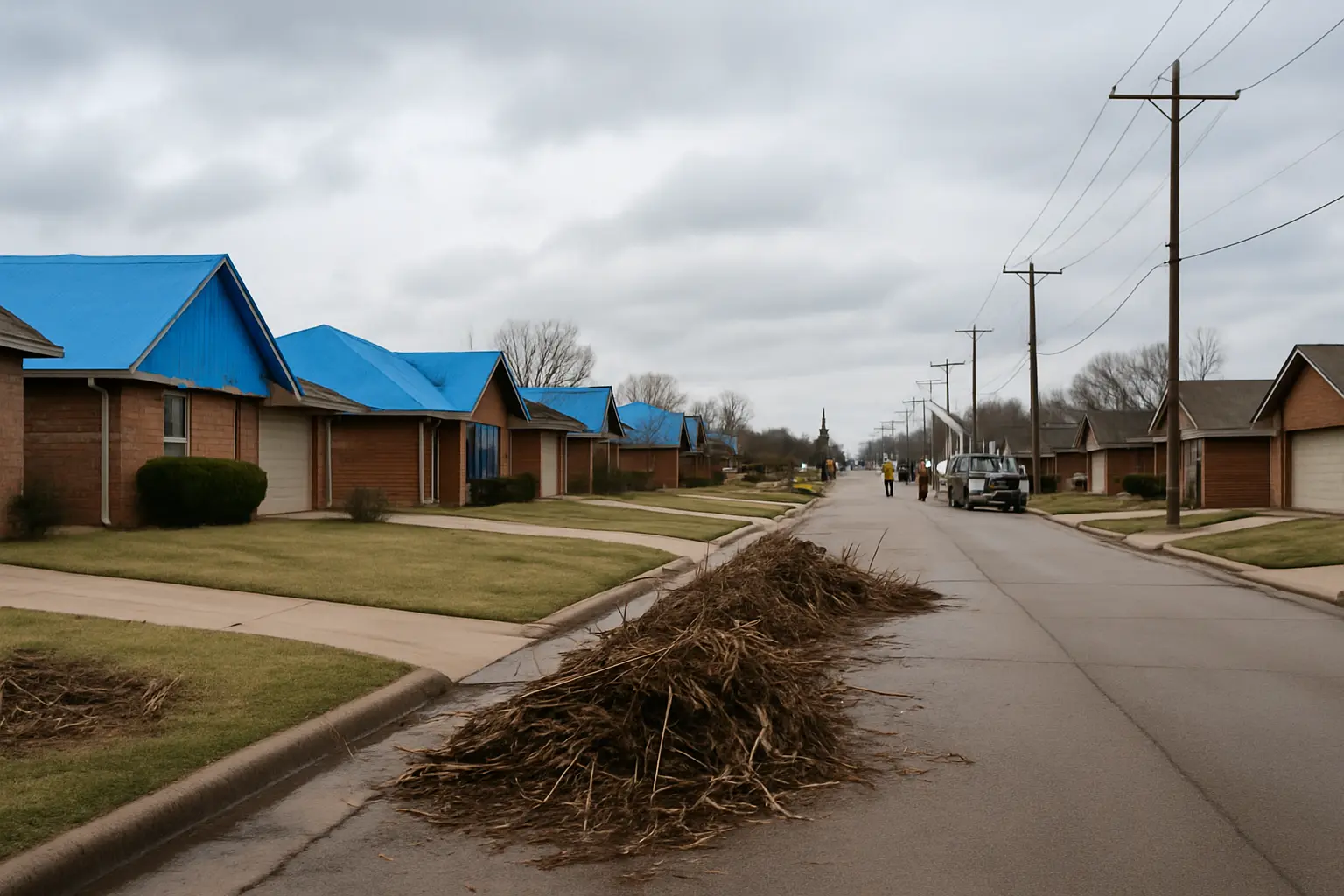

Oklahoma Tornado Recovery: Home Repair Help Worth Checking
When a tornado tears through a community, the first financial question is often simple and urgent: how do you actually pay to make your home livable again? In the wake of severe storm damage affecting parts of Oklahoma, many households may discover that one source of help is not enough. Insurance may leave a deductible gap. Temporary housing costs can pile up. Personal property losses may not be fully covered. Renters may assume there is no path for repair or replacement help when there may be several options to review.
The good news is that recovery aid is often layered. A homeowner might use insurance first, then apply for federal disaster help, then review a disaster loan, then seek local nonprofit rebuilding support. A renter might not get home structure repairs covered directly, but may still have options for personal property loss, temporary housing needs, or other disaster-related expenses. The key is moving in the right order, keeping records, and using official channels instead of rumors spreading after a storm.
Below is a practical checklist-style explainer for people trying to understand what relief routes may be available after tornado damage in Oklahoma. Not every program will apply to every household, and approval is never guaranteed, but knowing where to start can save time when deadlines and inspections begin moving fast.
1. What should you do before chasing any relief program?
Start with documentation and your insurance file, because nearly every other form of assistance will ask what damage occurred and what insurance will or will not cover.
Take photos and video of every damaged area before cleanup advances too far, and save receipts for emergency spending such as tarps, hotel stays, meals tied to displacement, and urgent safety repairs.
If your home or belongings were affected, begin by making a room-by-room record. Photograph structural damage, roof issues, broken windows, soaked drywall, damaged appliances, flooring, furniture, electronics, and vehicles if relevant to another claim. If you already started cleanup for safety reasons, keep photos of debris piles and damaged materials if possible. Create a simple list describing each item and whether it can be repaired or only replaced.
Then review your homeowners or renters policy. Look for:
- Your deductible amount
- Dwelling coverage for home structure damage
- Personal property coverage
- Loss-of-use or additional living expense coverage
- Exclusions, limits, and special sub-limits
- Claim reporting deadlines and adjuster contact details
If you are unsure what your policy covers, contact your insurer and ask for a plain-language explanation of what applies to wind or tornado loss, temporary repairs, debris removal, and displacement costs. Write down the date, time, and name of the representative. Ask how emergency mitigation should be handled so you do not accidentally create a dispute over later repairs.
The Oklahoma Insurance Department storm-damage guidance is a helpful state source for claim basics and complaint assistance. Oklahoma residents can also review the Disaster Insurance Claim Tip Sheet for practical guidance on documenting loss, proving ownership or occupancy, and responding if an insurer delays or underpays a claim.
If your insurer says a loss is only partially covered, do not stop there. That is often the point where people should begin checking other recovery options. Insurance and disaster aid do not always duplicate each other, but a shortfall in one area may still leave room to seek help elsewhere.
One more step matters early: protect the property from further damage if it is safe to do so. Temporary tarping, boarding windows, shutting off unsafe utilities, and removing immediate hazards may help reduce additional losses. Keep receipts and take pictures before and after any emergency work.
Also gather the documents many disaster programs request: photo ID, Social Security numbers if applicable, proof of occupancy, proof of ownership or lease, insurance declarations page, banking details for direct deposit, and a written list of damages. Having this ready can shorten the application process later.
2. If insurance does not cover everything, what official help may come next?
Check whether a disaster declaration applies to your county, because that can open the door to state-coordinated response, FEMA registration, or other federal recovery channels.
Disaster help often moves in sequence: state action can trigger broader aid, and federal assistance may require documentation showing both storm damage and what insurance has already paid or denied.
Oklahoma has already announced disaster emergency action for Garfield and Kay counties following recent tornadoes, winds, and flooding through the governor’s office. You can review that update here: Governor Stitt disaster emergency notice. A state declaration does not automatically mean every form of federal household assistance is open immediately, but it is an important sign that residents should watch for next-step announcements.
If a federal disaster declaration for individual assistance becomes available for your area, households may be able to apply through DisasterAssistance.gov or other FEMA channels. FEMA assistance is not the same as full insurance replacement, and it does not promise to make every household whole. But it may help eligible applicants with certain uninsured or underinsured necessary expenses tied to the disaster.
Examples can include temporary housing needs, certain home repairs to make a residence safe and functional, or other qualifying essential losses. Requirements vary, and FEMA commonly asks for insurance information because it generally cannot duplicate benefits paid by insurance.
For housing-related recovery, the state’s Oklahoma Disaster Housing Strategy is useful background reading. It explains that in some disaster situations, homeowners whose homes are destroyed may have access to replacement-related aid up to program caps under certain conditions. It also notes that renters may have routes for damaged personal property through disaster loan programs.
This is where many households miss a major option: the U.S. Small Business Administration disaster loan program. Despite the name, these loans are not only for businesses. The SBA disaster loan assistance page explains that homeowners and renters in declared disaster areas may be able to seek low-interest loans for losses not fully covered by insurance. Homeowners may review loans for repairing or replacing disaster-damaged real estate and personal property; renters may review loans for personal property losses.
Why does this matter even if you do not want a loan? In many disaster setups, completing the SBA application process can be a gateway step. Oklahoma emergency management has long noted that people who are declined for an SBA disaster loan may then be referred for consideration under certain FEMA Other Needs Assistance categories where eligible. That does not mean everyone should borrow, and it does not mean everyone will qualify for grant help after a denial. It simply means skipping the application too early can sometimes close off additional review paths.
Beyond federal channels, local and regional help can emerge quickly after storms: city relief funds, county emergency support, community foundations, faith-based repair teams, and charity rebuilding organizations. These can be valuable for debris cleanup, accessibility repairs, appliance replacement, roofing help, or volunteer labor. But local funds are often limited, targeted, or first-come, first-served. Use city, county, school district, and trusted nonprofit pages rather than social media posts alone to verify whether a program is real and whether it serves your address.
If you are a renter, ask specifically about assistance for displacement, damaged essential belongings, and temporary housing. Many renters wrongly assume aid is only for homeowners. Structure repair is usually the landlord’s issue, but renters may still have serious losses worth documenting and reporting.
3. How do you avoid delays, denials, or missed deadlines?
The most useful habit is to build one recovery folder and update it every time you speak with an insurer, inspector, agency, landlord, lender, or nonprofit.
After a major storm, the households that move fastest are not always the ones with the biggest losses; they are often the ones with the clearest records and the fewest missing documents.
Create a paper folder, digital folder, or both. Inside it, save:
- Photos and videos of all damage
- Your insurance policy and claim number
- Adjuster reports and letters
- Email screenshots and call notes
- Receipts for emergency purchases and repairs
- Hotel, food, storage, and transportation costs tied to displacement
- Proof of address, occupancy, and ownership or lease
- Contractor estimates from licensed professionals
- Applications submitted to FEMA, SBA, charities, or local funds
Be careful with cleanup and contractor hiring. Storm-chasing repair crews can appear before insurance scope decisions are clear. Get written estimates, verify licensing where required, and avoid large upfront cash payments unless you fully understand the contract. If a contractor wants you to sign over insurance proceeds immediately, slow down and review the agreement carefully.
When you speak with your insurer, ask specific questions instead of broad ones. For example:
- What part of the loss is covered?
- What part appears excluded or capped?
- What documents are still needed?
- When will the inspection report be available?
- How are temporary living expenses handled?
- What is the process if I disagree with the estimate?
If you feel a claim is being unreasonably delayed or mishandled, the Oklahoma Insurance Department may be able to assist with complaints or consumer guidance. Legal-help resources may also explain your rights if a claim stalls. That does not mean every denial is improper, but it does mean you do not have to guess alone.
Timing matters across all programs. Insurance policies may require prompt notice. FEMA registration windows can close. Inspections may be delayed if you throw away everything before documenting it. Local grants may run out quickly. Nonprofit rebuild slots may be prioritized for seniors, families with disabilities, or households with the most severe damage. Even if you are not sure you qualify, starting the application process early usually gives you more options than waiting for perfect information.
If you have a mortgage, contact your servicer too. Ask how insurance claim checks are endorsed and released, whether temporary forbearance is available if the home is unlivable, and what documents are needed during repair. If you rent, notify the landlord in writing, keep copies, and ask for a timeline on habitability, repairs, and lease obligations if the unit is unsafe.
A practical order for many households looks like this:
- Document all damage immediately
- File the insurance claim
- Review state and county disaster updates
- Apply for FEMA if individual assistance opens
- Review and consider an SBA disaster loan application if available
- Search local charities and rebuilding groups
- Track every expense and every call
That layered approach will not erase the hardship, but it can help reduce the repair gap many families face after a tornado.
If your household was affected, it may be worth checking official assistance pages and current repair options today while openings, inspections, and pricing are still changing.