Not Sure What 2027 May Bring for Personal Loans? Shop Smarter Now
A loan ad pops up, promises a quick answer, and suddenly it feels like borrowing should be simple. But with 2027 still ahead and no announced federal overhaul for personal lending as of July 31, 2026, the safest move is not waiting for a rule change that may or may not come. It is learning how to compare offers carefully right now.
This topic is a little different from recent lender-comparison pieces. Instead of choosing between one borrowing source and another for a summer expense, the real goal here is building a safer shopping process before signing anything. That matters for workers covering repairs, families smoothing out bills, older adults avoiding high-fee products, and younger borrowers using a personal loan for the first time.
Current consumer protections already matter a lot. Federal disclosure rules, fair-lending rules, and credit-report access give borrowers tools to slow things down and read the fine print before debt becomes a longer problem. If new guidance arrives later, great. Until then, a careful borrower can still reduce risk by sticking to a smart sequence: learn the rules, compare lenders, test the payment against the household budget, and keep records.
Start with the protections that already exist before you trust any 2027 headline
The safest borrower is usually the one who understands current rights before reacting to future-looking loan marketing.
Even without a new federal package for 2027, personal loan shoppers already have disclosure and fair-treatment rules worth using.
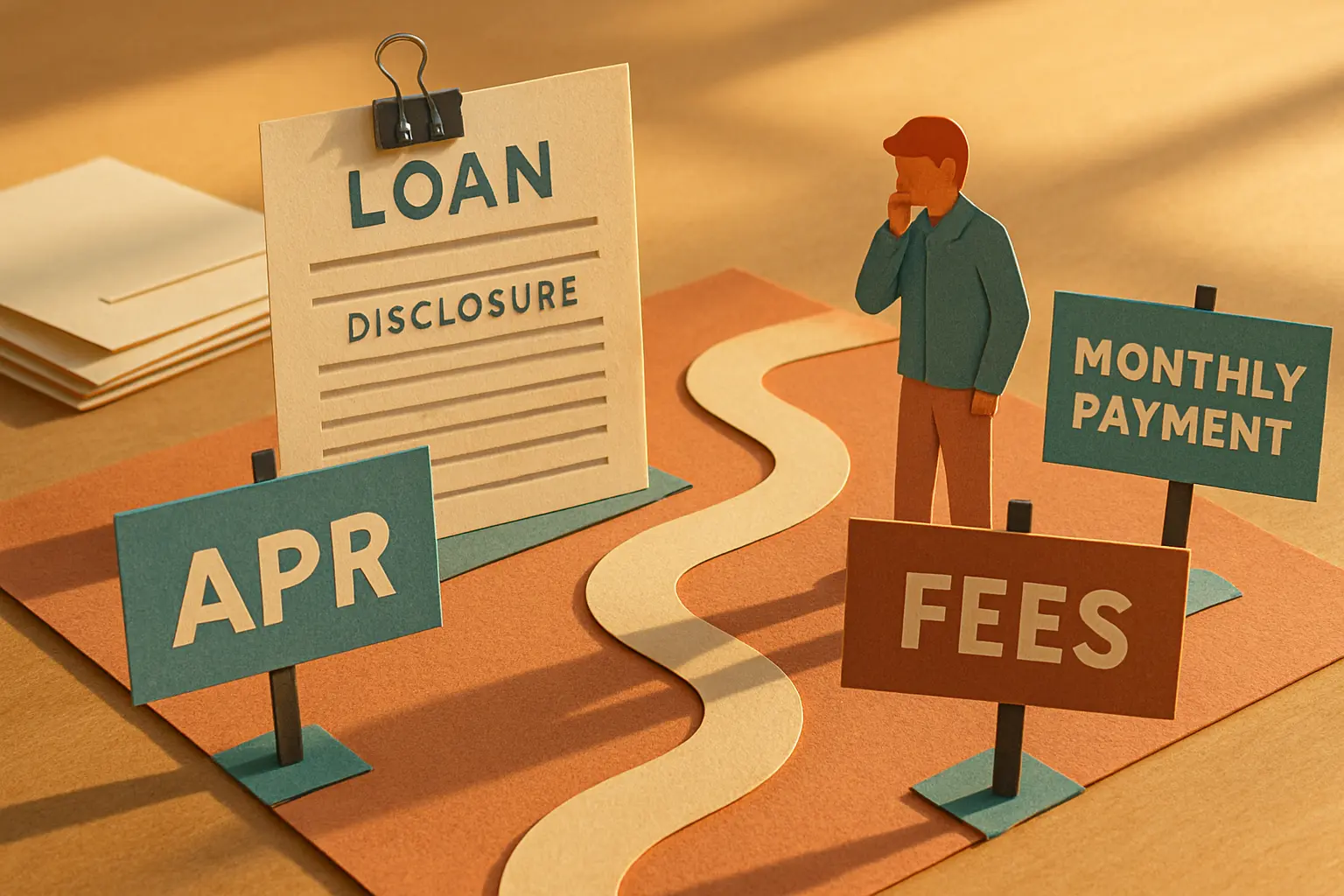
If a lender offers a personal loan today, the first layer of protection is not a rumor about next year. It is the law already on the books. The Truth in Lending disclosure is meant to show important borrowing terms clearly, including the annual percentage rate, finance charges, total amount financed, and payment schedule. That makes it easier to compare one offer against another instead of focusing only on a monthly number in an ad.
Borrowers should also know that the Equal Credit Opportunity Act protections help guard against discrimination in lending. That does not mean every denial is improper, but it does mean applicants have rights when credit decisions are made. If an application is denied or a lender offers worse terms than expected, the notice may tell you why.
This is also a good time to monitor the consumer finance watchdog for updates, scams, and enforcement actions. If personal lending rules do change later, that is one of the best official places to confirm it. For now, focus on what you can verify today: the APR, fees, repayment term, and whether the lender is explaining the contract in plain language. If the disclosure feels rushed or incomplete, that is already useful information.
Compare the lender, not just the advertised rate
A low quoted rate means less if the offer includes fees, pressure tactics, or terms that become painful after funding.
The right comparison is total borrowing cost from a lender you can verify, not the flashiest promise in your search results.
Once you know the basic protections, the next step is choosing where to shop. Personal loans can come from banks, credit unions, and online lenders. Each may work well in the right situation, but safety comes from checking more than speed. Use official sites and look for a lender’s fee details, payment examples, hardship options, and customer service channels before applying.
Credit unions can be worth a look because they may offer competitive rates and member support, especially for borrowers with steady income and time to compare. The credit union overview is a helpful refresher if that route is unfamiliar. Online lenders may be faster and easier to compare, but they vary widely in fees and approval standards. Either way, ask whether there is an origination fee, late fee, prepayment penalty, or any deduction from the amount you actually receive.
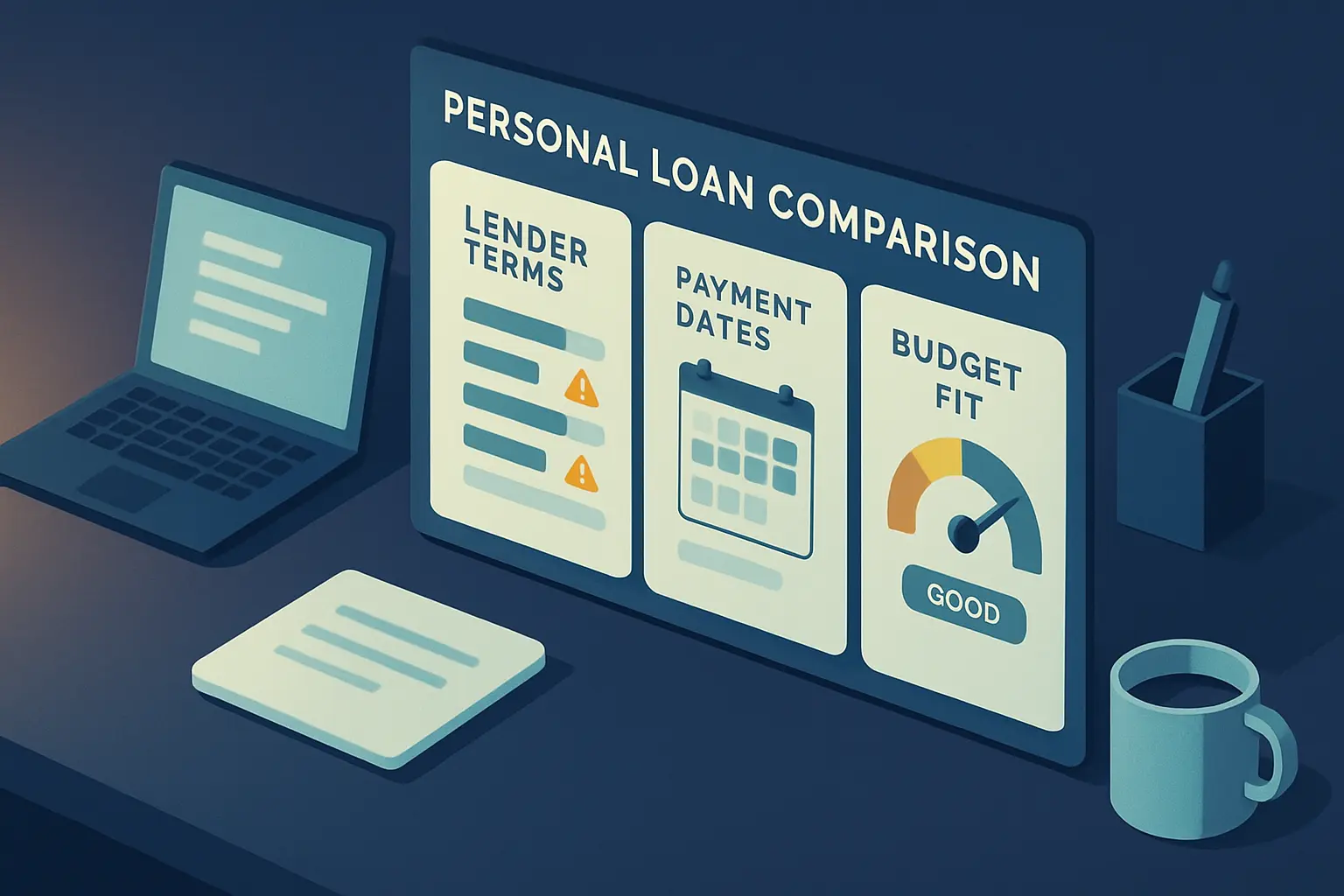
It also helps to pull your own credit reports before shopping through free annual credit reports. That will not tell you your exact loan price, but it can help you spot errors or old information that may affect offers. Then build a simple comparison list with these items:
- APR
- Monthly payment
- Total amount repaid over the full term
- Origination or other upfront fees
- Funding timeline
- Whether the lender offers hardship support if finances change
A lender that looks slightly more expensive on paper may still be safer if the fee structure is simpler and the terms are easier to live with. Meanwhile, a “fast cash” promise with vague disclosures should be treated cautiously.
Read the repayment terms like they are the real product, because they are
The monthly payment is only one piece of the loan; the full term tells you how expensive the decision really becomes.
A smaller bill today can still cost more overall if the loan stretches too long or comes with fees tucked into the balance.
Personal loans are often sold through convenience. The pitch may be quick approval, easy consolidation, or one fixed payment. Those features can be useful, but the contract is where the real cost shows up. A longer term can make a monthly payment look manageable while quietly increasing the total interest paid. A fee taken out upfront can leave you with less cash than expected while you still repay the full principal plus interest.
That is why the APR explanation matters more than the base rate alone. APR captures more of the borrowing cost, which makes side-by-side comparisons more realistic. It is also smart to ask whether there is any penalty for paying early, although many personal loans do not charge one.
Before signing, look closely at:
- The first payment due date
- Total number of payments
- What happens if a payment is missed
- Whether autopay is required for the best rate
- Whether the lender can offer any short-term relief during hardship
If the terms are confusing, pause. A trustworthy lender should be able to explain the schedule and the total cost without making the borrower feel rushed. That is especially important for debt consolidation loans, where lower stress this month can turn into longer debt if the repayment term is stretched too far. A careful read now can prevent a borrowed fix from becoming another monthly strain.
Check your own budget before borrowing against a version of life that may not happen
The best loan comparison in the world still fails if the payment only works in a perfect month.
A safer borrowing plan is built around ordinary bills and uneven months, not the most optimistic version of next season’s income.
Many personal loan mistakes begin with honest optimism. A borrower expects overtime, faster freelance work, a tax refund, or lower grocery costs next month. Sometimes that happens. Sometimes it does not. Before saying yes to a loan, test the payment against a normal month and a rough month.
Start with rent or mortgage, utilities, food, insurance, transportation, child costs, subscriptions, and existing debt. Then add the proposed loan payment. If the number only works when nothing unexpected happens, the offer may be too tight. That does not mean borrowing is always wrong. It means the amount or term may need another look.
Borrowers should also pause before taking a loan for something that might have a lower-risk option first. A medical bill may have a payment plan. A utility balance may have an assistance program. A school or local nonprofit may help with a short emergency. Even borrowing a smaller amount can make the loan easier to manage.
For anyone unsure about affordability, a nonprofit credit counseling agency may help review the budget and compare options without selling a loan product. That step can be especially useful if the personal loan would sit on top of existing credit card pressure. A calmer budget review may uncover a better path than borrowing the full amount right away.
Use a short safer-shopping checklist while waiting to see what 2027 brings
A simple paper trail and a clear comparison routine can protect you more than trying to predict future regulation.
Borrowers rarely regret saving disclosures, asking one more question, and taking one extra day before signing.
If there is no confirmed federal change yet for 2027, the practical answer is to shop as if the current rules are the ones that matter most, because they are. Keep the process organized. Save rate quotes, screenshots, denial notices, disclosures, and email confirmations. If terms shift before funding, those records can help you spot what changed.
Use this same-week checklist:
- Check official sources for any genuine rule updates, especially the CFPB
- Pull your credit reports at AnnualCreditReport.com
- Get quotes from more than one lender
- Compare APR, fees, monthly payment, and total repayment
- Read the Truth in Lending disclosure carefully
- Test the payment against your actual household budget
- Ask about hardship policies and late-fee rules
- Keep every quote and disclosure in one folder
Be especially careful with lenders or lead sites that promise approval before reviewing your finances, ask for upfront payment unrelated to the loan itself, or pressure you to act immediately. Safer shopping is usually slower shopping.
No borrower can force better 2027 rules into existence. But anyone can borrow more carefully today. If a personal loan is on your radar, compare the full cost, verify the lender, and check which assistance or lower-risk alternatives may fit before you commit.