
How to Handle a Credit Card Account Without Phone Support
You open your credit card app, need help fast, and realize the phone line is gone or no longer leads to a live person. That can feel risky at first, especially if the issue involves fraud, a billing error, or a payment problem due this week. Still, losing phone-based help does not mean losing your rights. It means the way you document and manage the account becomes much more important.
This situation is different from choosing a new card or comparing payoff tools. The main issue here is operating safely when your issuer pushes customers toward digital support, secure messages, forms, or mailed notices instead of a traditional call center. If you know which channels matter most, you can still lock a card, dispute a charge, ask about hardship, and escalate a complaint if needed.
The key is to treat every step like a paper-trail issue. Save screenshots, use secure account messages when possible, and learn which problems must still be put in writing. That extra organization can protect you if an online chat disappears or a form submission never gets answered.
Start by mapping every support channel the issuer still offers
Your first job is to find the official contact paths that remain before you need them in a rush.
If phone help goes away, the safest replacement is not guessing where to click but building a short list of official support routes tied to your account.
Most issuers that scale back phone help still keep several other service channels open. Those may include the online account portal, mobile app tools, secure in-account messages, chat, email-style contact forms, and mailing addresses on statements. Some also maintain special digital workflows for fraud reporting, card locks, payment trouble, or disputes.
Begin with your latest statement and your logged-in account page. Look for the customer service, help, support, contact, security, and dispute sections. Make note of:
- The secure message inbox inside the account
- The chat feature, if there is one
- The mailing address for billing questions
- The address for sending payments or disputes
- Self-service controls such as card lock, travel notice, or replacement card request
- Any fraud or unauthorized transaction reporting form
This matters because different channels may serve different purposes. A quick chat may help with a replacement card request, but a legal billing-error notice may need to be mailed. The credit card dispute guidance from the CFPB explains that for certain billing problems, consumers often need to send written notice within 60 days after the first statement showing the error was sent.
Do not rely on a search result alone for contact information. Pull the details from the issuer’s own account portal or printed statement so you know you are using an official route. That step also lowers the risk of phishing pages that imitate card support.
Know which tasks can be handled online and which ones deserve formal written notice
Not every account problem should be treated like a simple app request, especially when federal billing rights may be involved.
Digital convenience is helpful, but some of the strongest consumer protections still work best when the issue is documented clearly and sent through the right written channel.
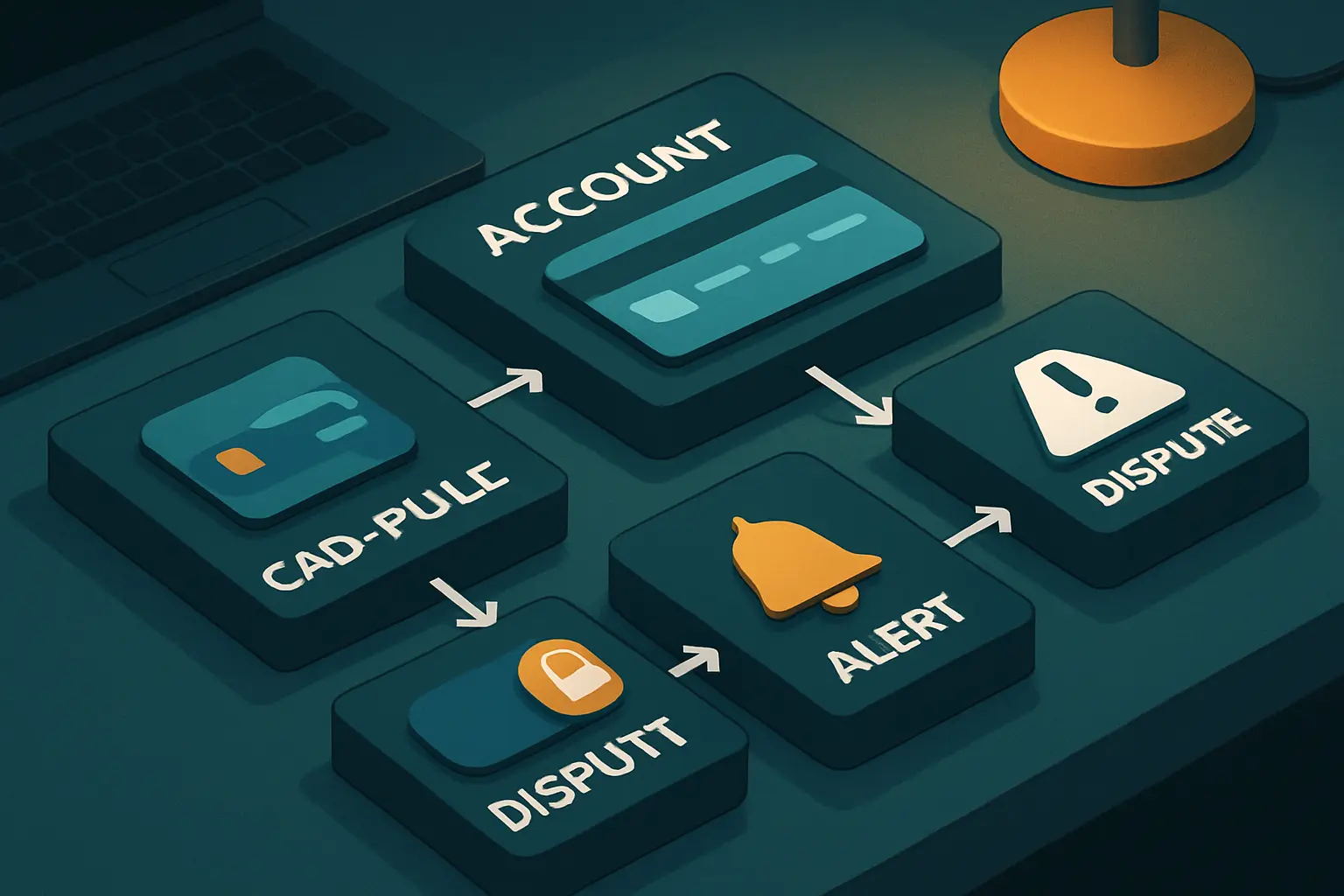
Many everyday tasks are easy to manage without phone service. You can usually change autopay, update personal information, review transactions, freeze a card, request a new due date if offered, add alerts, or download statements online. Those are often smoother in the app than over a phone line anyway.
The more serious category is billing disputes and account rights. If you spot a wrong amount, a charge for something not accepted, a missing credit, or another statement problem, check the formal dispute process right away. The CFPB’s billing error overview and the Federal Trade Commission’s broader charge dispute information can help you sort out what counts as a billing problem versus a complaint about service quality.
For fraud or unauthorized use, move quickly through the issuer’s fraud controls if available. Lock the card, review recent purchases, and submit the fraud report through the official portal. The FTC’s lost or stolen card guidance is a useful reminder that speed matters when a card goes missing or is used without permission.
A practical rule: use digital self-service for routine changes, but use the formal written process for statement errors and time-sensitive rights. When in doubt, do both. Submit the online report, then mail or upload a written explanation if the issuer’s policy or federal guidance points that way.
Build your own record in case chats vanish or replies stall
When live phone help disappears, your documentation becomes part of your protection.
A saved screenshot, message copy, and mailing receipt can matter more than a vague memory of a support chat that no longer appears in your account history.
Digital-only service can be efficient, but it also creates a common problem: short conversations vanish. A chatbot resets. A browser session times out. An email confirmation never arrives. That is why keeping your own files matters.
Every time you contact the issuer, save:
- The date and time
- The tool used, such as secure message, chat, or online form
- A screenshot of the issue and any response
- Any case number or confirmation page
- Copies of supporting documents you uploaded
- The name or ID of the representative if one appears
If you must send a letter, keep a copy and consider a mailing method that gives you proof it was sent. If you upload documents, save the exact file you submitted. If your issue involves a refund, merchant dispute, or late fee reversal, write down the outcome promised and the timeframe given.
This kind of record is especially useful if you later need to file a complaint. The CFPB’s consumer complaint system allows people to report problems with financial products and services, and a clear timeline makes that easier. It can also help if the issuer says it never received your notice or if you need to prove you acted within a deadline.
Set alerts too. Transaction alerts, payment reminders, statement-ready notices, and suspicious-activity notifications can reduce the need for urgent support in the first place. In a no-phone setup, early detection is one of the best substitutes for fast live help.
Plan ahead for fraud, hardship, and payment trouble before it becomes urgent
The best time to find the issuer’s non-phone support process is before your account problem becomes a same-day emergency.
When service is mostly digital, small preparation steps can create breathing room that a missing phone number no longer provides.
If the card is important to your budget, make a short emergency plan now. Find the card-lock feature. Learn how to request a replacement. Confirm where billing disputes go. Check whether the issuer offers any digital path for payment extensions or hardship review.
If money is getting tight, do not wait until you miss a payment. Use the secure message center or hardship page and ask what assistance may exist. Some issuers may offer a temporary arrangement, reduced payment, or other relief, though terms vary and no result is automatic. The point is to raise the problem early and in writing.
It also helps to reduce dependence on a single card. If possible, keep a backup payment method for essentials, especially if the main issuer has limited live support. That could be another credit card, a debit card, or a small cash buffer for critical purchases while a dispute or replacement card is pending.
Review these points this week:
- Can you lock and unlock the card in the app?
- Do you know how to report unauthorized transactions online?
- Is your email current so alerts reach you?
- Do you know the mailing address for statement disputes?
- Have you downloaded recent statements in case account access fails?
- Do you have a backup way to pay for urgent needs?
Digital-first service is easiest on routine days and hardest on stressful ones. A few minutes of setup can make a big difference if the card number is stolen, a bill posts wrong, or a payment issue hits right before the due date.
Escalate the issue if the issuer’s online-only help is not solving it
If the support tools keep failing, you still have outside complaint and information channels to use.
Losing phone support does not cancel your right to challenge billing problems, complain about poor servicing, or ask a regulator to review what happened.
Sometimes the issue is not just inconvenience. It is a broken support system: dispute forms that loop, chats that never escalate, repeated unanswered messages, or a fraud claim stuck in limbo. If that happens, move from routine service to formal escalation.
First, use the issuer’s most formal written path and reference your earlier attempts. Include dates, screenshots, and account details. Keep the request short and specific. State what happened, what you want corrected, and when you first reported it.
If the problem still does not move, consider filing a complaint through the CFPB complaint portal. For broader identity theft or fraud fallout, the FTC’s identity theft recovery site may also be helpful. If your card account is with a bank and the issue relates to bank supervision, the bank’s regulator may have complaint options too, though the CFPB is usually the most practical first stop for many consumers.
When filing a complaint, include:
- The issuer name and card type
- A timeline of your attempts to get help
- What channel you used each time
- Copies of notices or messages
- The financial harm or risk involved
- The solution you are seeking
Online-only service can work well when the tools are strong. When they are not, a careful record and a timely complaint can push the problem forward. If your issuer has stepped away from live phone help, take time now to learn the backup paths that still protect your account, your deadlines, and your money.
If your card support options have changed, check your account tools and dispute process today so you know which rights and relief steps may still fit before a real problem lands.