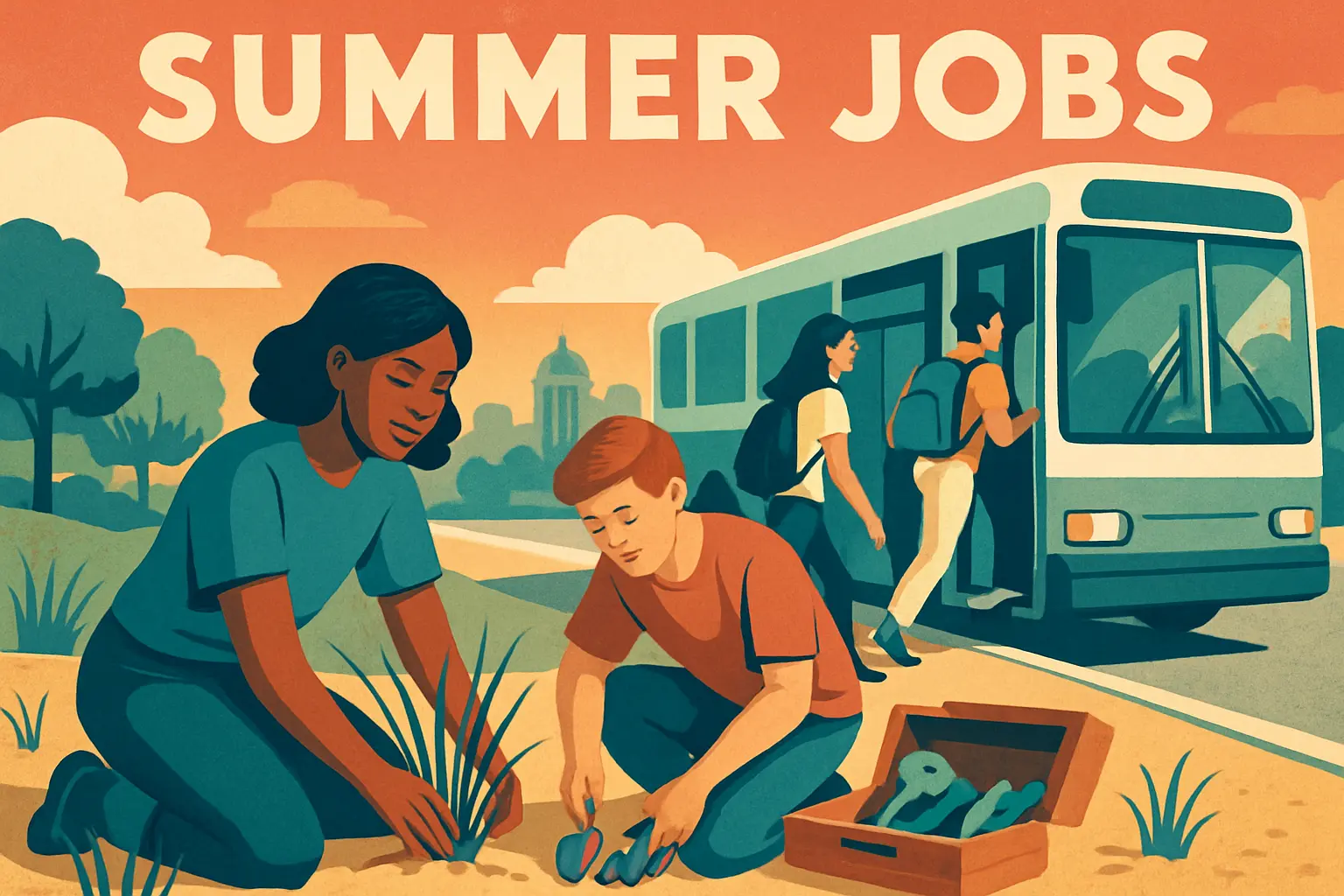

Where Teens Can Find Paid Summer Work With Real Added Benefits
A summer job can do more than put spending money in a teen’s pocket. In many places, it can also open the door to work experience, transit help, meals, outdoor training, or a stronger resume before school starts again. That matters for families trying to reduce summer costs and for young people who want something better than an unpaid activity.
Public youth jobs programs are often the best place to start because they are built for beginners. Many accept teens with little or no prior job history. Some are run by city youth departments. Others are tied to parks, conservation crews, or seasonal public projects. A few are already closed for this year, but they still show what to watch for next season and where to start locally.
This is also a different angle from the site’s recent student-loan and school-shopping pieces. The real opportunity here is earned income plus practical support. A paid placement that comes with structured hours, local connections, and work-ready skills may help a household more than another expensive summer program.
Why local youth jobs programs often beat random job hunting
Many teen-focused work programs are designed to be an easier first step than applying cold to restaurants, stores, or camps.
A program built for young workers may offer more support, clearer supervision, and a smoother hiring process than a standard summer opening meant for experienced applicants.
A lot of parents and teens start by searching job boards, but city and publicly backed youth employment programs can be more realistic for first-time workers. These programs often expect beginners. They may help with work readiness, application support, or placement matching instead of leaving teens to compete only on prior experience.
One of the biggest examples is New York City’s youth summer employment program, which connects young people with paid work and career exposure. The 2026 application window has already closed, but the age range and structure make it a strong model to watch for future years. The city also notes on its employer information page that participants are paid directly by New York City, which shows how some programs remove payroll hassle from host worksites.
Cambridge, Massachusetts runs a similar route through its mayor’s summer youth jobs program. For 2026, it listed a six-week session running from July 6 through August 14 with 20 hours a week at $15 per hour. The published notice said the deadline was May 8, though late applications might still be considered.
These examples show why local government pages are worth checking before a teen applies everywhere at once. The right city program may already have age rules, pay, and entry-level worksites set up for them. 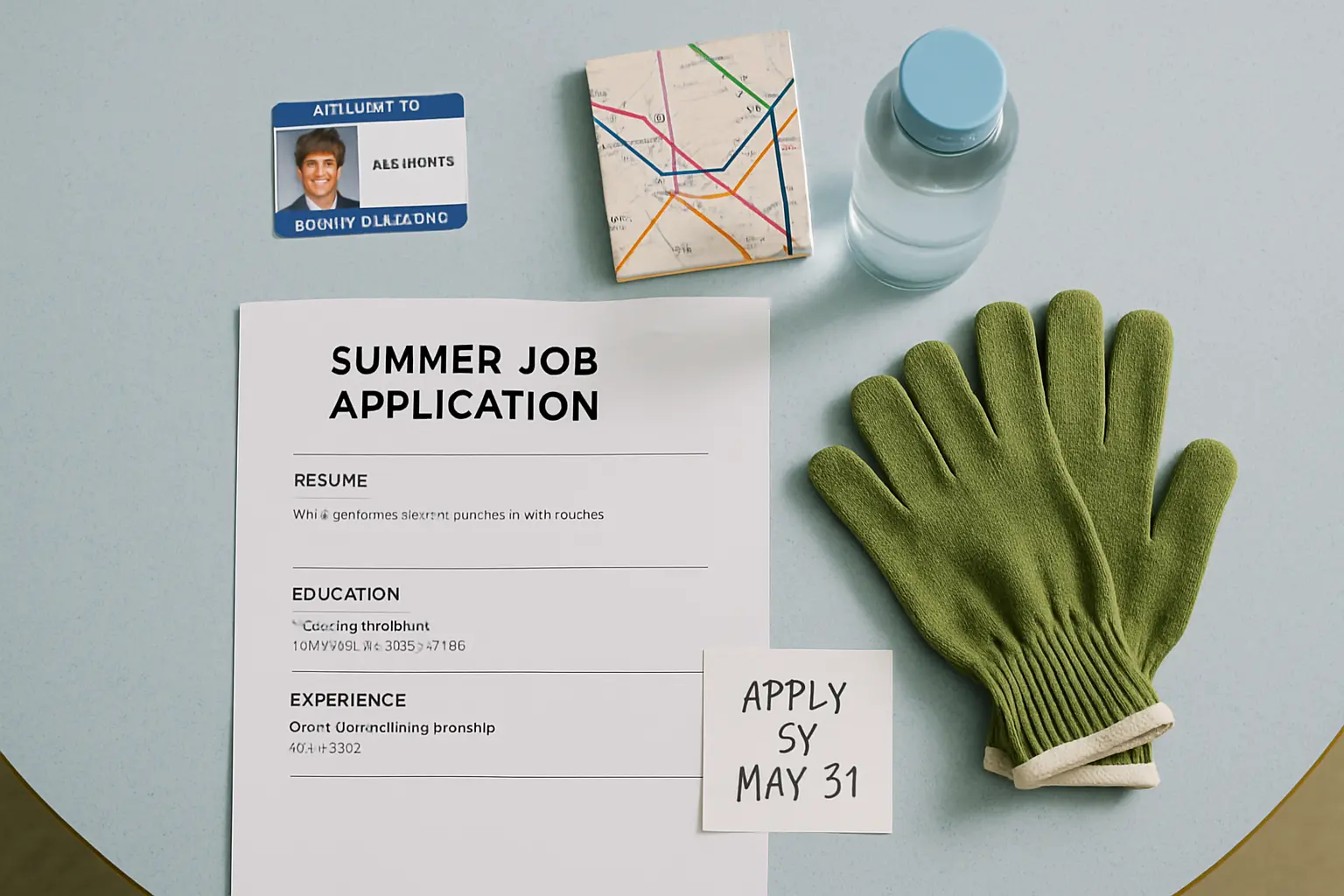
Conservation crews can pay teens while adding outdoor experience
For teens who would rather be outside than behind a counter, conservation corps programs may offer wages plus hands-on skills.
Outdoor youth jobs can be a strong fit when a teen wants structure, physical activity, and a resume line that stands out from typical summer retail work.
Not every teen wants a cashier or food-service job. Youth conservation programs can be another strong option, especially for teens interested in parks, environmental work, or active summer schedules. These positions are real paid jobs, even if they also feel a bit like a camp or training experience.
The National Park Service offers Youth Conservation Corps opportunities in different locations, and each site sets its own details. At Indiana Dunes, the 2026 program was listed as a ten-week season for ages 15 to 18, paying $12 per hour for a 40-hour workweek. At Yellowstone, the 2026 listing described month-long sessions for ages 15 to 18 with 40-hour weeks at $10.50 per hour, along with a small food charge.
These jobs may include trail work, grounds projects, restoration tasks, and supervised team assignments. For some families, that extra structure is part of the value. A teen is not just earning money. They are getting schedule discipline, references, and work habits that may help with later jobs or college applications.
Because these postings often open and close early, they are useful even when the current season is already full. If your teen is too late this year, save the page, note the age range, and set a reminder for spring. Parks, counties, and state conservation departments may run similar programs closer to home.
Look for the extra perks that make a lower-paid job worth more
The hourly wage matters, but transportation help, meals, shorter commutes, and career exposure can change the real value of a placement.
A summer job that pays a bit less may still be the better deal if it avoids daily ride costs, includes food, or builds connections a teen can use later.
Families often focus only on the pay rate, and that makes sense at first. Still, the best summer opportunity is not always the one with the biggest hourly number. A lower-paid program can be more practical if it comes with benefits that shrink other household costs or make the job easier to keep.
Useful extras to ask about include:
- Worksite location close to home or near transit
- Free or reduced bus or subway access through a youth program
- Meals or snacks during the workday
- Training certificates or job-readiness workshops
- Adult supervisors willing to serve as references
- Schedules that fit summer school, sports, or family responsibilities
This is where city-run youth jobs often stand out. Some place teens in schools, nonprofits, parks, or community offices that are easier to reach than a private employer on the other side of town. Others build in career exploration instead of only shift labor. That can matter for a 14- or 15-year-old who is just learning how workplaces function.
There is also a household-budget angle. If a teen’s job cuts their need for paid daytime supervision, reduces boredom spending, or helps cover back-to-school needs, the total gain can be larger than the paycheck alone suggests. In other words, a summer youth employment program may act as income support and a practical family support at the same time.
How to improve a teen’s odds before application deadlines hit
Early preparation can matter more than a polished resume when programs use firm cutoffs, lotteries, or basic eligibility screens.
Many teen programs are lost not because a young person was unqualified, but because the family waited too long to gather documents or missed the short application window.
The biggest obstacle is often timing. Many of these programs post in spring, not at the height of summer. Some use drawings, some use priority rules, and others simply close when enough applications come in. That means a family can improve its odds by getting ready before the teen has the “perfect” work history.
Start with the basics:
- Photo ID or school ID if available
- Proof of age
- Social Security number or other required work documents
- Parent or guardian contact information
- A simple resume listing school, clubs, sports, volunteer work, or responsibilities
- A working email address checked regularly
It also helps to prepare a short explanation of interests. A teen does not need a full career plan. They just need a few honest points about whether they like outdoor work, office tasks, children, art, sports, technology, or neighborhood service. That can make matching easier if a coordinator asks what type of placement would fit best.
If your city’s program already closed for 2026, do not treat that as wasted effort. Use the missed season to build a folder now. Save the links, write down usual opening months, and set a calendar reminder for next year. A lot of families miss out only because they search in July for something that recruited in March or April.
Where to search if your city is not listed in a national roundup
The strongest next move is usually a local search through city, county, school, and park systems instead of waiting for one big national database.
The teen jobs program that fits your household best may be small, local, and easy to miss unless you search by your exact city and youth age group.
Many families assume that if they are not in a major city, there is no formal summer youth work option nearby. That is often not true. Smaller cities, counties, school districts, workforce boards, libraries, and park departments may run their own versions even when they do not receive much attention.
Try searches like these on official local pages:
- Your city name plus “youth employment”
- Your county name plus “teen summer jobs”
- Your school district plus “student internships”
- Your parks department plus “youth crew”
- Your workforce board plus “summer jobs for youth”
You can also check local community centers, Boys and Girls Clubs, library systems, and mayor’s office announcements. Some of these organizations do not employ teens directly, but they may refer applicants to open programs or help with applications.
Another practical step is to call 211 or a city human services office and ask whether they know of paid youth work programs, not just camps or volunteer projects. Be clear that the teen is looking for paid summer work and mention their age. Programs for 14- and 15-year-olds are often different from those for older teens, so age matters.
The best time to build this list is before next spring gets crowded. One saved note with links, deadlines, and age rules can turn next year’s search from a scramble into a plan.
A simple action plan for families this week
A short search-and-prep routine can help a teen find real paid work faster and avoid missing next year’s openings.
Paid youth work is easier to find when the family treats it like a seasonal program with deadlines, not like casual job browsing after summer has already started.
Keep the next steps practical. First, check whether your city or county has a youth employment page already open or recently closed. Second, review conservation corps and park-based options if your teen likes outdoor work. Third, gather documents now so a short deadline does not block the application later.
Use this checklist:
- Search your city, county, and school district for youth jobs pages
- Review examples like NYC youth placements, Cambridge youth jobs, and park conservation crews
- Build a simple resume even if the teen has no formal job history
- Save age requirements, pay details, and deadline months in one note
- Set reminders for next spring if 2026 applications are already over
- Compare not just pay, but commute, meals, and other useful extras
No program guarantees selection, and local rules vary a lot. Still, youth employment programs are one of the more practical summer opportunities families can explore because they combine wages with experience and, sometimes, support that stretches beyond the paycheck.
If a teen in your household wants to earn money this summer, check which city, park, or youth work programs may fit locally today and save the best leads before the next round of deadlines slips by.