Not Sure Which Credit Builder Loan Fits? Start With Local Options
A paycheck clears, rent is covered, and someone finally feels ready to work on credit, but the internet serves up a messy mix of apps, ads, and promises. That is where a credit builder loan can look appealing. Instead of giving cash up front like a regular personal loan, these products usually place the loan amount into a locked savings account or certificate while the borrower makes monthly payments. If the lender reports those payments to the credit bureaus, the borrower may build positive payment history along the way.
That does not make every credit builder loan a smart move. Some community-based options through credit unions, community development financial institutions, and nonprofit-linked lenders may be more useful than heavily marketed offers with weak reporting or high costs. The real question is not which ad sounds easiest. It is which program has the right reporting, fees, and monthly payment for your budget.
This guide takes a different angle from the site’s recent debt-help comparisons. Here, the focus is narrower: how to tell whether a local or mission-driven credit builder loan is actually likely to help your credit profile in 2026, and when a secured card may be the better first step instead.
What makes a credit builder loan help instead of just adding another bill?
The most important feature is not the loan label itself, but whether the lender reports your on-time payments consistently to major credit bureaus.
A credit builder loan can only do its main job if the account shows up on your credit reports and the payment is small enough to stay on schedule every month.
That sounds basic, but it is where many people go wrong. A product can call itself credit-building and still fail to fit your needs if the monthly payment is too high, the fees are heavy, or the reporting is limited. Since payment history is a major part of credit scoring, the account needs to be one you can realistically pay on time for the full term.
Most credit builder loans work by holding the borrowed funds in a savings account until you finish repayment. Once the term ends, the money is released to you, sometimes with savings intact minus interest and fees. This setup can help people who want forced savings and an installment account on their report without taking on a large unsecured loan.
Before applying, check these details carefully:
- Which credit bureaus receive payment reporting
- Total cost, including any origination or membership fees
- Monthly payment amount and loan term
- Whether missed payments trigger penalties or damage savings held in the account
- Whether the lender offers support such as credit counseling or account reminders
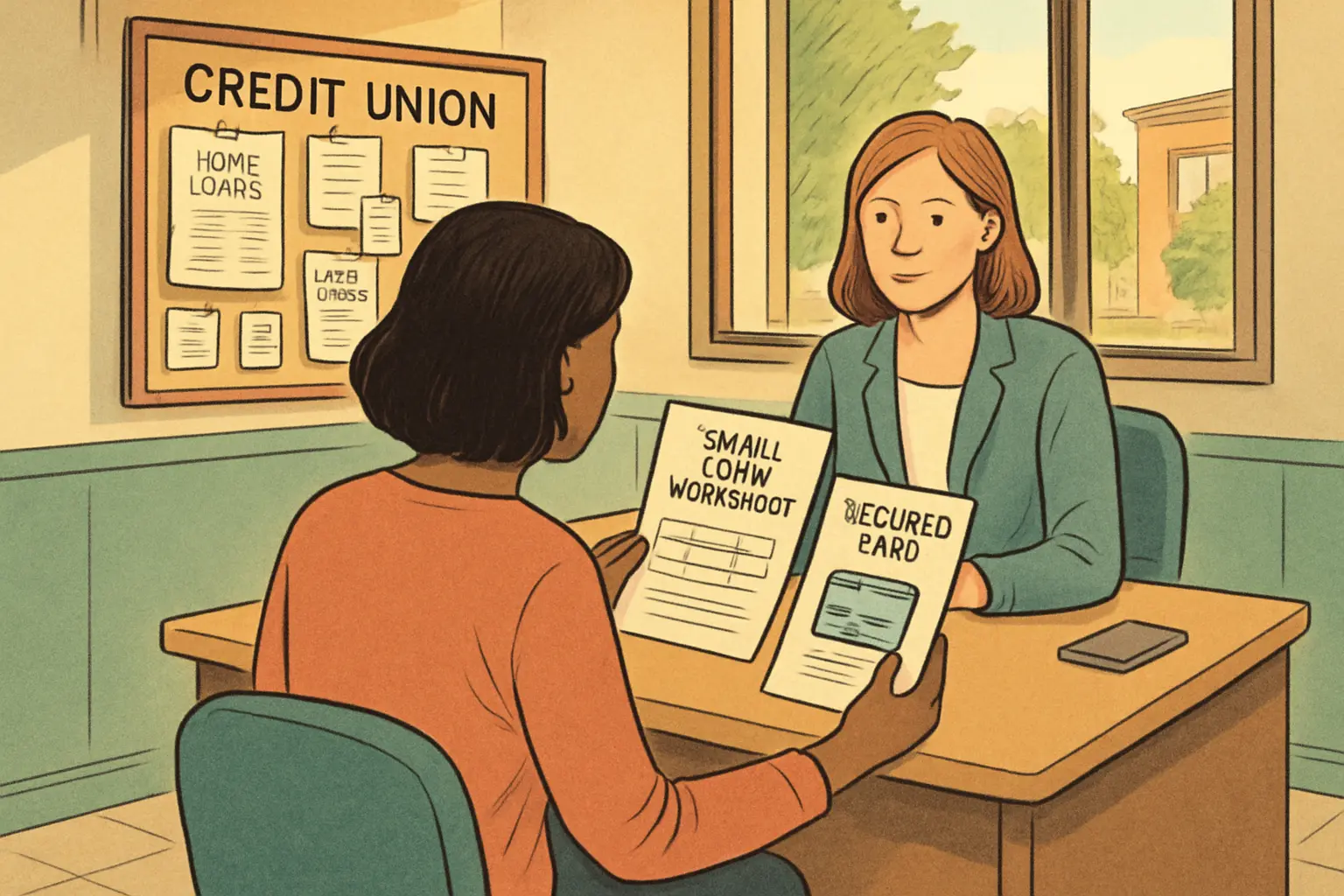
This is also why community lenders deserve a closer look. Credit unions and CDFIs often design these loans for people with thin credit files or past setbacks, not just for prime borrowers. Some local programs may also pair the loan with financial coaching, which can matter as much as the product itself if money is still tight.
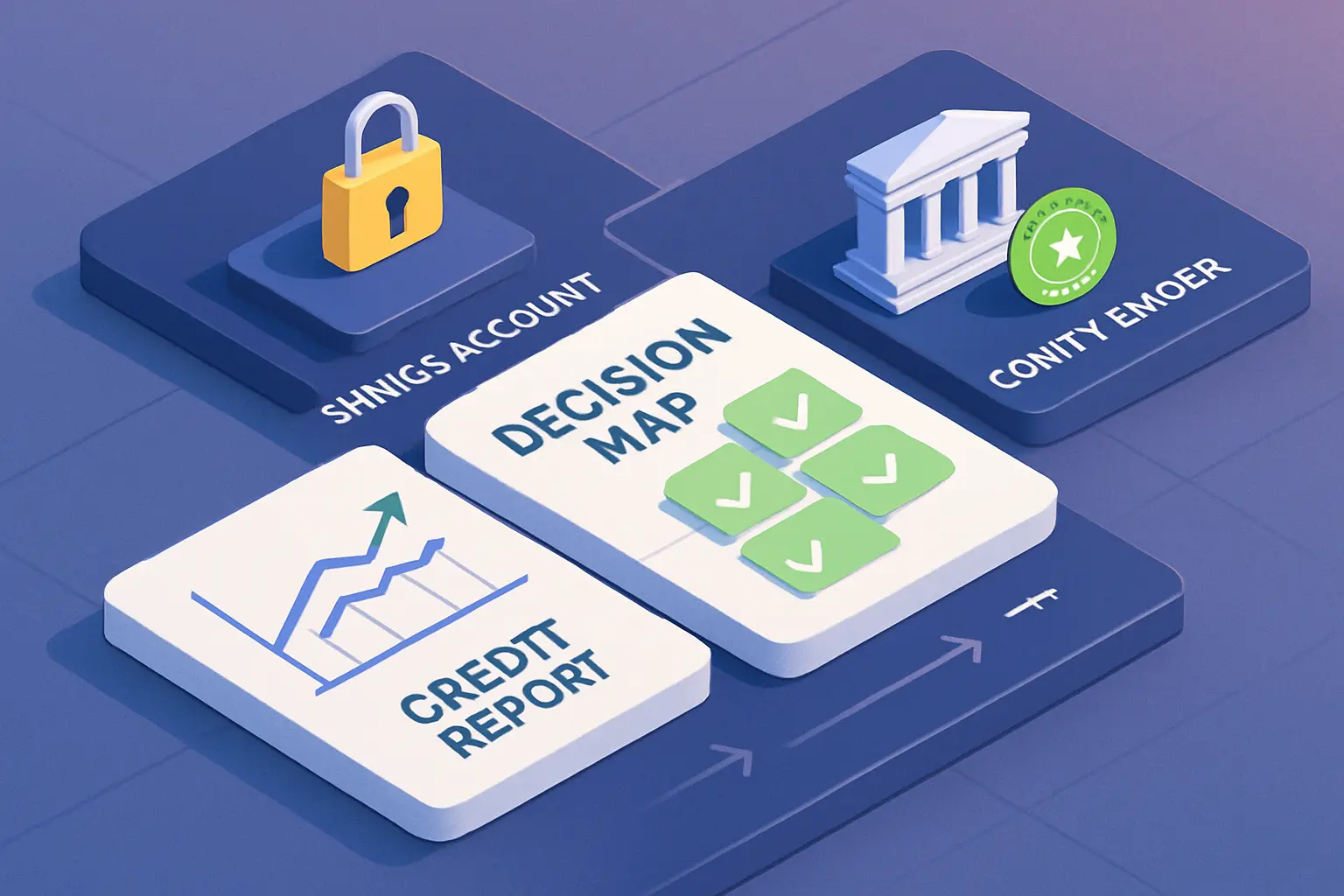
One more reality check: a credit builder loan may help build history, but it does not erase old delinquencies overnight. Think of it as one positive line on the report, not a shortcut past every older problem.
Where community credit builder loans may be better than flashy online offers
Local credit unions, CDFIs, and nonprofit-linked lenders may offer safer terms because they are often built around affordability and member support rather than speed alone.
The strongest community option is usually the one that treats credit building as a long game, not a quick sale.
In 2026, many borrowers will still see loud marketing for fintech-style credit tools, but a community option may be a better fit when you want lower risk and clearer terms. Credit unions often require membership, yet that extra step can come with smaller loan sizes, more reasonable fees, and staff who will explain the product instead of pushing a generic sign-up funnel.
CDFIs can be especially worth checking because their mission often includes serving borrowers with limited access to mainstream credit. Some nonprofit partners and community lenders use credit builder loans as part of broader financial capability work, which may include budgeting help, savings support, or referrals to safer bank accounts.
When comparing community programs, look for signs that the lender is actually structured to help:
- The product page clearly explains bureau reporting
- The lender is a credit union, CDFI, or established nonprofit-linked program
- Loan amounts are modest rather than oversized
- Fees are easy to find before you apply
- Customer support includes real contact information and local service access
This matters because the best credit builder loan is not always the biggest or fastest one. A small installment account with dependable reporting and manageable payments can do more for your profile than a larger product that strains your budget. If a local credit union offers a simple six- to twelve-month plan with predictable payments, that may be more useful than a glossy national offer with unclear terms.
Community lenders may also be more willing to work with people who are rebuilding after collections, medical debt, or a limited file. That does not mean approval is automatic. It means the product may be designed for the exact borrower situation that many mainstream lenders ignore.
When a secured credit card may beat a credit builder loan
A secured card can be the stronger first move if you need revolving credit history and can trust yourself to keep balances low and payments on time.
Credit builder loans and secured cards do different jobs, so the better choice depends on whether your file needs an installment account, revolving use, or both.
This is where the decision gets more practical. A credit builder loan adds an installment account. A secured card adds revolving credit, which can help establish card management history and, if used carefully, improve credit utilization patterns. According to consumer explainers such as the credit-builder loan versus secured card comparison, the better option depends on your habits and current report.
A secured card may fit better if:
- You can provide a modest deposit
- You want a card for small recurring purchases
- You will pay the balance on time and keep usage low
- Your credit file lacks revolving account history
A credit builder loan may fit better if:
- You want a fixed monthly amount
- You prefer forced savings over open-ended card use
- You are worried a card might lead to overspending
- You want an installment account on your report
Some people eventually use both, but starting with one manageable product is often safer than juggling too many at once. If your budget is tight and your spending is already hard to control, a secured card can create temptation that a credit builder loan does not. On the other hand, if your report already has installment history but no card history, a secured card may fill the bigger gap.
The best move is to match the product to the weakness in your credit file, not to assume one tool is universally better.
How to screen a program before applying in 2026
A short checklist can help you avoid paying for a product that sounds helpful but does not really match your credit-building goal.
Good screening usually saves more trouble than chasing the first offer that says yes.
Before filling out any application, take ten minutes to review the lender and the product terms like a shopper, not a hopeful borrower. That small pause can prevent a lot of frustration.
Start with the lender’s identity. Is it a credit union, a community bank, a CDFI, or a nonprofit-linked lender with a real service footprint? Then move to the actual account details. If the site is vague about reporting, pricing, or the savings structure, that is a warning sign.
Use this quick screening list:
- Confirm the lender reports to major bureaus
- Read the fee schedule before applying
- Check the total amount you will receive at the end of the loan
- Make sure the monthly payment fits even in a rough month
- Ask whether there is a penalty-free autopay option
- Verify whether membership is required and whether that adds cost
- Look for customer support that is easy to reach
If you want a government starting point for broader financial institution research, the CFPB credit resources can help explain how accounts show up on reports and why on-time payment matters. For local help finding mission-driven lenders, community development networks and state credit union directories can also be useful places to explore.
It is also worth asking one blunt question before you apply: if this account reports perfectly for the next year, will it still be worth it after fees and interest? If the answer feels weak, keep looking.
Best next steps if you want your credit-building effort to actually stick
The smartest plan is to pick one product you can handle easily, automate the payment, and watch your reports for accurate reporting.
Credit building works best when the account is boring, predictable, and hard to mess up.
That may not sound exciting, but it is exactly the point. The product that improves your credit is usually the one that runs quietly in the background without creating stress. Whether you choose a community credit builder loan or a secured card, the goal is stable positive history.
Follow this order:
- Review your credit reports so you know what is missing or hurting you
- Choose between an installment tool and a secured card based on that gap
- Start with a local credit union, CDFI, or nonprofit-linked lender if possible
- Pick the smallest useful payment you can comfortably keep
- Set up autopay and calendar reminders
- Check your credit reports after a couple of reporting cycles
- Avoid opening extra accounts just because another ad appears
If you already carry expensive debt, this step should fit around that reality. A credit builder product should not crowd out rent, utilities, or minimum payments on essential accounts. If cash flow is still shaky, stabilizing the budget first may do more good than rushing into a new tradeline.
Community credit builder loans can be worthwhile in 2026, but only when the terms are clear, the payments are realistic, and the reporting is dependable. That is why local options often deserve the first look. They may not be the loudest offers online, yet they are often closer to what actually helps. Check which programs near you report well, cost less, and fit your budget today.