Which Offers Better Relief? Comparing State Emergency Water Aid to Utility Bill Discounts
If you’ve ever worried about keeping your water running during tough times, you may have noticed two big ways to find help: emergency water relief grants from the state, and discounts or assistance plans offered by your local utility. Understanding how these options differ—and which might be right for you—can help you keep your family safe and your finances on track.
What Are State Emergency Water Relief Grants and Who Qualifies?
Across the country, many states periodically roll out emergency grant programs to keep water affordable when crisis hits—think natural disasters, job loss spikes, or ongoing infrastructure issues. These grants might come through initiatives like California’s $880 million water resilience boost for drought repairs and safe access or New York’s new funding planks designed to modernize aging systems and offset rates for at-risk populations (read more here).
State grants typically support upgrades, emergency repairs, and even short-term customer assistance, though rules for who qualifies are strict and funding can dry up quickly.
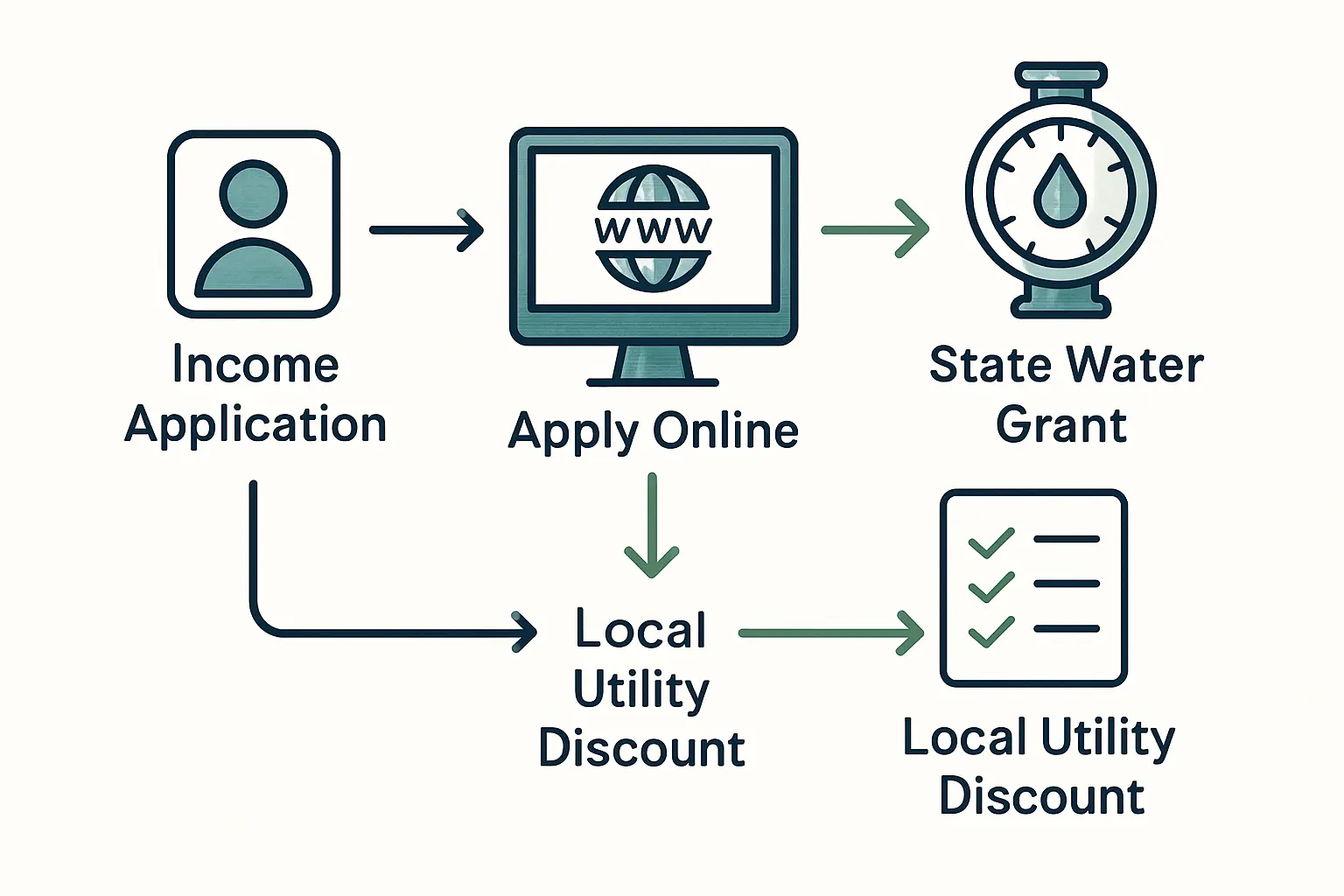
These grants are often targeted at households facing unexpected emergencies—like sudden unemployment, a medical hardship, or major service interruptions. You usually need to meet specific income criteria and fill out a dedicated application form right when the funds become available.
How Do Local Utility Bill Discount Programs Work?
In addition to state-run grants, local utilities maintain year-round programs that lower bills for those in need. For instance, WSSC Water has expanded relief options—offering payment plans and one-time help up to $750 for income-constrained customers through their Emergency Relief Fund (see program details). Meanwhile, cities like Lansing are investing millions to make upgrades and keep everyday costs manageable in the long run (learn more).
Utility discount programs are usually funded by service providers and are available year-round to qualified residents—making them a steadier option for ongoing struggles, not just urgent setbacks.
Qualifying for these discounts often requires proving household income is below a certain threshold—sometimes even allowing temporary enrollment for folks between jobs or on fixed incomes.
Which Water Assistance Path Is Best for Your Situation?
Both emergency grants and utility discounts can offer vital relief, but their timing and requirements make one a better fit depending on your circumstances. If you’re facing a sudden financial shock or wide-scale event (like a disaster declaration), state emergency grants can provide swift but short-lived help for water access. On the other hand, ongoing struggles with bills or a fixed income might mean local utility discounts provide steadier, year-round protection against service interruptions.
Ultimately, you can often apply for both—and combining programs could maximize your support, if you qualify for each.
Curious if your state or water provider has new assistance in your area? Take a moment to check online or call your utility today. Exploring your options now could mean less stress and more security all year long.