

Not Sure a New Debt Collector Is Real? Start Here Before You Pay
A letter or phone call saying a public debt is now in private hands can rattle anybody. One day you think a federal office or loan servicer is handling the account. Next, a company you have never heard of wants money, account details, or a fast decision. That shift can be legitimate, but it is also the kind of moment scammers like to exploit.
If your federal debt was transferred to a private collection firm, the smartest first move is not paying on the spot. It is slowing the process down long enough to confirm who is contacting you, what debt they are talking about, and what rights still apply. The consumer guidance on verifying collectors from the CFPB makes that point clearly: a real collector should be able to identify the debt and give you information you can check independently.
This matters for more than peace of mind. A wrong payment can revive confusion, drain your budget, or send money to a scammer. A careful start gives you a better shot at protecting your identity, catching errors, and finding a payment path that fits your situation.
First, confirm whether the new company is actually tied to your debt
Do not treat a call, text, or email as proof just because the person knows part of your name or address.
When a debt changes hands, a real collection firm should be able to tell you the creditor name, the amount claimed, and how to get written details. The CFPB explains in its page on required debt information that collectors have to provide key facts about what they are trying to collect. That does not mean every contact is fake. It means you should verify before acting.
If the caller pressures you to pay first and check later, that pressure is the reason to pause.
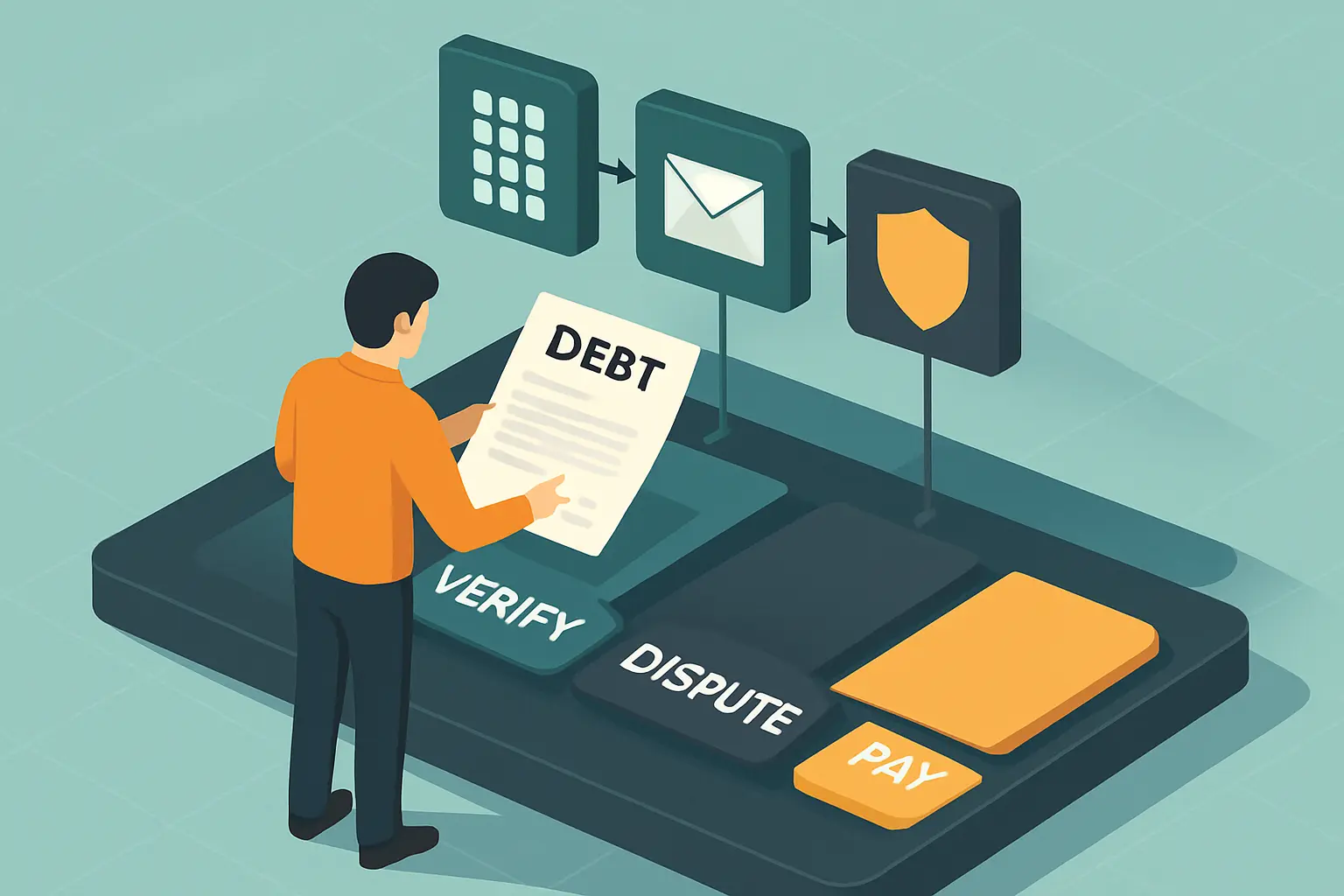
Start by asking for the company name, mailing address, phone number, website, and the name of the original agency or creditor. Then stop the conversation and look up contact information on your own, using an official account portal, prior statements, or a government page tied to the original debt when possible. Call back through a number you found independently, not the number that texted you.
It is also wise to compare the contact with any notice in your mail, online account, or servicer inbox. If the debt involves student loans, tax issues, or another government-linked balance, use the official account you already know to see whether a transfer notice appears there. That extra step can help separate a real handoff from a fraud attempt using current events as cover.
Share less at the start, even if the caller sounds convincing
You do not need to hand over your full Social Security number, bank login, or debit card details just to find out whether a collector is real.
The CFPB warns consumers on its page about sharing personal information with debt collectors to be careful with sensitive data. Early in the process, the goal is verification, not oversharing. A stranger who contacted you first does not automatically deserve enough information to access your bank account or steal your identity.
A cautious consumer can always share more later; it is much harder to undo giving away too much too soon.
A safer approach is to confirm only basic identifying details you are comfortable using, then ask for written validation. If the caller demands full account credentials, remote phone access, gift cards, cryptocurrency, or an immediate debit payment, treat that as a danger sign. Real debt collection does not require unusual payment methods.
It also helps to keep all future communication organized. Save envelopes, screenshots, voicemail dates, emails, and letters. If you must talk by phone, write down the date, time, representative name, and what was said. Those notes can matter later if you need to dispute the debt, show inconsistent statements, or file a complaint.
Some people feel rude ending the call without resolving it. Do not. A short response is enough: you want written information first, and you will review it before discussing payment. That is a normal and sensible boundary.
Ask for written details and dispute anything that looks wrong
The handoff itself does not make the balance correct, current, or collectible in the exact amount claimed.
One of the biggest mistakes after a transfer is assuming the new company’s records must be accurate. The CFPB’s guidance on what to do when contacted by a collector recommends reviewing the notice carefully and disputing errors quickly. Names, amounts, dates, and account status can all be wrong, especially when accounts move between systems.
A new collector may have the right account number but still have the wrong amount, the wrong timeline, or the wrong person.
When the written notice arrives, compare it with your own records. Check the debt amount, the original creditor or agency, and whether any payments, pauses, or prior arrangements seem missing. If something does not line up, send a dispute in writing and keep a copy. According to the CFPB page on collection limits with other people, collectors also face rules about what they can say to family, friends, and employers. That can matter if a collector is creating pressure by contacting others too freely.
The CFPB also notes on its page about collection after a dispute that the process has limits and requirements. A dispute does not erase the debt by itself, but it can force closer review and help prevent rushed payments on bad information.
If the letter is vague, ask for more detail before discussing settlement or monthly plans. You want enough information to know exactly what account is involved and why this company says it now has authority to collect.
Then look at payment, hardship, or settlement choices with a clear head
Once the debt and collector check out, the next question is not simply Can I pay, but Which option does the least harm?
Many people feel pushed to say yes to the first payment demand because a transfer makes the situation sound urgent. In reality, once you have verified the account, you may have room to compare options. The CFPB’s page on negotiating with a collector suggests confirming the debt first, then discussing possible repayment or settlement terms.
The best deal is not always the fastest deal; it is the one you can follow through on without missing rent, food, or other essentials.
If the amount is real but unaffordable, ask what hardship arrangements or installment plans exist. Get any offer in writing before sending money. Review whether interest or fees keep adding up, whether the account will be reported as settled or paid, and what happens if one payment is missed. If the debt came from a government-linked source, it may also be worth checking whether an official agency or servicer still offers account-specific options outside a private collector conversation.
Never give direct access to your bank account unless you fully understand the arrangement and trust the company. A safer route may be paying through a controlled method you can track, after written terms arrive. If you feel overwhelmed, a nonprofit credit counselor or legal aid office may help you understand the tradeoffs before you agree.
Be extra wary of outside companies promising to make the debt disappear for a fee. That sales pitch can pile new problems onto an already stressful account.
Know your rights if calls become abusive, confusing, or suspicious
Even if the debt is legitimate, collection behavior still has rules.
The CFPB’s consumer rights page for collection calls outlines boundaries on how collectors may contact you and what they must disclose. The broader debt collection resource center also explains how to respond, where to complain, and what rights consumers have when collection firms cross the line.
Feeling intimidated does not mean you have lost your options; it often means it is time to switch from phone talk to documented steps.
If a collector calls repeatedly, threatens action it cannot explain, or refuses to provide written information, move the conversation to paper or email when possible. Keep a timeline. If third parties are being contacted improperly, note who was called and what was said. The more specific your notes, the easier it is to spot whether the conduct matches what consumer rules allow.
If you believe the company is fake, stop responding and verify through official channels linked to the original debt. If you believe the company is real but acting improperly, review complaint options through the CFPB. Complaints do not solve every debt problem, but they can create a record and push a company to respond more clearly.
A sudden transfer to a private debt collector can feel like the ground shifted under you. The good news is that you do not have to answer every demand in real time. Verify the company, limit what you share, review the written notice, and only then compare payment or dispute steps. If a debt issue landed on your plate this week, now is a good time to check which protections, assistance paths, or lower-stress options may fit before you send any money.