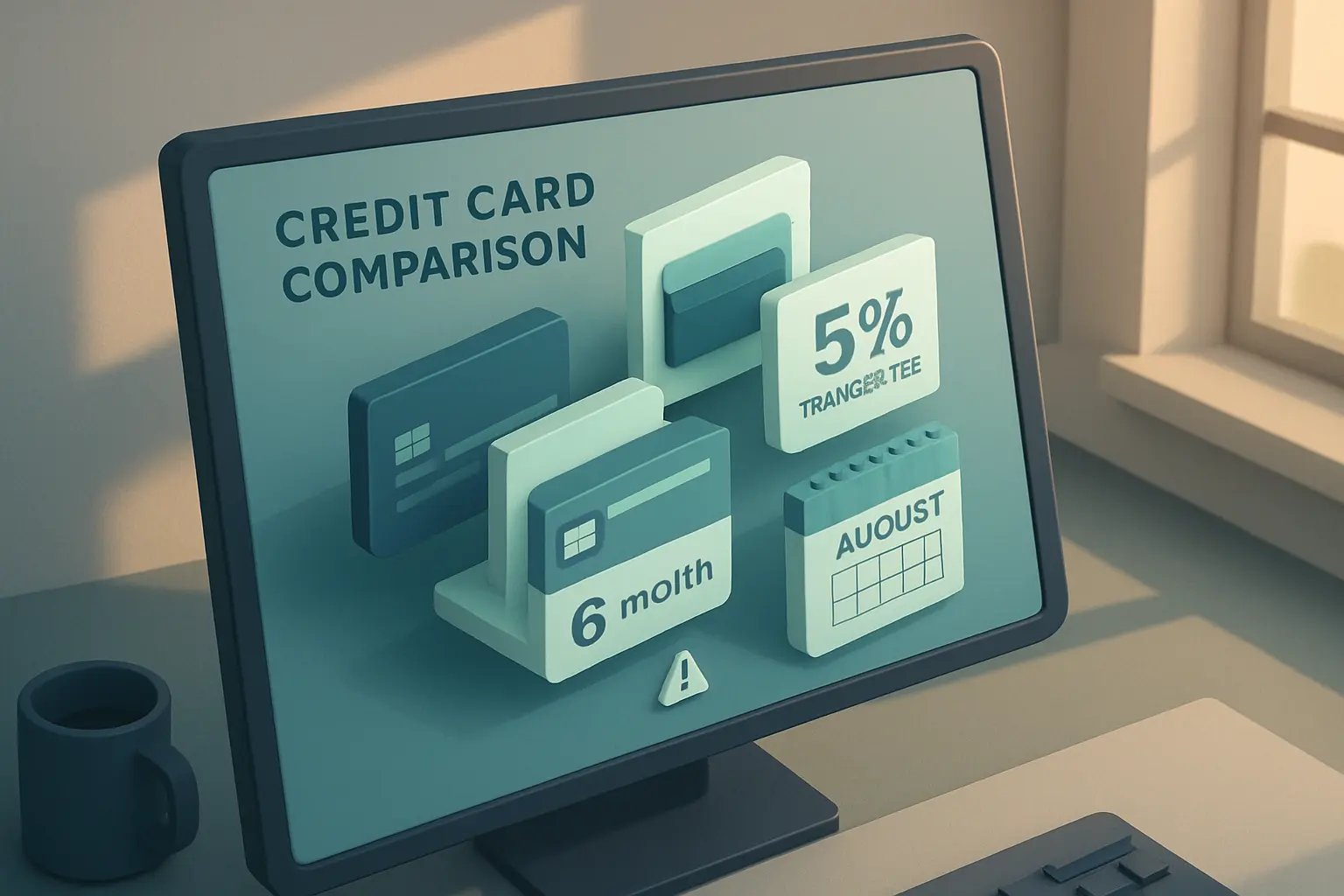

Why Summer Balance Transfer Deals Feel Scarcer Right Now
It used to be easier to spot a credit card balance transfer offer that looked like a clear escape hatch: a long 0% period, a manageable fee, and enough breathing room to make real progress on debt. This summer, many shoppers are noticing something different. The best offers seem shorter, the fees are heavier, and some of the most attractive no-fee options are far less common.
That shift is not just your imagination. Recent coverage of balance transfer offers getting weaker points to a tougher rate environment, persistent inflation pressure, and more cautious card issuers. One high-profile example: the Wells Fargo Reflect card recently increased its balance transfer fee from 3% to 5%, a change that can make moving debt more expensive up front. Separate reporting on the decline of no-fee balance transfer cards suggests those deals are also harder to find than they were before.
That does not mean a transfer is never worth considering. It does mean the math matters more now. Instead of chasing the longest 0% headline, it helps to compare fees, timing, approval odds, and backup options before applying.
Why card issuers are pulling back on the best transfer terms
When borrowing costs stay elevated, lenders usually become less eager to hand out generous debt-moving deals.
A balance transfer promotion costs the issuer money upfront, so tighter terms are one way to protect profit when the broader economy feels less forgiving.
That is the basic reason strong summer balance transfer deals feel scarcer. Card companies make these offers to win new customers or keep existing ones, but they also have to manage risk. When interest rates are high and household budgets look more strained, issuers may decide that long zero-interest windows and small transfer fees no longer make as much sense for them.
The result shows up in several ways. Some cards now give borrowers fewer months before the regular APR kicks in. Others still offer a promotional period, but charge more to move the balance in the first place. That fee matters because it is added immediately. A 5% fee on a $6,000 transfer means $300 in cost before you make the first payoff move.
Some lenders have also stepped back from rare no-fee transfer offers. Those cards were never common, but they gave disciplined borrowers a cleaner path to pay down debt without giving up a chunk of the balance at the start. As those options shrink, the market becomes less friendly to people trying to refinance expensive card debt with as little friction as possible.
Another factor is selectivity. Even when strong offers exist, they may be targeted more narrowly. A person with good credit may still see different terms than someone with only fair credit, recent high balances, or several recent applications. That can make online comparison harder, because the advertised deal is not always the one you will actually get.

What matters most now when you compare a balance transfer card
The strongest deal is not always the longest intro period; it is the one that costs the least while giving you a realistic payoff runway.
A shorter 0% offer with a lower fee can beat a longer promo if you are able to pay aggressively and avoid dragging the balance into the regular APR phase.
This summer, the comparison process needs to go deeper than the headline. Start with the transfer fee. If a card charges 3%, 4%, or 5%, calculate the actual dollars added to your debt. Then check the promotional APR length and ask a simple question: can you pay the transferred balance before that period ends?
For example, a 5% fee may still be worth it if your current APR is very high and you can pay off the balance well before the intro period ends. But if you are only likely to make minimums, a transfer can turn into a delay tactic rather than a real fix. Once the standard APR begins, the remaining balance may get expensive again.
It also helps to review credit score requirements before applying. The best transfer cards often go to applicants with stronger credit profiles. If approval seems uncertain, repeated applications can create more frustration without solving the debt problem. In that case, checking a current roundup of current balance transfer cards or a list of 0% balance transfer offers lasting at least a year can help you see what is broadly available, but your final terms may still depend on your credit file.
Look closely at the transfer window too. Some cards require the balance move to happen within a short opening period to qualify for the promo rate. Miss that deadline and the transfer may not get the advertised treatment. Add in annual fees, possible late payment penalties, and whether new purchases also carry a promotional rate, and the real picture becomes much clearer.
When a balance transfer still makes sense, and when another route may fit better
A transfer can still be useful, but only if it matches a payoff plan instead of just creating temporary relief.
Moving debt is only helpful when the new account helps you reduce what you owe faster than you would have without it.
Even in a weaker market, a balance transfer can still work for some borrowers. It may be a solid option if you have a clear payoff amount, enough income to attack the balance, and a credit profile strong enough to qualify for a decent offer. It can also help if your current card APR is so high that almost every payment is being swallowed by interest.
But this is also a good time to compare other paths. A personal loan with a fixed rate may be easier to budget if you need structured monthly payments. A hardship plan from your current issuer could lower pressure without requiring a new application. Nonprofit credit counseling may also be worth checking if the problem stretches across several cards, not just one. Those services do not guarantee lower costs, but they can help organize choices and explain whether a debt management plan fits your budget.
If your issue is mainly short-term cash flow, a transfer card may not solve the core problem. A lower rate helps, but it does not fix a budget that is already too tight for rent, groceries, insurance, and utilities. In that case, moving debt without changing spending or adding income can leave you with the same balance problem later, plus a new account to manage.
That is why honest self-screening matters. Ask whether the goal is true payoff or just more time. More time can be useful, but only if you use it to cut principal steadily.
How to shop carefully before you apply this summer
A little prep before applying can help you avoid paying more in fees or ending up with a transfer card that does not really fit.
The best application is usually the one you make after the math is done, not the one you rush through because a 0% banner looked promising.
Begin with your current card statements. Write down each balance, APR, and minimum payment. Then estimate how much you could realistically pay each month if a transfer reduced interest. That gives you a practical budget target instead of a wishful one.
Next, compare offers using total cost, not just promo length. Add the balance transfer fee in dollars, note the zero-interest period, and divide your transferred balance by the number of promo months to see the monthly payment needed to finish on time. If that payment looks unrealistic, the offer may not be as strong as it first appeared.
Before submitting anything, check whether the card issuer lets you prequalify without a hard inquiry. Not every lender offers that step, but it can reduce guesswork. Also review whether the regular APR after the promo would be manageable if some balance remains.
A short checklist can keep the process grounded:
- Check the transfer fee in dollars, not just percentages
- Confirm how many months the intro APR actually lasts
- Read the deadline for completing the transfer
- Estimate the monthly payment needed to finish before the promo ends
- Review annual fees and penalty terms
- Compare a transfer card with a personal loan or hardship plan if needed
Summer balance transfer offers are not gone. They are just less generous, more expensive, and sometimes more selective than many borrowers expect. That means the old shortcut of grabbing the first 0% offer is not as safe as it once was. Slow down, run the numbers, and compare what fits your credit and your budget before you move a balance. If debt costs have been squeezing your monthly cash, this is a good time to check which financial tools, relief paths, or lower-cost options may still work for you today.