
Trying to Build Credit in 2026? Pick the Right First Tool
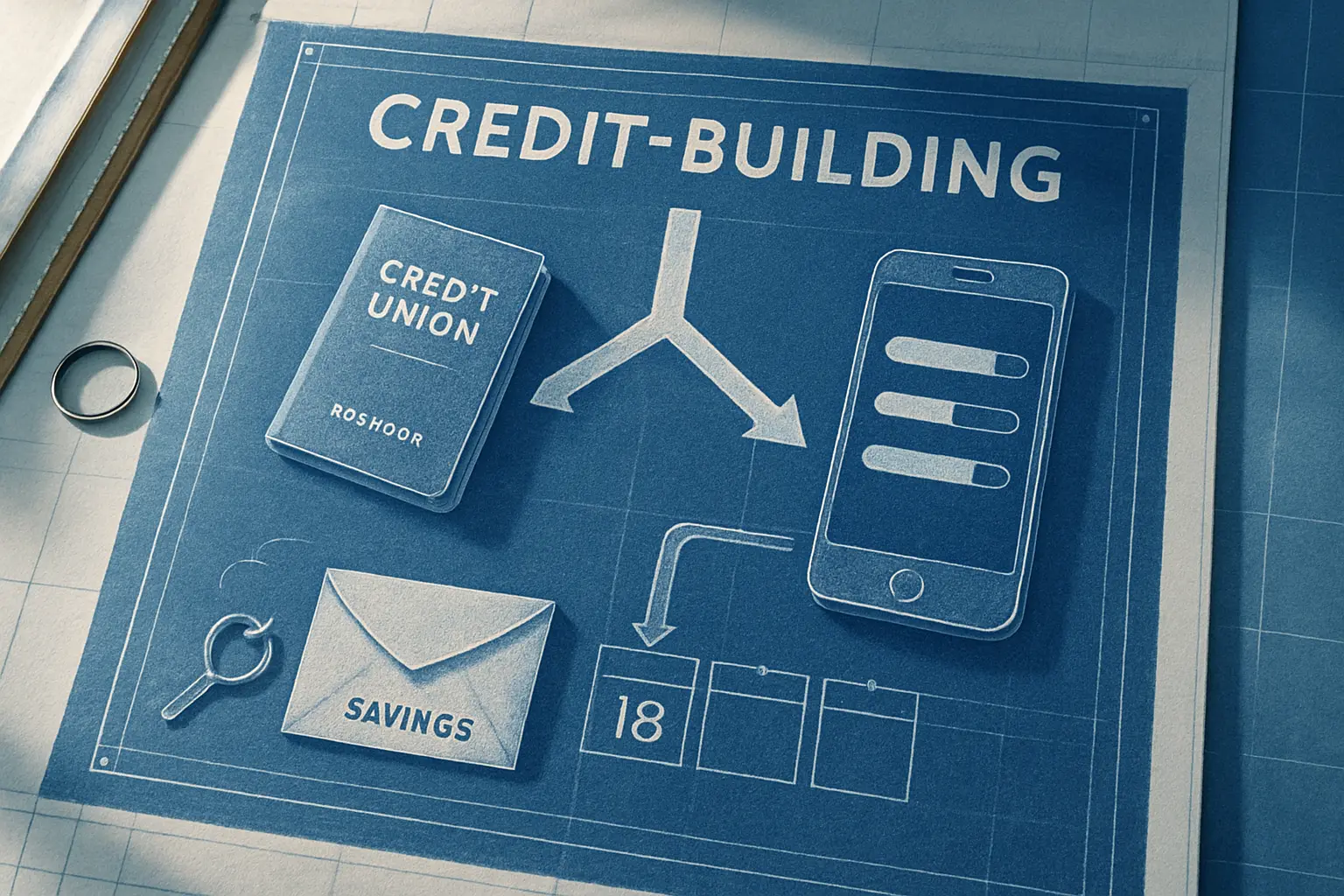
A thin credit file can shut doors quietly. Maybe an apartment deposit comes in high, a basic card offer never arrives, or a car loan quote looks rough. In 2026, two of the most talked-about credit-building paths are local credit-builder loans and app-based fintech products. Both can help some people create positive payment history, but they do not work the same way, and the cheaper-looking option is not always the better fit.
This topic is different from recent pieces about report updates and debt relief because the question here is not how to fix old damage. It is how to add useful positive history without taking on more risk than necessary. That means comparing structure, fees, reporting habits, and how each option fits your actual budget.
If you are choosing between a community-based loan and a fintech credit-building tool, the smartest move is to start with your goal, not the advertising. Some people need a simple installment account that reports on time every month. Others need a low-friction tool they can manage from a phone. Either way, the details matter more than the buzz.
What a community credit-builder loan is really doing for you
A local credit-builder loan is usually best understood as a forced savings plan that reports your payments while the money is held back until the loan term ends.
The appeal of a community loan is often not speed or flashy features, but the combination of structure, predictable payments, and a real relationship with a local lender.
Many credit unions, community banks, and community development lenders offer a version of this setup. Instead of receiving the loan funds up front, the money is commonly placed into a locked savings account or certificate. You make monthly payments, and the lender may report that activity to credit bureaus. After the final payment, you typically get access to the saved amount, minus any interest or fees built into the product terms.
That structure can be useful for someone who needs guardrails. If overspending is a concern, this approach removes the temptation to use borrowed money right away. It can also help if you want a clear start-and-end timeline. Published explainers on credit-builder loans, how these loans function, and who may benefit most all describe this same basic pattern.
The catch is simple: you still need enough room in your monthly budget to make every payment on time. A small installment you can handle is better than an ambitious one that creates a late payment. It is also worth asking the lender which bureaus it reports to, whether there are origination or membership fees, and what happens if you need the money early.
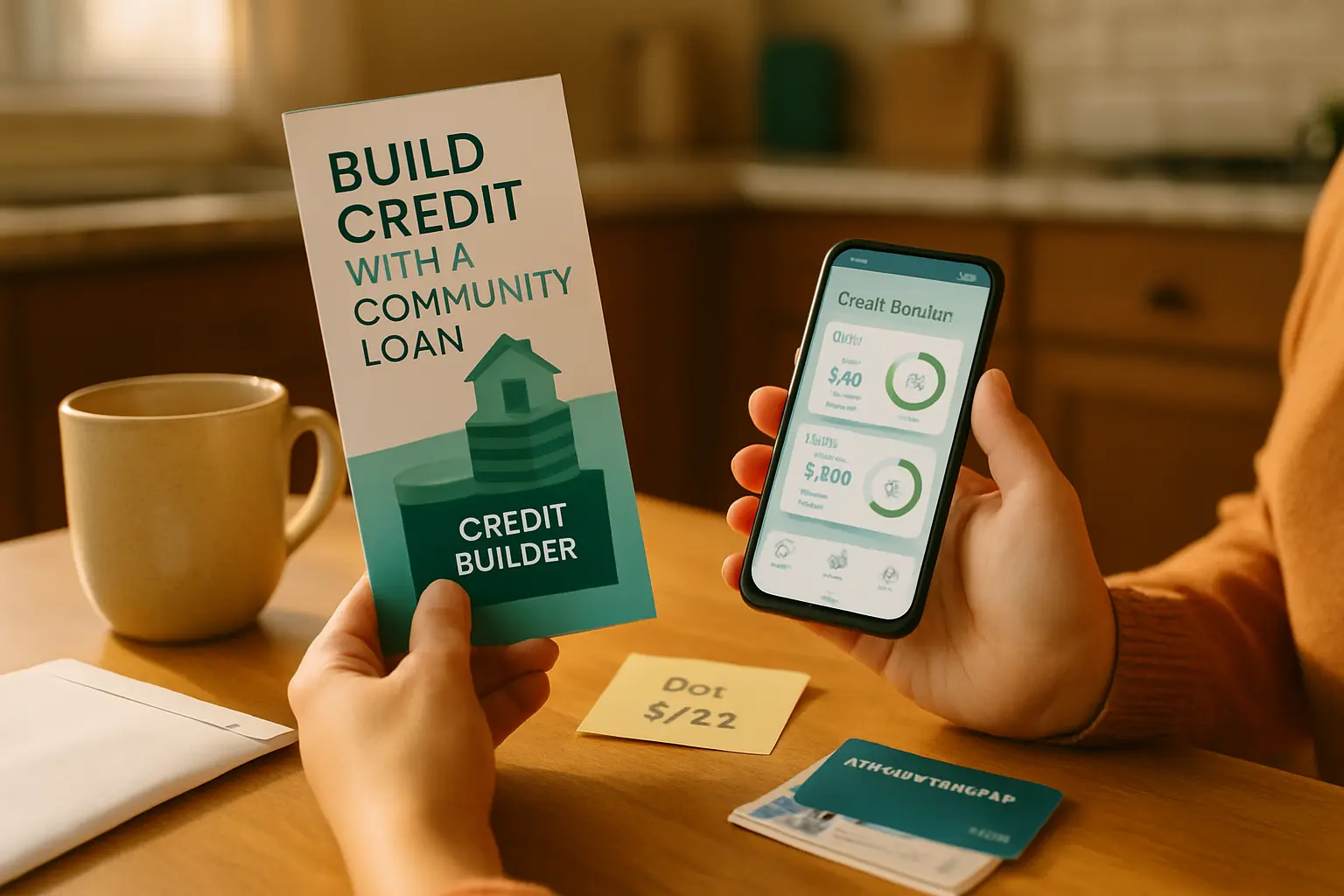
- Ask whether all three major bureaus receive payment data
- Check for membership requirements if the lender is a credit union
- Compare total fees, not just the monthly payment
- Confirm when the saved funds are released at the end
- Make sure the payment amount fits even in a tight month
For people who want a slower, steadier path and value local support, this route can be easier to understand than many app-based products.
Why fintech credit-building apps feel easier, and where they can get tricky
Fintech tools often win on convenience, but the real question is whether the feature set is building durable credit history or just adding another monthly subscription.
An app can reduce friction, yet lower friction only helps if the product reports reliably and does not push you into fees or habits that strain your budget.
Many newer platforms promise a smoother entry point. Some work by offering a secured spending account or card-like product that reports activity. Others focus on small scheduled payments, subscription-style membership models, or bundled banking features aimed at people with limited or damaged credit histories. A recent review of fintech credit builder apps highlights the main appeal: quick setup, mobile access, and fewer in-person barriers than a traditional lender may require.
That convenience can be real. For someone who does not belong to a credit union, wants to open an account from a phone, or prefers automatic payments, fintech can be a practical on-ramp. Some tools also let users see progress, manage funding, and connect payment sources in one dashboard.
Still, convenience can hide cost. Monthly platform fees, express funding options, linked account requirements, or small-print rules around reporting can make one app far more expensive than another. It is smart to ask four plain questions before signing up: What exactly is being reported, how often is it reported, what do I pay every month, and can I leave without penalty?
- Check whether the product reports as an installment account, revolving account, or both
- Read the fee page before connecting a bank account
- Look for autopay settings and failed-payment policies
- Watch for subscriptions that renew even if you stop using the tool
- Confirm whether a deposit is refundable and under what conditions
If an app sounds easy but the pricing is hard to find, that is a reason to slow down rather than a reason to rush.
How to decide which path matches your situation this year
The better choice usually depends on what you need most: hands-off structure, mobile convenience, lower fees, or a stronger chance of sticking with the plan month after month.
The best credit-building tool is not the one with the biggest promise. It is the one you can keep current without stress while it adds the right kind of history to your file.
Community loans and fintech tools can both be useful, but they serve different personalities and financial situations. A person who wants discipline and a built-in savings result may prefer a community loan. Someone with irregular work hours, no local banking relationship, or a strong preference for phone-based management may lean toward fintech.
Try sorting your decision around these real-life questions:
- Do you want a fixed monthly payment and a clear end date?
- Would a local branch or credit union support help you stay consistent?
- Do you need a product you can open fast without visiting anyone?
- Are monthly membership fees likely to bother your budget over time?
- Would you rather build credit through an installment pattern or card-like activity?
Another factor is what your credit file already lacks. If you have no installment history, a loan product may add something useful. If your file is very thin and you also need day-to-day account access, a fintech tool that reports ongoing activity may be worth comparing carefully. Roundups such as this comparison of credit-builder loan options can help you spot the main differences, but the final choice should come down to terms, reporting, and whether you can realistically maintain it.
One warning matters here: never open two or three products at once just because each one looks manageable on its own. Too many new accounts can complicate your budget and make it harder to track due dates. One tool used well is usually more valuable than several started in a burst of motivation.
What to check before you pay for any credit-building product
A short pre-signup review can protect you from paying for something that sounds helpful but does not fit your file, your budget, or your next financial goal.
Credit building works best when the product is boring enough to manage easily, affordable enough to keep, and transparent enough that you know exactly what is being reported.
Before choosing either route, pull together a quick checklist. Start by reviewing your current reports so you know whether you are building from scratch or layering new history onto a file that already has issues. Then compare products line by line.
Here is a practical screening list:
- Which bureaus receive the reporting?
- How long is the account term or membership commitment?
- What are the setup, monthly, and total costs?
- Is the payment due date easy to match with payday?
- What happens if you miss a payment or cancel?
- Will the account help you build the type of history you currently lack?
- Do you also need a local savings buffer more than another app?
It also helps to think ahead. If you may apply for a car loan, apartment, or starter credit card later this year, keep your timeline simple. Open the product, pay on time, and avoid stacking new obligations during the same stretch unless there is a clear reason.
Neither community loans nor fintech tools guarantee a score jump, approval, or fast results. What they can do is create a clean payment record when used carefully. That makes the monthly habit more important than the marketing language around it.
In the end, local lenders tend to shine for people who want structure and straightforward terms, while fintech tools often appeal to people who value speed and mobile access. Compare the real cost, the reporting method, and the chance that you will actually stick with it. Then check which option fits your budget and your goals today.