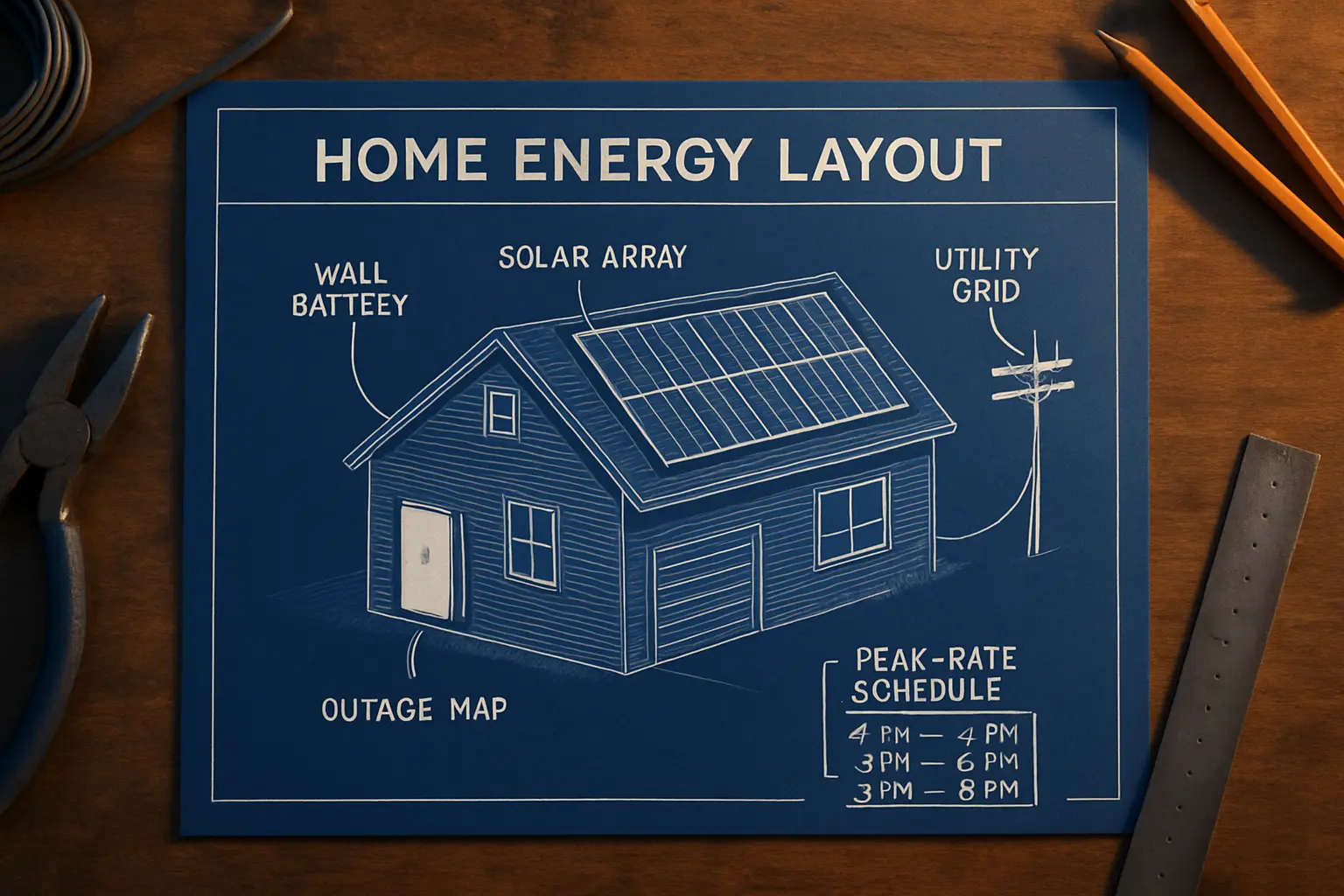

Not Sure Which Home Battery Savings Path Fits? Start Here
A storm knocks out the power, the fridge warms up, and the next electric bill still arrives right on time. For more households, backup power is no longer just about comfort. It is becoming part of the search for steadier energy costs, lower peak-hour bills, and less disruption when the grid fails. That has pushed more people to look at solar battery rebates, resilience grants, and state or utility incentives that can trim the upfront cost.
This topic is different from the site’s recent utility-bill and housing pieces because the main question is not whether a bill is wrong or a fee can be challenged. The question here is whether a home battery or backup power setup could qualify for public support and actually make financial sense for your household. The answer depends on where you live, what kind of property you have, how the system will be used, and whether your state, utility, or local government has a current program.
At the federal level, the home energy savings information from the U.S. Department of Energy and the Residential Clean Energy Credit from the IRS are important starting points. Some battery systems may qualify for the federal residential clean energy tax credit when they meet current rules. Beyond that, many of the real opportunities are state, local, or utility-run.
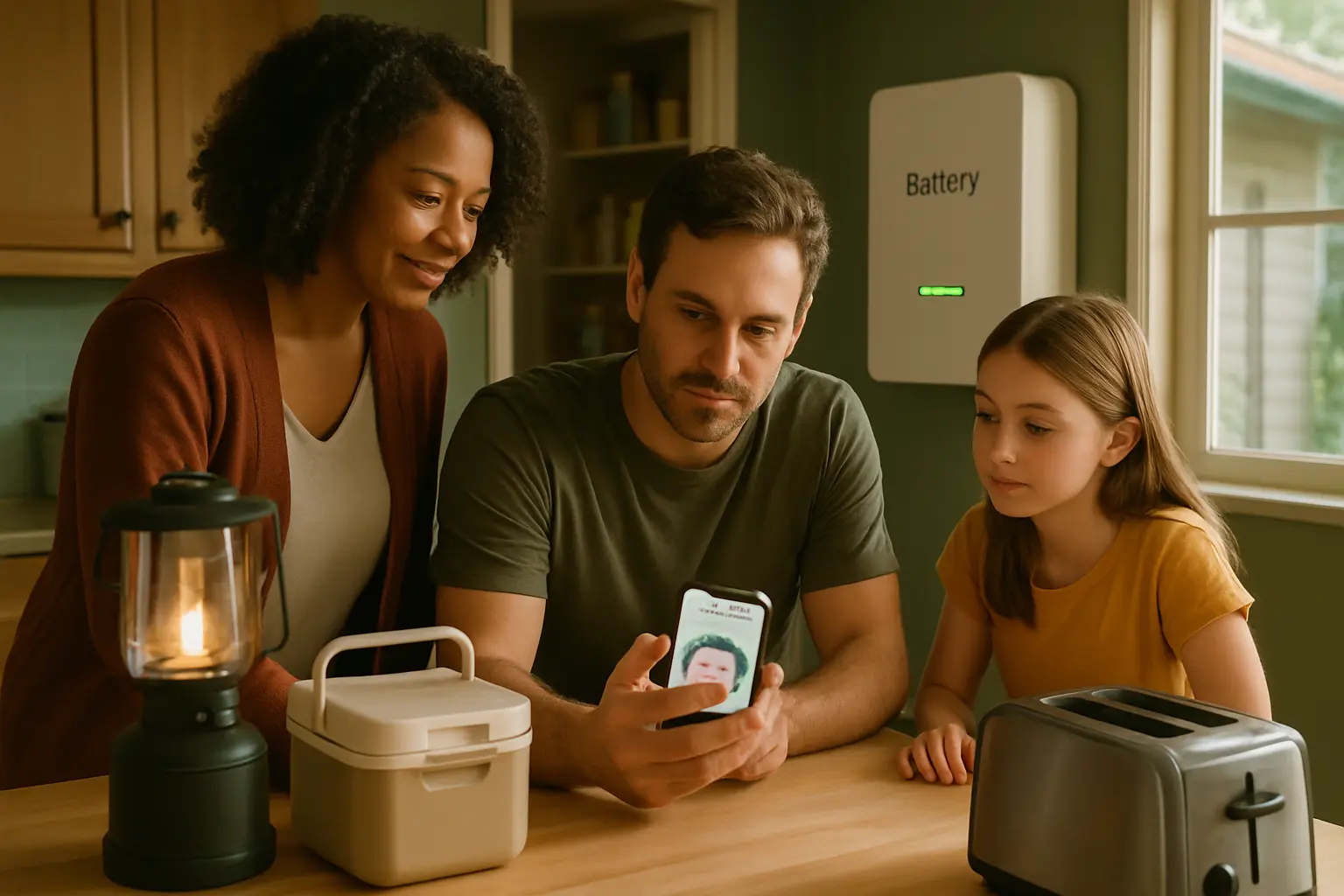
First decide whether you need outage protection, bill savings, or both
The most useful first step is identifying what problem a battery would solve in your home before you start chasing rebates.
A backup battery can be a resilience tool, a bill-management tool, or both, but the best program fit often changes depending on which goal matters most.
Some households mainly want lights, refrigeration, medical devices, or internet to stay on during outages. Others care more about using stored power during expensive evening hours, especially in places with time-of-use rates or high demand charges. A third group wants both. That distinction matters because some public incentives are built around resilience, while others are tied more directly to clean-energy adoption or grid benefits.
Start with a short home check:
- How often does your home lose power?
- Do you have refrigerated medications, medical equipment, or remote-work needs?
- Is your electric bill highest during certain hours?
- Do you already have rooftop solar, or would a battery be your first energy upgrade?
- Do you own the property, or are you in a condo, co-op, or manufactured home situation?
If you are mostly trying to reduce a monthly bill, ask your utility whether battery storage can participate in any demand-response, virtual power plant, or peak-reduction program. If you are mostly focused on emergency backup, search your state energy office, emergency management office, and local utility for terms like resilience program, battery rebate, or backup power grant.
This is also the point to be realistic. A battery setup can be valuable, but it is not the cheapest answer for every home. Some people may benefit more from weatherization, a utility discount program, or appliance upgrades first. The goal is to match the tool to the pressure point instead of assuming every clean-energy incentive is automatically the best buy.
Federal tax credits matter, but state and utility programs may shape the real deal
Many households hear about the federal tax credit first, yet local rebates and utility programs often determine whether the project feels affordable.
A tax credit can lower your net cost later, but a rebate or grant can matter more if your biggest barrier is cash upfront.
The federal Residential Clean Energy Credit is one of the best-known support paths for eligible clean-energy property, including certain battery storage technology under current IRS rules. Because tax credits reduce tax liability rather than handing out cash at the time of purchase, they can help some households a great deal and help others less, depending on income tax situation. That is why it helps to read the IRS guidance directly and consider professional tax advice if your situation is complicated.
Meanwhile, many of the more practical offers are regional. State energy offices, public utility commissions, municipal utilities, and investor-owned utilities may offer:
- Upfront battery rebates
- Home resilience grants
- Incentives for pairing batteries with solar
- Payments for letting the utility draw on stored energy at peak times
- Critical-needs programs for medically vulnerable households
A good national search tool is the DSIRE incentive database, which tracks many state, local, utility, and federal clean-energy incentives. The Department of Energy also links homeowners to energy-saving and electrification resources through its consumer hub.
When reviewing a local offer, check whether it is truly a rebate, a performance payment, a financing incentive, or a tax benefit. Those are not interchangeable. A rebate might lower the install price. A tax incentive may help later. A virtual power plant offer might require the battery to operate in certain ways that are great for bill savings but less ideal if your main goal is keeping every bit of stored energy for outages.
That fine print is where a decent offer can become either a smart fit or a frustrating mismatch.
Some programs give priority to high-risk, medically vulnerable, or lower-income households
If backup power is tied to health, disability, wildfire risk, or repeated outages, look for resilience-focused programs instead of only standard solar marketing offers.
The strongest support sometimes appears not as a general clean-energy perk, but as a safety or disaster-readiness measure for households with higher risk.
Not every battery incentive is open to everyone in the same way. In some areas, programs target households in wildfire zones, frequent blackout regions, rural outage-prone locations, or homes where someone relies on powered medical equipment. Other programs focus on lower-income homeowners, environmental justice communities, or neighborhoods with fragile grid conditions.
That means a family caring for an oxygen user or an older adult may have a different pathway than a household mainly seeking lower peak-hour costs. It is worth checking:
- Your state’s energy office
- Your state’s emergency management agency
- Your utility’s medical baseline or medical needs program
- Community action agencies
- 211 for local disaster-preparedness and housing referrals
For basic federal referral pages, USA.gov energy-bill help and the LIHEAP overview can still matter, even though LIHEAP is not a nationwide battery grant. In some places, weatherization and energy-assistance networks may know about related home resilience funds, cooling support, or local nonprofit grant pools.
It also helps to ask whether a battery is the only eligible upgrade. Some grants are broader and may prioritize electrical panel work, efficiency upgrades, or solar-plus-storage packages rather than battery-only installations. If a program requires an energy audit, income documents, proof of property ownership, or medical certification, gather those early. Funding windows can be short, and some programs close once allocations are exhausted.
For households under real outage stress, speed and paperwork readiness can matter as much as eligibility itself.
Compare financing, installer promises, and utility rules before signing anything
The smartest consumer move is to compare the full project cost and program conditions before assuming a rebate makes the deal worthwhile.
A battery discount can still lead to a bad purchase if the financing is expensive, the savings are overstated, or utility interconnection rules are ignored.
Once a possible rebate or grant appears, slow down and compare the whole project. Ask at least two or three installers for written estimates. Look for equipment size, expected backup capacity, warranty length, interconnection steps, and whether the quote assumes participation in a utility program.
Use a comparison page with:
- Total installed price before incentives
- Expected value of each incentive
- Whether the incentive is immediate or claimed later
- Monthly financing payment, if any
- Estimated bill savings
- Expected backup duration for essential loads
- Any requirement to share stored energy with the grid
Be careful with promises that sound too neat. Savings depend on your rate plan, outage pattern, usage habits, and local rules. No installer can honestly guarantee the same results for every household. Also ask your utility whether the system needs approval, whether net metering or battery export rules apply, and whether a time-of-use plan changes the economics.
Some readers may also want to explore lower-risk ways to fund a project. If an installer pushes high-cost financing, compare options with your bank or credit union first. A rebate should support a solid project, not distract from an expensive loan. And if your home still needs basic efficiency work, it may be smarter to combine or sequence improvements instead of treating the battery as the first and only answer.
Clean-energy support can help, but only when the numbers and rules line up with your home.
A short action plan can help you find real battery savings faster
The easiest way to cut through the noise is to follow a simple search and screening order this week.
Most homeowners do better with one organized hour of official research than with a week of ads, cold calls, and half-remembered program names.
Start with your own situation, not the installer pitch. Write down whether your main goal is outage backup, lower peak-time bills, or both. Then look up your utility’s battery policies and your state’s current incentives.
Try this same-week checklist:
- Check the IRS clean energy tax credit rules
- Search the DSIRE database for state and utility storage incentives
- Review your utility’s demand-response or virtual power plant offers
- Ask whether medical-needs or resilience programs exist in your area
- Gather proof of ownership, electric bills, and any income or medical documents that may matter
- Get multiple written installer quotes
- Compare financing, rebate timing, and expected savings before signing
Not every home will qualify, and not every battery project will pay off quickly. Still, this is a real category of aid worth checking, especially for households dealing with blackout risk, high evening rates, or medically sensitive power needs. The best results usually come from combining official program checks with careful quote comparison. If backup power or lower peak bills would meaningfully help your household, now is a smart time to see which battery rebates, resilience grants, or utility offers may fit where you live today.