Will Your SNAP Amount Shift as Summer Utility Rules Change?
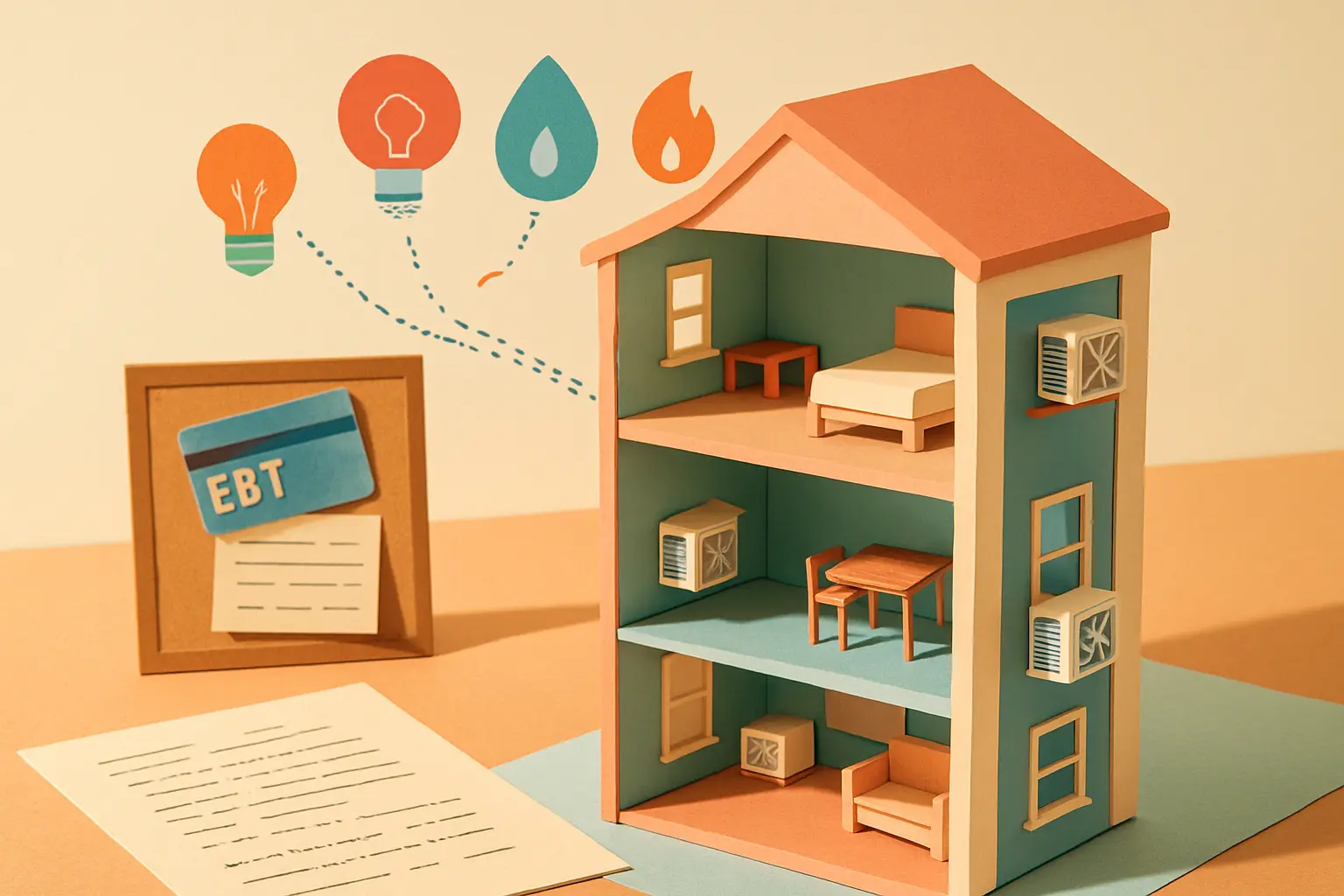
An air conditioner kicks on, the electric bill creeps up, and a SNAP household starts wondering whether higher summer utility costs will show up anywhere in the benefit calculation. In some states, that question matters more right now because the utility figures used in SNAP budgeting are being updated for warmer-weather months and for the current benefit year.
This topic is different from a general high-bill guide. The issue here is not how to lower a power bill directly. It is how a household expense rule inside SNAP can affect food benefits when states revise their utility allowance amounts. The key term is the Standard Utility Allowance, often shortened to SUA. Under SNAP utility allowance rules, states may use standardized utility figures when figuring certain shelter deductions instead of calculating every utility bill dollar by dollar.
That does not mean every household will see a change, and it does not mean a bigger allowance automatically turns into a larger EBT deposit in every case. Still, if your state updates the allowance for summer or for the current year, it is worth checking how your case is being budgeted.
What the utility allowance does inside a SNAP budget
The allowance is a budgeting tool, not a separate payment for your power bill.
A revised utility figure can change the shelter deduction used in your SNAP case, which may change benefits even though no extra utility check is issued.
This is the part that trips people up. SNAP does not usually send a second payment labeled for electricity or gas. Instead, states can use a set allowance when they calculate shelter costs for households that qualify to have utilities counted. That standardized amount can stand in for certain utility expenses in the benefit formula. The federal rule page on SNAP utility budgeting explains the broad framework, but each state sets and updates its own numbers.
Why does that matter? Because SNAP benefits are influenced by income and deductions. If the deduction used for shelter costs changes, the final benefit number may change too. A household with rent and qualifying utility responsibility may be affected differently from a household with utilities included in rent or a household that does not meet the state rule for a full allowance.
That is also why neighbors with similar bills may not get the same result. Case details matter, including household size, countable income, rent, heating or cooling responsibility, and whether the household already receives another related energy benefit that affects which utility figure the state uses.
In short, the allowance is part of the math behind your SNAP amount. It helps explain why a caseworker may ask about cooling costs, heating responsibility, or whether you pay utilities separately from rent.
Which state updates are drawing attention this spring
Recent announcements suggest some states are adjusting their figures ahead of the summer billing season or for the 2026 benefit year.
State utility allowance updates are routine, but they matter most when a household is close to the margin where a deduction change could move the final benefit.
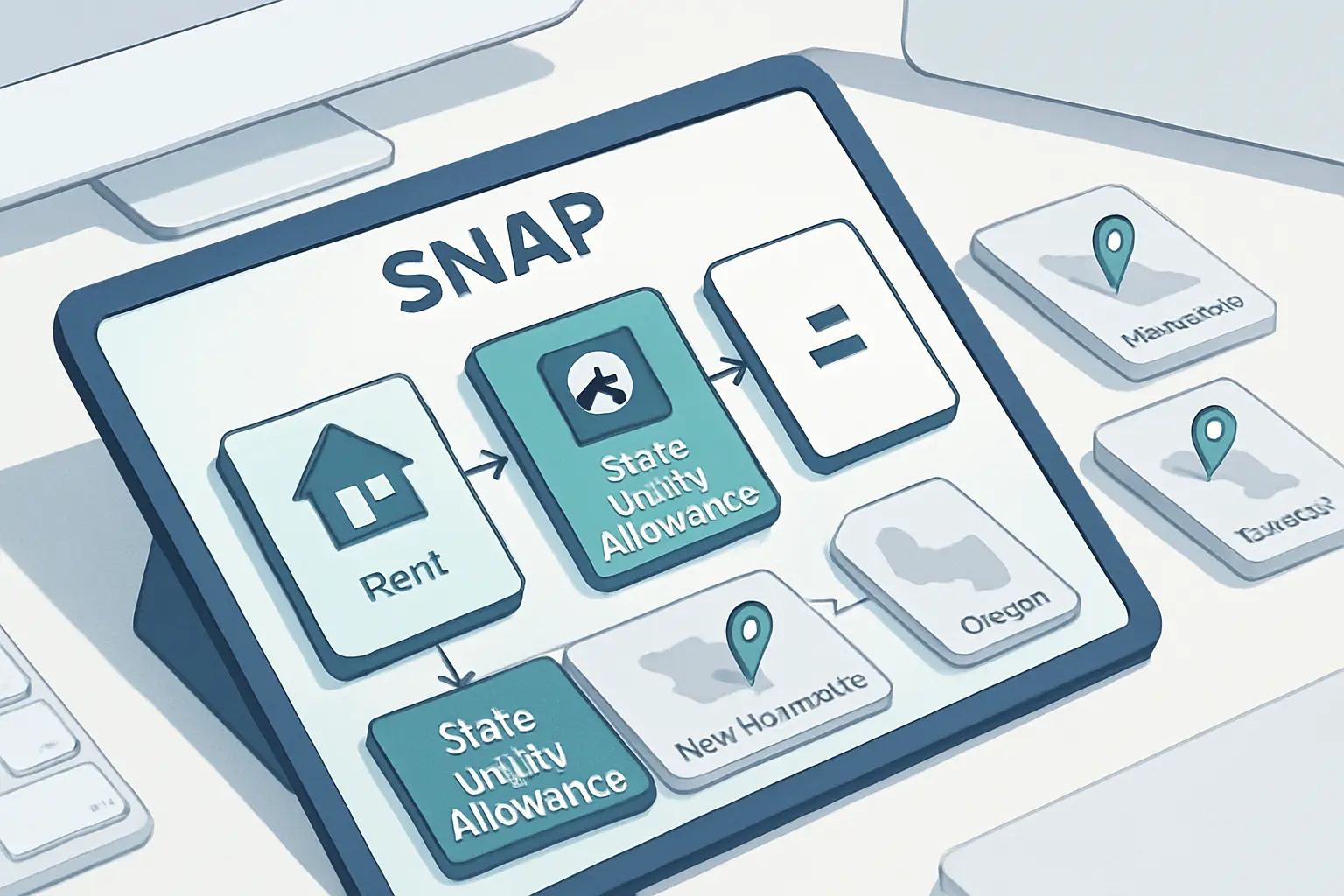
Several states have posted or announced revised amounts in April 2026. Minnesota reported a seasonal adjustment for summer 2026 through its updated utility allowance notice. New Hampshire also announced changes affecting SNAP budgeting through its 2026 utility update. New York and Oregon each published their own revised figures through New York’s SNAP utility figures and Oregon’s revised utility allowance.
The important point is not that every state changed in the same way. It is that these amounts are state-based, so your result depends on where you live and which allowance category applies to your case. One state may post a higher summer figure because cooling costs are rising. Another may revise categories or update annual numbers based on local utility patterns and federal guidance.
If you moved recently, this matters even more. A household switching from one state to another may find that the local SNAP budgeting approach works differently, even with similar rent and utility bills.
It is also possible that a new state amount will not affect your case immediately. Some changes apply at recertification, some at a periodic report, and some when the agency processes a reported household change. That timing difference is one reason a household may hear about an update before seeing any effect.
Who is most likely to notice a difference in benefits
Households that pay separate utilities and have tight benefit calculations are often the most likely to see a shift.
A revised allowance matters most when utility responsibility is already part of the case and the household is not already at the maximum benefit for its size.
Not every SNAP household will see movement when these figures change. A few groups are more likely to notice it.
One is households that pay heating or cooling costs directly and already use a utility allowance in the shelter part of the SNAP budget. Another is households with earned income or fixed income near the point where a deduction change could raise or lower the final amount. A third is households going through recertification soon, because updated state figures are more likely to be applied during a fresh case review.
Meanwhile, some households may see little or no effect. If you already receive the maximum SNAP benefit for your household size, a larger deduction may not increase the allotment further. If utilities are bundled into rent and the state is not using the same category for your case, the change could be smaller or nonexistent. If a household no longer has direct cooling or heating responsibility, the outcome may differ from prior months.
This is also a good reminder that an updated utility amount is only one piece of the formula. Income changes, rent changes, child care costs, and household composition can all outweigh or combine with it. That is why it is risky to assume a state announcement guarantees a certain dollar increase.
Instead, think of the allowance update as a reason to review whether your case details are correct. If the agency has the wrong rent amount, does not show that you pay electricity separately, or has outdated household information, the budgeting result may miss the mark.
What to check on your case before summer bills climb higher
The smartest move is to verify the facts on your SNAP case, not to guess what the formula should do.
A household usually has the strongest case for a correction when it can point to specific facts the agency needs to budget properly, such as separate electric responsibility or a recent rent change.
Start with your most recent notice of action, recertification papers, or online case summary if your state provides one. Look for the basic items that shape the shelter portion of the budget:
- Monthly rent or mortgage amount on file
- Whether utilities are listed as included or separate
- Whether you are responsible for heating or cooling costs
- Any recent move or household change not yet reflected
- The date of your next renewal or periodic report
Then compare that information with your actual living situation. If you now pay for electric service in your own name, started paying for cooling, or had a rent increase, ask your state SNAP agency how and when to report it. Use your state’s official application or account portal rather than relying on a general search. The federal agency page on utility allowance basics can help you understand the concept, but the state office handles the case details.
It also helps to keep current records in one place:
- A recent lease or rent statement
- One or two utility bills
- Any move-in documents showing separate utility responsibility
- Your latest SNAP notice
- Proof of any related benefit or energy assistance if your state asks for it
If a caseworker or call center representative explains that the updated amount will be applied later, write down the date and what event will trigger the update. That makes follow-up easier if the case is not corrected when expected.
Why this update can be worth reviewing even if your SNAP stays the same
A case review can still uncover other deductions or reporting issues that affect your food budget.
Sometimes the real value of checking a utility update is finding another detail that was entered wrong or never reported in the first place.
Even if your SNAP amount does not change after a utility allowance revision, reviewing the case can still pay off. Many households find that one of the shelter facts is off, a recent move never got fully processed, or another allowable deduction was overlooked. That can matter more than the state utility revision itself.
It is also a good time to look at the bigger household picture. If summer utility costs are rising and groceries are still tight, ask whether your state or utility company has any energy help open now. This article is about SNAP budgeting, not direct bill assistance, but the two can affect the same household budget in different ways. A lower utility burden from another program may reduce pressure even if your SNAP calculation barely changes.
One more practical point: do not assume a social media post showing a state chart tells you exactly what your own case should do. State figures are real, but each household budget is still individual. The result depends on case timing and the full set of deductions and income counted by the agency.
Summer utility changes inside SNAP can feel invisible because they happen behind the scenes. Still, they are worth a look when energy use is about to rise and every grocery dollar matters. Check your state’s official SNAP information, review what your case says about rent and utilities, and see whether your file reflects your household as it actually looks today.
If summer costs are already squeezing the month, now is a smart time to confirm which deductions and support programs may apply in your area.