

Unemployment Spike Worries? Key Jobless Support Moves to Know in 2025
As reports hint at rising unemployment in several sectors, states and the federal government are ramping up new (and old) support programs to help households weather unexpected stretches without a paycheck. If you or someone you know is worried about layoffs, understanding the latest jobless benefit moves could make all the difference when bills come due.
What’s Different About Today’s Unemployment Support?
Recent months have seen a fresh focus on expanding unemployment benefits and layering on extra relief, with some programs widening who can qualify—and for how long.
Unlike typical periods between jobs, today’s landscape includes:
- Extended benefit periods in several states—lasting 13–26 weeks beyond regular UI for those affected by mass layoffs or sector downsizing.
- Extra monetary supplements being reintroduced in select areas, especially where unemployment spikes rapidly or after disaster events.
- Partial unemployment options: for workers whose hours are cut sharply, rather than losing jobs entirely, some states now allow a “short-time compensation” or partial UI claim.
- Expanded eligibility for self-employed, gig workers, and those previously ineligible during previous downturns—always check your state’s rules, as some extensions only activate when rates rise.
How Does the Application Process Work—and Who Can Apply?
Applying early and correctly is the surest way to unlock timely support—the best outcomes go to workers who file within days of a job loss, not weeks.
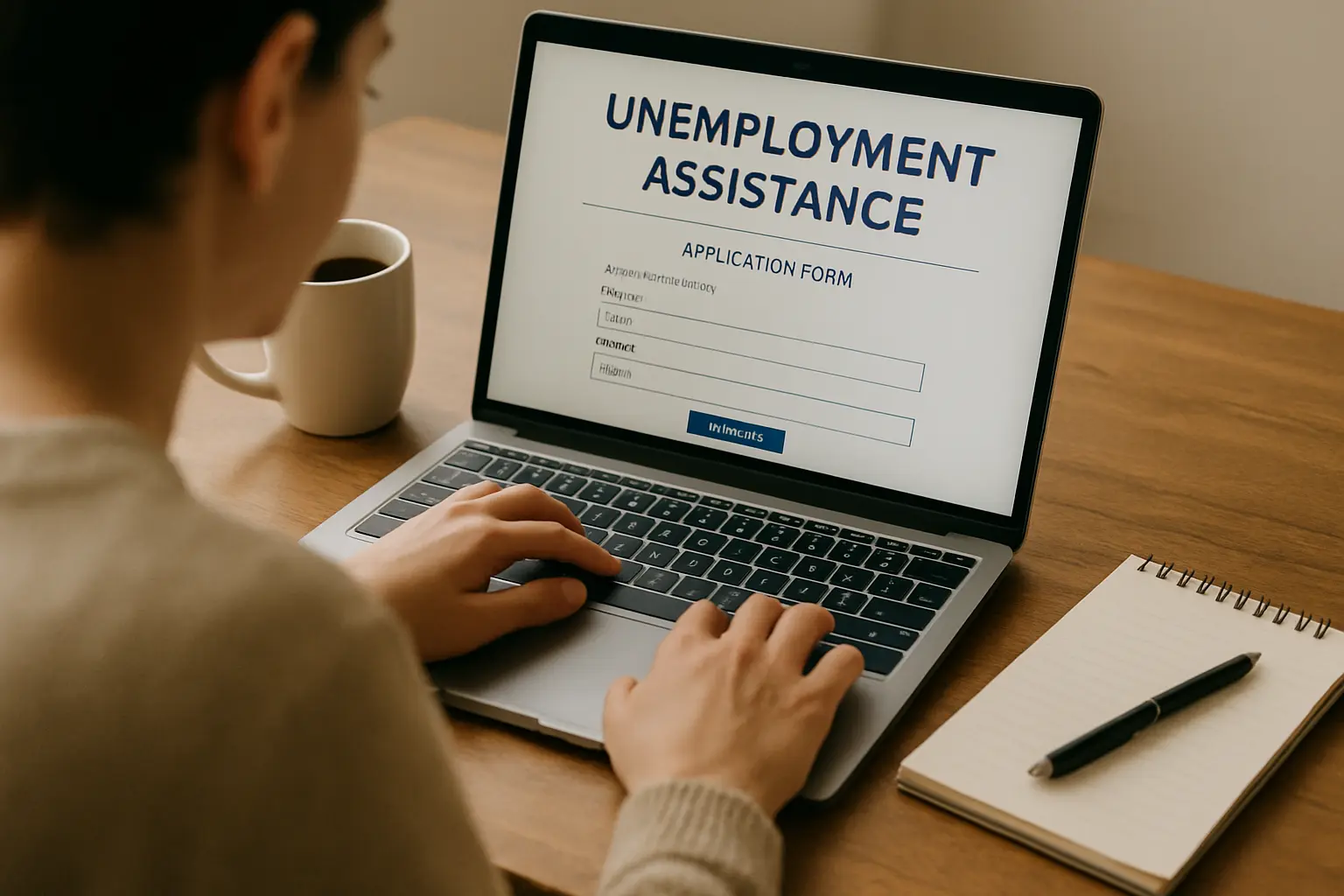
For most, the process starts at your state unemployment office online portal (see CareerOneStop’s directory for quick links). You’ll typically need:
- Documentation of your last employer (paystubs, separation letter, W-2/1099).
- Your Social Security number and proof of U.S. work eligibility.
- Current address and contact info.
- Details on earnings for the past 12–18 months (paystub uploads or work logs for gig workers/freelancers).
Pro tip: Many states allow you to pre-fill portions of your claim so you’re ready to submit on your last work day. Some also provide translation, accessibility aid, or remote guidance to start your claim quickly.
Eligibility is often wider than many assume—recent expansions in states like Michigan, California, and New York cover more workers, including some part-timers and those with mixed income sources.
Are There Any New Programs or Emergency Relief Add-Ons?
Alongside classic UI, emergency supplements and layered aid programs are touchstones for the current policy landscape, especially in states hit harder by layoffs.
Watch for these expanded offerings in 2025 and during times of increased national claims:
- Emergency Unemployment Compensation (EUC): Limited-time federal top-ups can add weeks and extra dollars to state checks if Congress authorizes them, usually when jobless rates spike nationally.
- Work-share or short-time compensation: For businesses cutting hours rather than issuing pink-slips, some regions now offer smaller, partial benefit checks—keeping more people connected to their employer and health plans.
- Related supports: Loss of income can enable enrollment in energy bill grants, Medicaid, SNAP, and even fast-track payment assistance for loans and rent. Use state or official one-stop benefit checkers (benefits.gov) to see side programs you may now qualify for.
- Job recovery accelerators: Several regions are pouring new funds into fast retraining, short certificates, and temp wage bonuses for rapid reemployment. Ask your local workforce agency what’s launching now—most retraining grants and scholarships are first-come, first-served.
Next Steps: How to Maximize Support—Even if You’re Not Sure You’re Eligible
Don’t self-filter because you’ve been denied before, worked a side gig, or lost hours instead of employment—2025’s expanded focus means more are eligible, and documentation flexibilities shift often with economic shocks.
- Apply for unemployment as soon as you lose hours or a job, not after you drain savings.
- Gather supporting documents in advance and keep all communication from your employer (for appeals or faster approvals).
- Cross-check all related programs: Local rent and utility relief, Medicaid, marketplace health coverage, and food support all expand eligibility after job loss—your state navigator or one-stop workforce center can coordinate help.
- Stay updated: Follow your state’s unemployment page and sign up for alerts on federal extensions or new benefit tiers, as changes can happen within weeks during economic shocks.
Getting through a layoff or sudden income hit might always be stressful, but this year’s bigger suite of unemployment, emergency, and household relief options can cushion the blow for many. Curious what support you could get after a job cut? Take a few minutes to run an eligibility or price estimate today on your state unemployment and benefits portal.