
How New Collection Rules Can Help You Halt Unwanted Debt Calls This Winter
If the ringing phone has you dreading another collection call, you’re not alone—and this season, new rules are giving households concrete ways to make it stop. With updates from the Consumer Financial Protection Bureau (CFPB) now firmly in place, everyday Americans have more control than ever over how debt collectors can contact them.
Debt Collection Calls: What’s Changed—and Why It Matters Now
Tough times often bring an increase in collection activity, and winter bills can add to the stress. But as of late 2021, new Federal regulations set clear boundaries on when and how often collectors may reach out. For example, most debt collectors are now limited to seven phone calls per week per account, giving you real breathing space if the calls were overwhelming.
“Collectors can’t call before 8 a.m. or after 9 p.m.,” according to CFPB guidance. “And if you say in writing that you want certain types of contact to stop, they’re legally obligated to honor your request.”
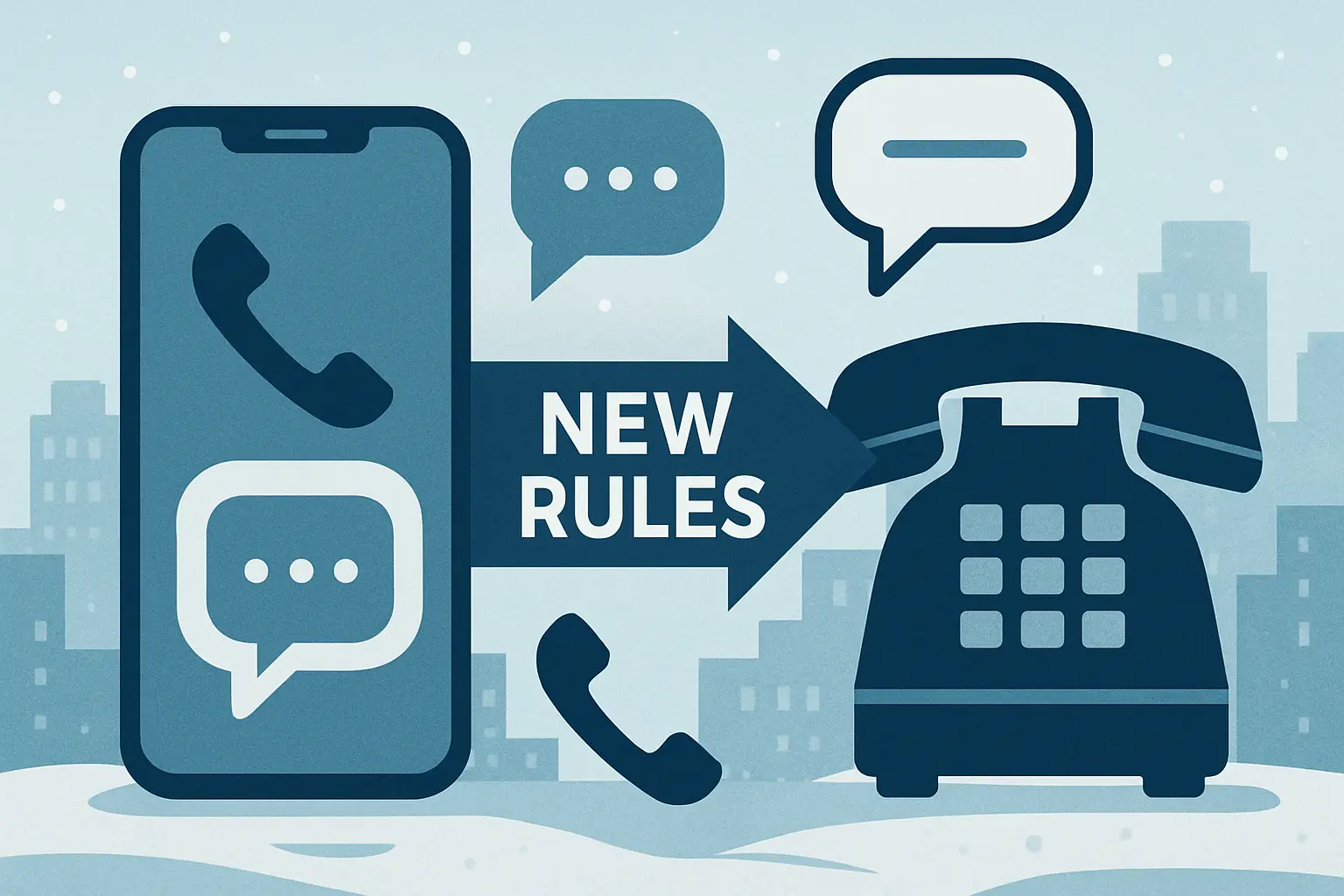
Electronic communications also come with added consumer rights—think texts or emails, which must give you clear ways to opt out. This gives everyone—including folks managing multiple debts—a path to reduce unwanted communication and interruptions, even outside the old ‘do not call’ rules. Learn more about current rules here.
Can You Make Debt Collectors Stop Completely? How Rights Work in Real Life
The law provides tools—not magic wands—but knowing how to wield them matters. If you send a written request asking a collector to stop all contact about a specific debt, they must comply, with a few exceptions (such as confirming debt or sharing suit notices).
“You never have to accept harassment, threats, or relentless calls—every consumer has the right to demand respect and fair conduct.”
Under the Fair Debt Collection Practices Act, collectors can’t misrepresent who they are, use abusive language, or contact you at work if you ask them not to. If contact continues against your written wishes, it’s your right to keep a log, save correspondence, and submit a complaint via the CFPB’s portal. Empower yourself by sending certified mail or using email’s delivery confirmation for records.
Practical Steps to Protect Yourself—And Where to Get Support
Taking action starts with organization:
- Keep a record of contact (dates, times, caller ID, notes) for every encounter.
- Consider using the CFPB’s template letter to formally stop or limit communications (see sample letters here).
- If you spot inaccuracies, immediately dispute the debt in writing and request verification.
- Reach out to a trusted nonprofit credit counselor if you need help managing bills or crafting letters—many offer free or low-cost intake sessions.
“Your rights aren’t just words on paper—taking a few organized steps can halt repetitive calls and keep your winter a little calmer.”
If English isn’t your first language or you need an advocate, the CFPB’s resources are available in several languages, and legal aid agencies in many states help with debt-related complaints or lawsuits. Reviewing your state Attorney General’s website for additional protections is also a wise move—state rules sometimes offer more robust relief than Federal law.
Managing debt is never easy, but this winter’s strengthened rules mean you have real options to set boundaries and get relief from constant calls. Take a few minutes to see which protections or local debt management programs apply to your situation—you could find more peace of mind and control than you imagined possible this season.