How State Debt Buyback Programs Are Making Surprise Relief Possible for Some Households
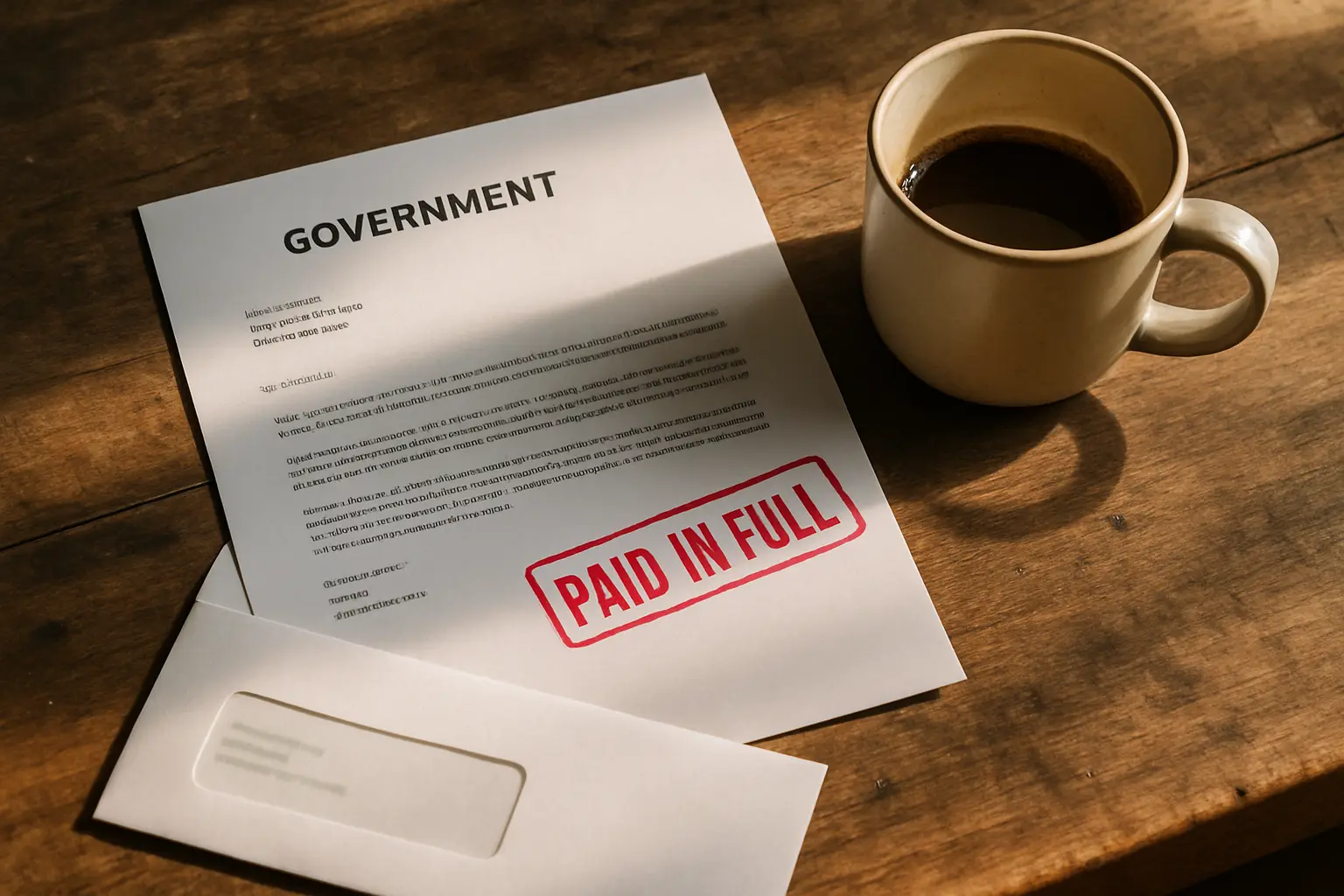
Picture this: you open your mailbox, spot a hospital bill, and expect the worst—only to learn your state quietly wiped it away. Debt buyback programs are transforming that moment from dread to relief for families in several states, with a new wave of medical and utility debt cancellations making headlines in 2025. Could these initiatives change your own financial future?

What Are State Debt Buyback Programs—And Where Are They Growing?
State debt buyback programs are a new breed of financial relief: government agencies use special funds to purchase portfolios of unpaid medical or utility debts from hospitals, collections agencies, or utility providers for a fraction of their original value. Then, instead of trying to collect, these states erase qualifying debt—no strings attached for eligible residents.
Some states, like New Jersey and North Carolina, are already seeing tens of thousands of residents with medical debts wiped away, especially if bills were older or above certain income thresholds. Recipients are often notified by mail or through their health provider, with no repayment required.
Expansion efforts vary. For example, in New Jersey, any hospital or utility debt over 5% of annual income could be canceled. Meanwhile, utility-focused states pair with nonprofits to clear electricity or water arrears in bulk, especially in regions hit by natural disasters or prolonged economic hardship.
Such buybacks offer hope: medical debt relief alone could help improve credit and overall well-being for millions—though the programs don’t reach everyone automatically, and each state sets its own criteria and outreach tactics.
Who Qualifies and How Are Debts Chosen for Relief?
Eligibility for buyback programs is not uniform. Most states build in income limits—often linked to the federal poverty level—or focus on residents carrying medical debt that eats up a significant chunk of their annual income. Some prioritize those in Medicaid, food assistance, or with other hardship certifications.
“Buyback programs target people who fall through the cracks—families who don’t qualify for charity care, but still can’t pay giant bills. Relief may also extend to low-income utility customers who fell behind during extreme weather or public health emergencies.”
Debts are typically selected behind the scenes as states strike agreements with hospitals or utility companies, sometimes guided by outside nonprofit partners. This means that, for many consumers, the first sign of forgiveness is a letter alerting them their debt was canceled—or won’t appear on their credit at all. Proactive checking, however, is smart; contacting your state’s health or utility commission can help if you suspect you’re eligible but haven’t heard anything.
The fine print: Most buyback programs apply to older, unpaid debts—not current bills being paid off. Relief generally does not include loans, credit cards, or secured debts. Results—and notification—can take months following a buyback announcement.
How Can You Check for New Buyback Opportunities and What Should You Do Next?
With these innovative programs rapidly expanding, monitoring official state announcements and trusted nonprofit partner sites is key. Many states now publish press releases about major buyback efforts. Hospitals and utilities sometimes update their billing or relief pages to reflect active forgiveness events or to allow people to check status online.
If you hear about a new debt relief round in your area, gather documents showing your family income, outstanding debts, and any hardship program enrollment—these may streamline any application or verification steps.
Meanwhile, don’t hesitate to reach out to:
- Your state treasury or health department website—which often posts buyback and cancellation updates
- Nonprofit medical debt erasure partners (such as RIP Medical Debt)
- Local utility customer service lines—especially after extreme weather or community disaster relief funding arrives
It helps to compare options: If you’re not included in a buyback, explore standard financial assistance or payment reduction programs offered by hospitals and utilities—some link up to the same populations getting relief via buybacks.
Applying early, staying in touch with your provider, and updating your eligibility documents can boost your chances of being included in future relief rounds.
Debt buyback programs won’t capture every case, but they are opening the door to unexpected freedom for thousands. Curious which initiatives are active locally? Take a fresh look at your provider’s resources, ask questions, and review the latest government relief efforts. Even if you missed a previous round, new buyback waves could put your bill—and financial worries—behind you. Check which programs apply in your state today.