

Part D Changes Ahead: Steps to Limit Prescription Cost Jumps
News that a Medicare drug-plan support measure is scheduled to end after 2026 has raised understandable concern for people who depend on regular prescriptions. Some beneficiaries may notice higher premiums, different cost sharing, or new pricing differences tied to plan design in 2027. But the key point is this: a higher refill bill is not something you have to accept without checking the details first.
Medicare prescription costs can change for several reasons at once. A plan may adjust its premium. A medication may move to a different tier. A pharmacy may no longer be preferred. A drug could leave the formulary or gain utilization rules such as prior authorization. In other cases, a person may newly qualify for help that lowers what they pay. That is why the smartest response is not panic or a rushed switch, but a careful review of what changed and which official options may fit your situation.
According to CMS, the Part D Premium Stabilization Demonstration ends after calendar year 2026, and 2027 plan pricing may reflect that shift. That does not mean every Medicare enrollee will face the same increase, and it does not mean your current plan will automatically become your cheapest option. It does mean this is a good time to review coverage, pharmacy choice, assistance programs, and enrollment timing.
This guide walks through a practical decision path: first verify the cause of the increase, then compare realistic ways to cut costs, and finally act early enough for changes and applications to process.
Problem: Find out what actually changed in your drug coverage
Before hunting for savings, identify whether the problem is the premium, the copay, the pharmacy, or the drug itself.
If your refill cost rises in 2027, start with your current Medicare drug plan materials and your online Medicare account. Look for the plan’s Annual Notice of Change when available, your Evidence of Coverage, and the plan’s current formulary. Check each prescription you take, not just the total monthly premium. A plan that still looks affordable on the front page may cost more if one of your maintenance drugs moved to a higher tier.
Here are the main questions to answer:
- Did the monthly premium go up?
- Is your medication still on the formulary?
- Did the drug move to a different cost-sharing tier?
- Did the plan add rules such as prior authorization, quantity limits, or step therapy?
- Is your usual pharmacy still in network, and is it still marked as preferred?
- Would a 30-day fill cost more than a 90-day mail-order supply?
Use the plan finder at Medicare.gov to compare how your exact medications price out under different plans and pharmacies. Entering your full drug list matters. Generic and brand-name versions can price very differently, and even two nearby pharmacies in the same network can have different preferred status.
It is also worth checking whether the issue is temporary. Sometimes a claim is processed incorrectly, a deductible stage is misunderstood, or the pharmacy uses a non-preferred billing path. Ask the pharmacist to confirm that the claim ran through your plan correctly and that the pharmacy has your current Part D information on file.
Many refill-price surprises come from plan details people do not notice until they are standing at the counter, especially tier shifts, preferred-pharmacy rules, or a drug dropping off the formulary.
If a medication is no longer covered, do not assume the answer is simply to pay cash. Your doctor may be able to prescribe a covered alternative, request a coverage determination, or support a formulary exception. CMS explains the appeals and exceptions process here: Medicare Prescription Drug Appeals & Grievances. Keep notes on the drug name, dosage, date of the price change, and any explanation the plan or pharmacy gives you. That record can make later calls much easier.
Just as important, do not wait until your last few pills are gone. If a drug is no longer covered or needs prior authorization, sorting it out can take time.
Options: Compare the most useful ways to reduce what you pay
The best savings path often comes from combining assistance programs, plan comparison, and pharmacy strategy rather than relying on one fix.
Once you know what changed, compare the most widely useful routes that may lower costs. Start with help programs, then move to plan and pharmacy tactics.
One major option is Extra Help, the Medicare prescription drug low-income subsidy. This federal program can reduce Part D premiums and prescription costs for eligible people. The Social Security Administration maintains eligibility guidance, including income and resource rules, here: SSA Extra Help eligibility guidance. Some people qualify automatically, while others need to apply. If your income has changed recently, or if you never applied because you assumed you would not qualify, this is one of the first places to check.
Another valuable route is a Medicare Savings Program. These state-run programs can help eligible beneficiaries with certain Medicare costs, and in some cases enrollment can also connect a person to additional prescription help. Rules vary by state administration, so use the Medicare page to find out where to apply.
Beyond assistance programs, review your pharmacy setup. Preferred pharmacies can have meaningfully lower copays than standard in-network pharmacies. Mail-order can also be cheaper for maintenance drugs, particularly on 90-day supplies. But do not assume that mail-order is always best. Compare your exact medication list under both options.
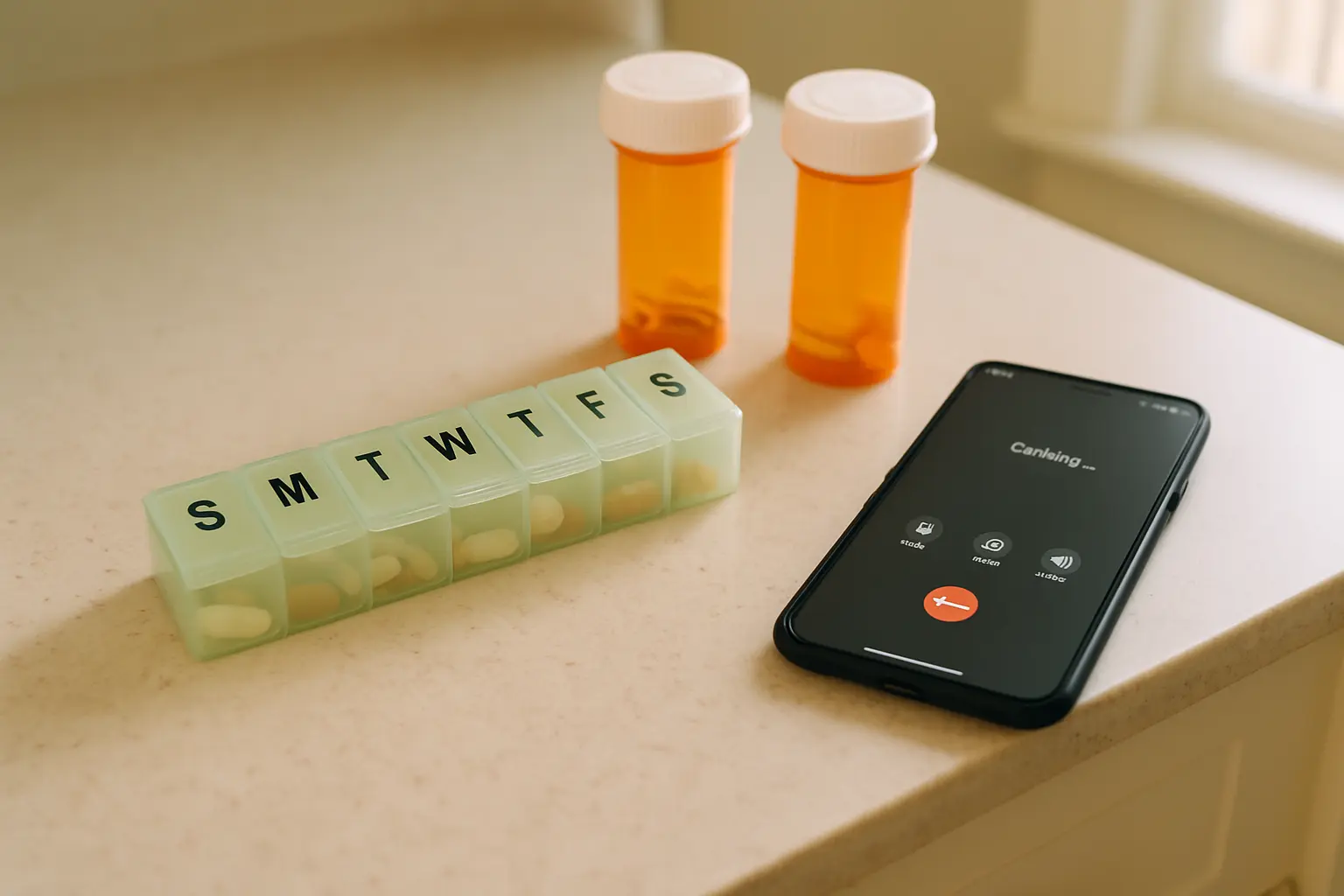
You should also compare Part D plans directly. Medicare’s plan comparison tool lets you see estimated total yearly costs, including premiums and drug spending. That is much more useful than comparing premium alone. A plan with a slightly higher premium may still come out cheaper overall if your medications sit on better tiers or if your preferred pharmacy is favored under that plan.
As you compare, focus on these factors:
- Total estimated yearly cost, not just premium
- Coverage of every current medication
- Preferred versus standard pharmacy pricing
- Utilization rules that could delay access
- Mail-order pricing for recurring prescriptions
- Star ratings and customer service considerations
If your doctor says a particular drug is medically necessary and the plan treats it unfavorably, ask about an exception request. If there is a covered therapeutic alternative, discuss that too. For some people, the least disruptive way to reduce costs is not changing plans at all but switching to a covered equivalent medication after talking with a clinician.
For many beneficiaries, the lowest-cost route is a mix of three moves: verify plan coverage, check if help is available, and rerun prices across preferred pharmacies or alternate plans.
One more resource that is often overlooked is your State Health Insurance Assistance Program, or SHIP. SHIP counselors can provide one-on-one Medicare guidance at no cost. They do not sell plans, which can make their help especially useful when you need an unbiased walkthrough of options listed on Medicare.gov.
The broad lesson is simple: rising Part D costs do not create one universal answer. Some people will save most by applying for Extra Help. Others may benefit from a plan switch during the proper window. Others may get relief by changing pharmacies or requesting an exception for a needed drug.
Next steps: Move early so you are not chasing a refill deadline
Timing matters because applications, plan enrollments, and drug-coverage decisions usually take longer than people expect.
After you identify the likely cause and compare your options, build a short action timeline. Start with the tasks that can take the longest or affect your next refill most directly.
First, make a written medication list. Include drug names, dosage, how often you take them, whether you use a retail or mail pharmacy, and your current out-of-pocket amount if you know it. Then log into Medicare.gov or call 1-800-MEDICARE to compare current and upcoming options using that exact list.
Second, if your income and assets may be within program limits, check potential eligibility for Extra Help and your state’s Medicare Savings Program right away. Applications can require documentation, and approval may not be immediate. Even if you are unsure, reviewing the official criteria can help you decide whether it is worth applying.
Third, call your current drug plan with targeted questions. Ask:
- Will this medication remain covered in 2027?
- What tier will it be on?
- Will prior authorization or step therapy apply?
- Which nearby pharmacies are preferred for this drug?
- What would a 90-day mail-order fill cost?
Fourth, if a needed drug is not covered or will become much more expensive, contact your prescriber before the refill runs low. Your doctor may need time to switch medications, send supporting records, or respond to plan paperwork for an exception or authorization request.
Fifth, watch your enrollment window. Many plan changes can only happen during certain periods unless you qualify for a special enrollment period. Missing that window can lock you into a costlier setup longer than expected. That is one reason to compare options before the pressure of an immediate pharmacy pickup.
People often lose the most money not because no help exists, but because they start too late to use the help before the next premium or refill bill arrives.
If this feels overwhelming, take the process in order: verify the change, compare official options, then act on the items with the longest lead time. Avoid assuming a TV ad, neighbor’s advice, or last year’s plan logic still fits your case. Medicare drug coverage is personal, and small differences in drugs, income, pharmacy choice, and timing can change the math.
For official details, start with Medicare.gov, the Extra Help overview, the Medicare Savings Programs page, and CMS information on the 2027 Part D bid amount and premium details. News reports can alert you to a change, but your personal next move should come from your plan documents and official Medicare or Social Security resources.
A few careful checks now could reveal a cheaper pharmacy, a better-fitting plan, or assistance you have not used before. If refill costs are a worry, it may be worth reviewing your options and current prices today.