
How Winter Weatherization Rebates Are Expanding—And What That Means for Your Utility Bills
As the first real cold front rolls in, you might catch yourself glancing at that drafty window or running your heat a little longer than planned. But this year, weatherization rebates are changing fast—state by state—giving both renters and homeowners more chances to lock in savings, stay warmer, and cut utility costs without big upfront expenses.
This Year’s Weatherization Rebates: Who Qualifies and What’s Different?
Recent expansions mean winter weatherization isn’t just for a select few anymore. Whether you rent, own your home, or live in an apartment, programs across the country are opening eligibility, increasing rebate amounts, and even offering full grants to qualified households.
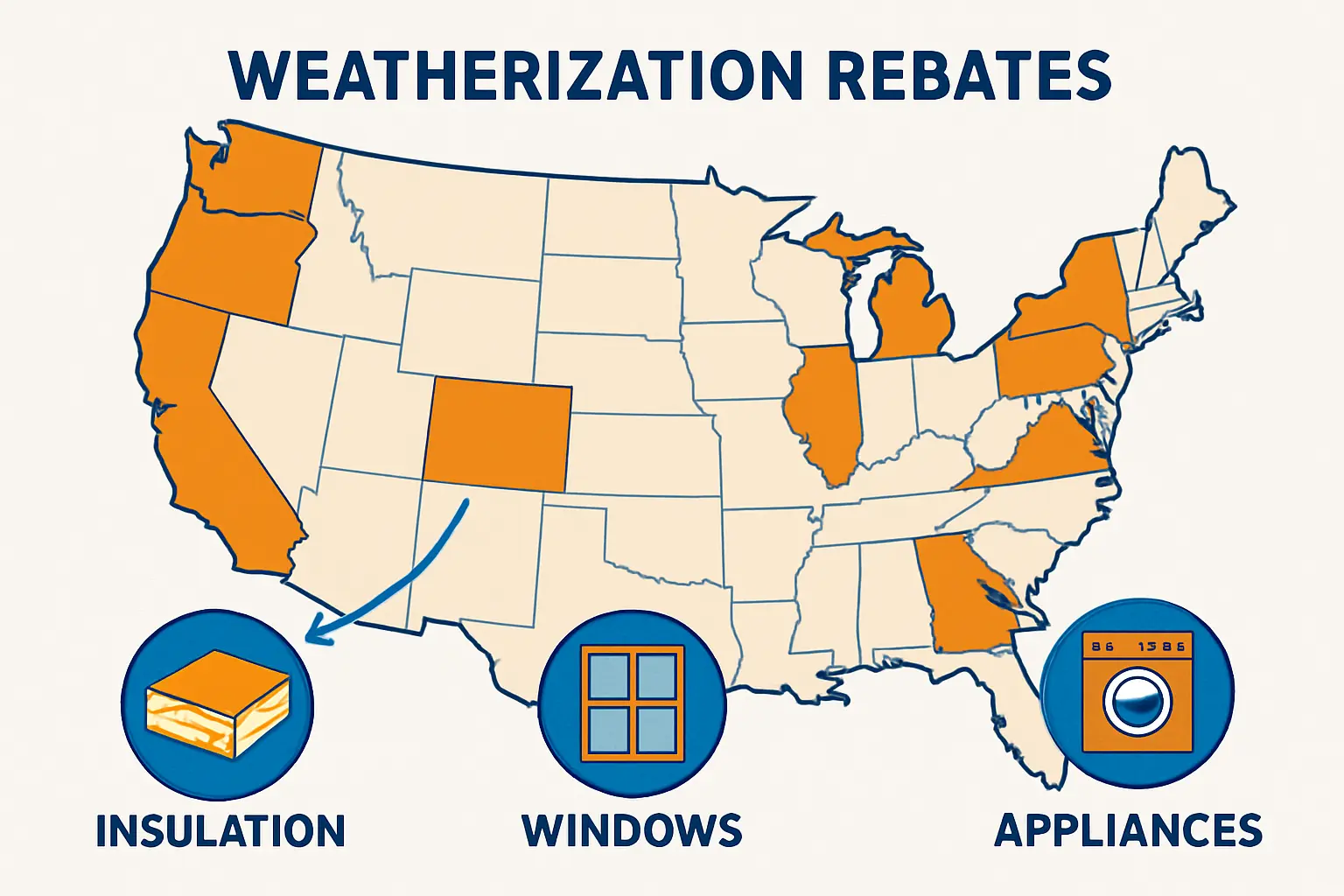
For example, programs like Michigan’s Home Energy Rebates (MiHER), New York State’s Weatherization Assistance Program, and Alaska’s weatherization grants show growing lists of covered improvements—from insulation upgrades to high-efficiency appliance rebates and help with draft fixes. In many states, both tenants and homeowners can now apply directly, with income guidelines that reach solidly into working and middle-class territory. Some programs, like Nebraska’s, cover households at or below 200% of the federal poverty level, while others, like New York’s HEAP, support even more families with heating and home efficiency upgrades.
- Both renters and owners are eligible in most states—sometimes with the landlord’s approval if major work is needed.
- Maximum rebate and grant amounts are rising, with up to $34,000 in Michigan for qualified applicants depending on the depth of improvements.
- States like Colorado, Maryland, and Minnesota now offer modular or multifamily upgrades—no need to own a single-family home to take part.
This year, federal Inflation Reduction Act funds and fresh state dollars are accelerating the process, meaning relief could arrive faster—and with less red tape—than in previous winters.
Which Weatherization Upgrades Really Pay Off, and How Do You Start?
Common qualifying improvements include insulation, air sealing, ENERGY STAR appliance rebates, weather-stripping, efficient furnace/boiler upgrades, and sometimes new windows or ventilation fixes. Most states begin with a home energy audit—a free or discounted assessment that targets which upgrades can deliver the highest savings for your property or unit.
Applicants in Vermont, Michigan, and Maryland often see initial utility bill reductions of 20–30% after weatherization work is complete—a real month-to-month difference in tight times.
- New York: Largest residential weatherization initiative in the country, supporting a range of improvements for both renters and owners.
- Colorado’s Home Electrification and Appliance Rebate (HEAR): Focused on appliance upgrades and whole-home energy efficiency, open for Spring 2025 rollout.
- DOE’s Weatherization Assistance Program: Directory by state for application and eligibility checkers.
- Look for your local “community action agency” or city energy office—they often help coordinate applications and explain which paperwork to gather (such as proof of income, lease or deed, and utility bills).
Pilots like Vermont’s “Button Up” and D.C.’s residential green incentives show how renters in every kind of housing—apartments, condos, and homes—stand to benefit this winter if they move early before grant deadlines and funds run out.
Getting the Most from Weatherization Rebates: Tips for Fast Approval & Maximum Savings
Each program has its own timeline and documentation needs, but a few prep moves boost your chances:
- Contact your state’s weatherization administrator immediately—many review applications on a rolling basis or until grant money is gone.
- Ask if virtual or remote energy assessments are available for speedier approval (some states adopted these during recent years and have kept them).
- Prepare pay stubs, your lease or mortgage, and proof of recent utility costs in advance to shorten processing waits.
- If you’re a renter, talk with your landlord soon—some programs require their signoff (especially for major insulation or heating work), while others help coordinate with property owners on your behalf.
- Stack programs where possible: In some cases, federal tax credits and local rebates can be combined for even lower project costs.
Tip: Track your utility bills and savings after upgrades—many providers and cities request follow-up documentation, which can qualify you for future add-on rebates or ongoing adjustment credits.
This season could bring the greatest mix of weatherization programs and direct savings many households have seen in years—if you start your application early, you raise your chances for full coverage and lower bills well before winter’s worst arrives.
Your comfort and peace of mind matter most. Take a few minutes today to check your area’s main weatherization and rebate programs—there’s never been a better time for homeowners and renters both to claim practical winter savings before subsidies run out.