

How to Check for Winter Food Replacement Aid When Extreme Weather Hits
One icy morning, a sudden power outage wipes out a fridge and weeks of groceries. If you’ve ever faced this heart-sinking moment, you might not realize help could be close at hand: several states are quietly rolling out winter food replacement assistance to support households that lose food during severe weather events.
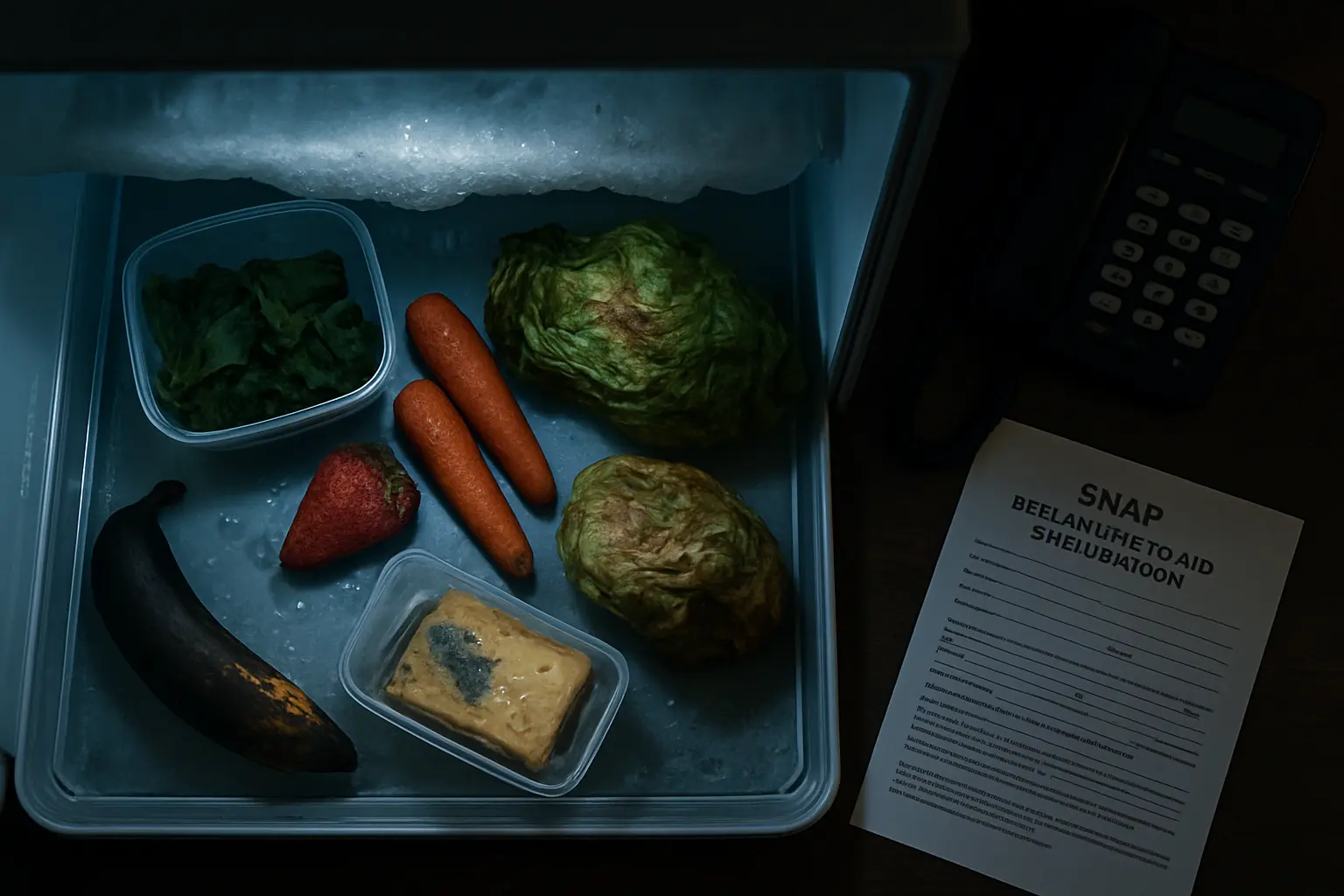
What Is Weather Emergency Food Replacement—and Who Is Eligible?
Weather emergencies can mean more than lost comfort—they can leave families with empty cupboards and no funds to restock. That’s where winter food replacement aid through the Supplemental Nutrition Assistance Program (SNAP) steps in. After a major weather incident—think blizzards, ice storms, or multi-day blackouts—many states launch temporary programs aimed at replacing lost SNAP food benefits for applicants who qualify.
Each state sets its own timelines and eligibility checkpoints, with most requiring proof of food loss tied directly to an official weather event (often via photos, receipts, or a documented power outage notice).
- Find eligibility rules and replacement request forms on your state SNAP office site as soon as an official disaster or outage is declared.
- FEMA also coordinates with local agencies during federally declared disasters to boost food aid for affected households—a valuable second avenue if regular SNAP is not enough.
How to Apply for Help—Timing and Documents You’ll Need
Acting quickly is crucial: states typically give a short window (usually between 7 and 30 days after the emergency) to request replacement SNAP benefits for lost food. Missing that deadline can mean missing out on help altogether.
Bringing together simple documentation—like receipts for perishable foods, notices of a power outage from your local utility, and clear photos of spoiled food or spoiled medication—can make the difference in a successful claim.
- Apply online at your state SNAP portal, by mail, or in person at a local benefits office, depending on program instructions for your region.
- Make sure your details (current address, household members, Social Security numbers) match your last approved SNAP application—the process is much smoother when records line up.
- Not a current SNAP recipient but faced major food loss? Some states may direct you to emergency food pantries, local disaster aid offices, or FEMA disaster programs—even if you’re not eligible for standard SNAP food replacement.
Beyond Benefit Replacement: Other Relief Paths to Explore This Winter
While SNAP food replacement is the main route for replacing groceries lost to weather, other temporary relief tools may open up in regions experiencing repeated or widespread power outages this winter. These might include:
Local food banks, faith-based disaster relief agencies, and community centers are often first to deploy expanded hot meal or grocery box programs in hard-hit neighborhoods—especially if outages drag on or schools and stores remain shut.
- Check city disaster response sites and local nonprofits for pop-up food distribution days announced during or after storms.
- In some declared disaster zones, the Disaster SNAP (D-SNAP) program may activate, offering one-time benefits for affected families—including those usually over the normal income limits. D-SNAP is a separate application, so look for dedicated local announcements.
- If special aid opens, most programs update requirements rapidly; review instructions each week and keep basic documentation handy to avoid missing out.
You can’t control winter weather, but staying alert brings practical hope for keeping food on the table if disaster strikes. Want instant updates and local deadlines for replacement SNAP and emergency relief? Bookmark your state’s SNAP office website today, check the USDA disaster aid page after each storm, and reach out to community food partners now to find new resources before the next outage hits.