Which Nonprofit Credit Builders Are Ramping Up Debt Relief for 2025?
Imagine starting 2025 determined to shed debt and rebuild your credit score—only to discover new, nonprofit-led solutions finally surfacing just when relief feels furthest out of reach. Across the country, a wave of nonprofit credit builders is rolling out expanded debt relief programs, offering fresh options that could bring real savings and a springboard to financial peace of mind.

Spotting Major Nonprofit Expansions—From Credit Calendars to Customized Savings
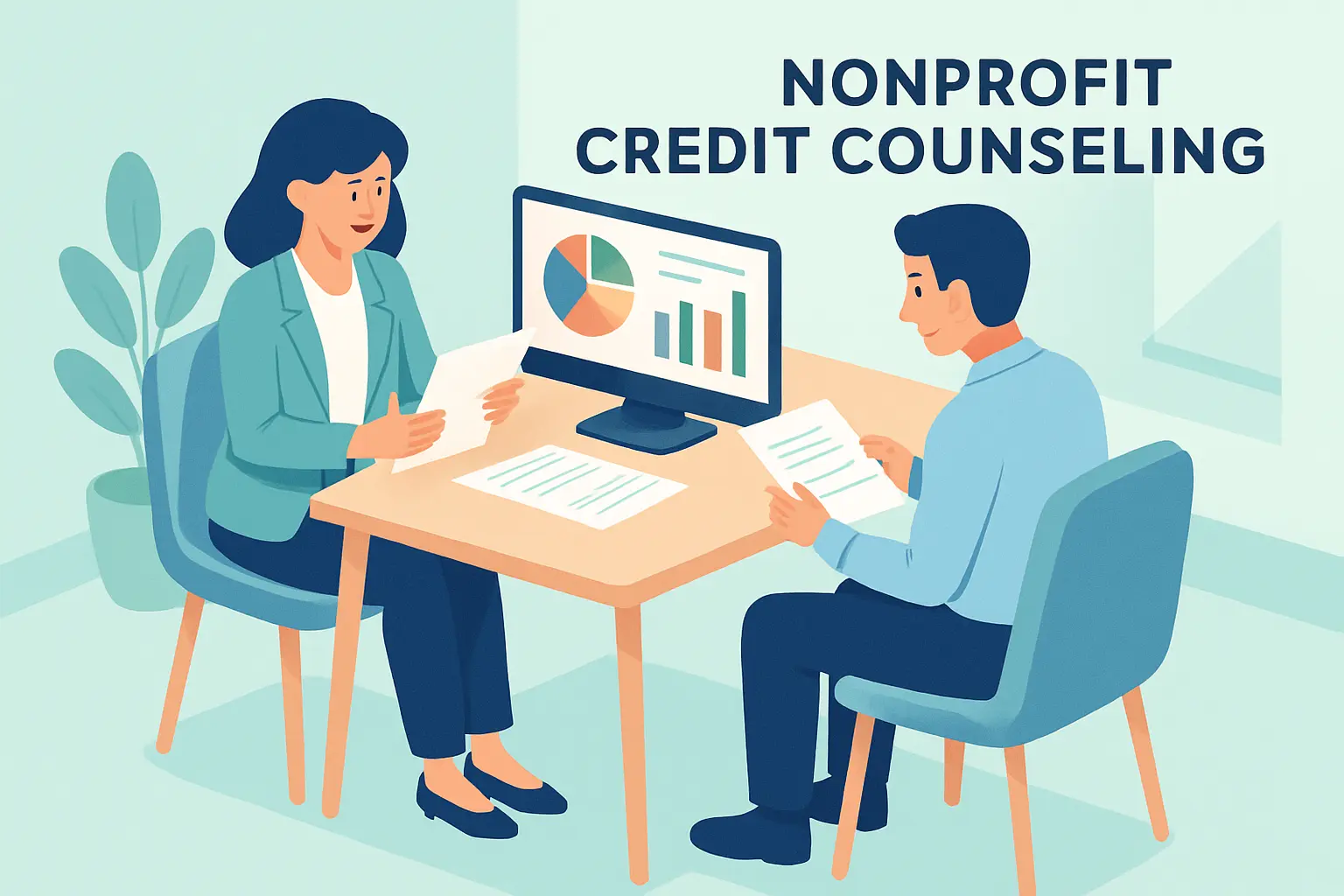
This year, organizations like the National Foundation for Credit Counseling (NFCC) and Money Fit are rewriting how Americans approach debt and credit recovery. NFCC’s new “Life Beyond Debt” initiative lets you shrink debt while building safety-net savings—the first time many clients can work on both goals at once, not one after the other. Meanwhile, Money Fit’s updated Debt Management Plan offers non-judgmental, online enrollment, consolidating your bills into one payment (often at lower rates) without extra borrowing or hard credit checks.
According to NFCC officials, their new program is designed to help more households exit revolving debt while building a true emergency fund—a pathway out of crisis, not just a patch for monthly strain.
- NFCC’s Life Beyond Debt: debt payoff + emergency savings matched automatically
- Money Fit: bundled payment plans, real human guidance, and quick interest rate reductions for qualified clients
- MMI (Money Management International): growing access to Debt Resolution Plan (DRP), including support for collection-stage debt and education on consumer rights
The trend for 2025: non-profit debt relief now addresses both credit scores and emergency savings, with freshly integrated programs targeting pandemic-era hardship, rising living costs, and the needs of gig workers, retirees, and families alike.
Behind the Numbers: Who Qualifies, What’s New, and Application Tips
Not every debt relief solution works for every budget or life situation—but these new nonprofit models make the process simpler and more inclusive than in years past. Most plans are open to adults with unsecured debts such as credit cards or medical bills; you don’t always need a great credit score, but documentation (such as income and creditor statements) is required. Many programs — especially those rolling out in 2025 — provide remote consultations, meaning help can reach rural areas, city neighborhoods, and seniors who hesitate with in-person appointments.
“Households who struggled with pandemic job loss or rising costs can see substantial payments drop, often bundled with coaching and practical budgeting skills,” one counselor notes. “It’s no longer about a quick fix, but building habits that support strong credit for life.”
- Compare quick-relief vs. education-based models. Some nonprofits offer lump-sum debt resolution (best for those deep in collections), while others target ongoing money habits.
- Check for new eligibility. Money Fit and NFCC both relaxed some enrollment criteria this year, and are onboarding broader applicant groups—ask if your circumstances fit expanded rules.
- Bring current bill totals, list of creditors, and monthly budget info to introductory sessions. Early prep means you can access support (or be referred to alternative grants/lenders) quicker.
Be aware: Enrollment does not erase all debt or guarantee credit success—these are step-by-step supports, best combined with persistent effort and forward planning.
Expanding Beyond Counseling—Innovations, Bundles, and Broader Impact
2025 is also a turning point for how nonprofit debt relief programs work with banks, employers, and federal credit initiatives. Capital One’s expanded “secured card unsecuring” initiative builds on your progress: if you’ve completed two years of steady payments (including through a nonprofit’s help), you could see upgrade or auto-review for lower card requirements and new lines. NFCC’s pilot “WealthBuilder” encourages clients to set savings goals alongside payment plans, layering practical supports for lasting change.
One practical note: if you’re combining nonprofit support with employer assistance or benefit programs, let your advisor know up front—some new pilots allow you to stack matching funds or enhanced budget tools for extra progress in 2025.
- Look for programs offering auto-upgrade credit plans (no extra hard check after positive payment streaks)
- Keep an eye out for new state-level hardship funds and local credit builder efforts layered atop nonprofit debt counseling—relief is more “bundled” for 2025 than ever before
Progress is rarely instant—but these nonprofit debt relief innovations stack in your favor if you apply early, keep documents organized, and adjust course if one program isn’t the right fit. Real stories show these expanded nonprofit networks work best for everyday Americans willing to stay engaged—especially if they pair debt help with savings building or local benefit programs.
No matter your starting point, relief may be closer than expected. Take just a few minutes today to check which fresh debt relief or credit rebuilding programs are newly available in your community—your 2025 savings journey could start right now, one step at a time.