How to Weigh Debt Consolidation Loans Against Debt Settlement for Your Winter 2025 Budget
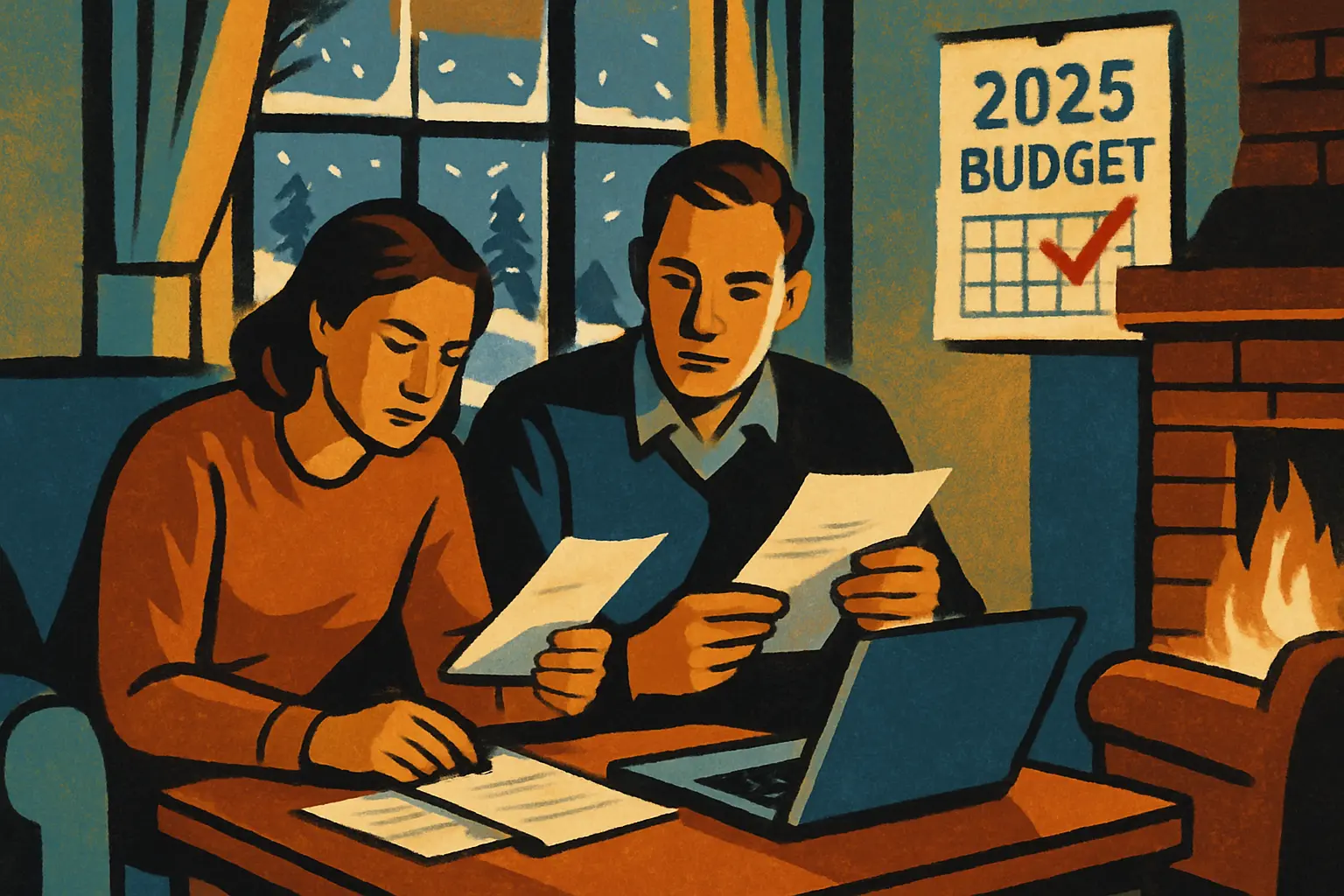
This winter, as holiday bills surface and interest rates remain unpredictable, deciding how to manage your debt can feel like a balancing act. Should you streamline everything into one payment with a consolidation loan, or take a shot at negotiating a lump-sum reduction with debt settlement? Understanding the trade-offs—and what best suits your late-2025 budget—could make all the difference for a less stressful winter.
Debt Consolidation Loans: Smoother Payments but Longer Road?
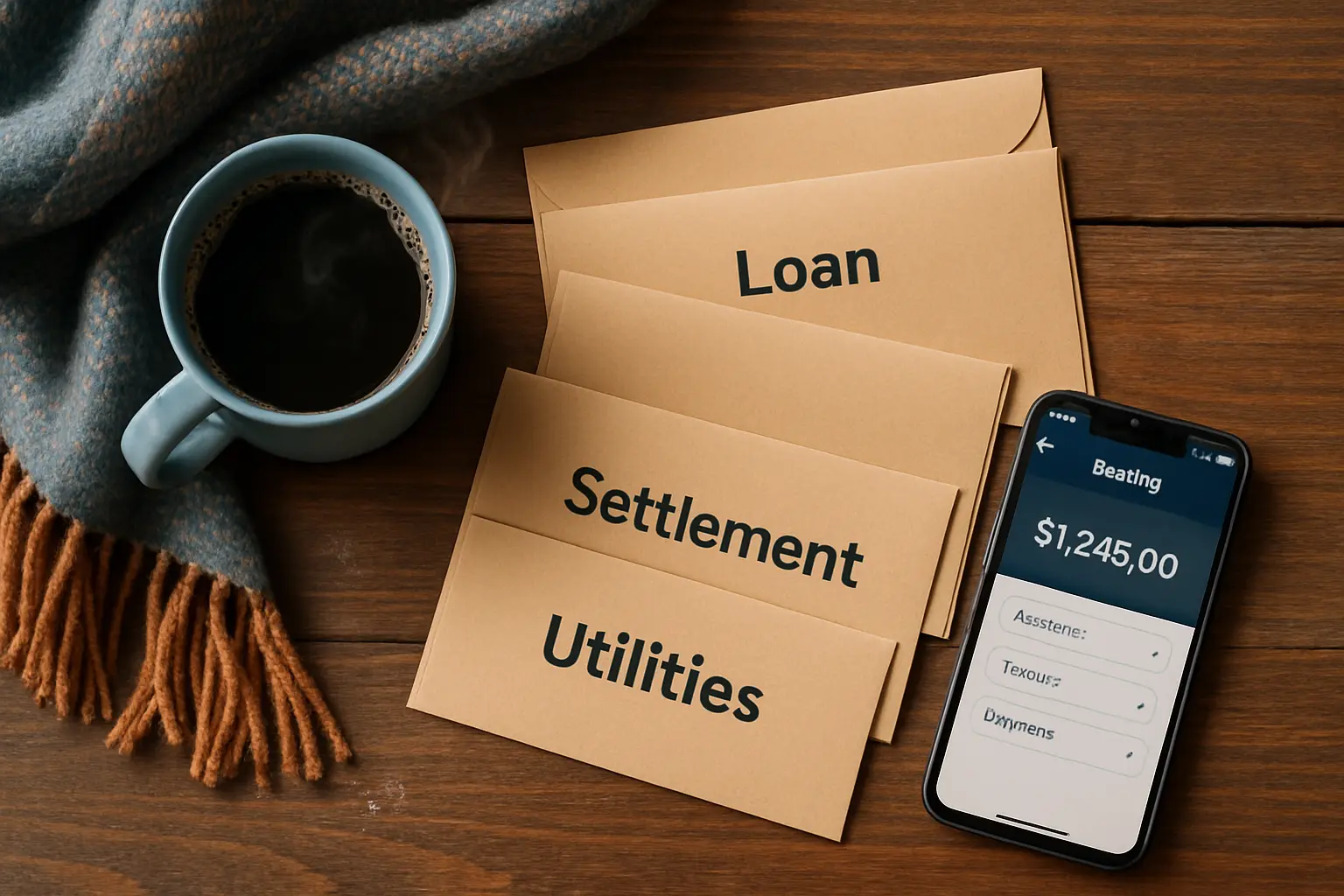
With a consolidation loan, you roll multiple high-interest debts—often credit cards or medical bills—into a single, fixed-rate loan. The clearest perk is simplicity: one monthly payment, likely at a lower interest rate than you’re paying now. Most consolidation loans come from banks, credit unions, or online providers, and approval relies on your credit score, income, and the overall amount owed. Repayment timelines typically stretch over 2–7 years, which may mean lower monthly outflow, especially during chilly months when budgets are tight.
According to Consumer Financial Protection Bureau guidance, consolidation loans are best for those who want steady payments over time and are able to qualify based on credit standing.
Still, keep in mind: You’re not reducing the total you owe—just spreading it out differently. Interest will still rack up across the life of the loan, unless you increase payments or snag a rock-bottom rate. And if you’re dealing with collection accounts or have a lower score, getting approved, or getting a good rate, can be challenging. It’s wise to check your eligibility with several lenders or use online prequalification tools—with no impact to your credit—before leaping in.
Debt Settlement: Faster Relief or Riskier Move?
Debt settlement takes a very different tack: you (or a professional negotiator on your behalf) push for creditors to forgive a chunk of what you owe, usually in exchange for a significant one-time payment. The appeal? Potentially slashing debt amounts and clearing balances more quickly—sometimes in 24–48 months, compared to longer loan terms. But these programs are risky territory: settling could lower your credit score, trigger tax liabilities on forgiven debts, and rack up fees from settlement companies. And, settlement isn’t a fit for all debts; most federal student loans, car loans, or secured debts aren’t included.
The CFPB points out that while debt settlement can bring real relief for some families facing major hardship, missing payments (a usual step in the process) can mean penalty fees, collections, or even lawsuits from creditors who don’t agree to settle.
If debt settlement is on your radar, be selective. Seek out firms that are accredited, transparent about their fees, and up-front about federal and state laws. Always check with a nonprofit credit counselor first—they’re required to review all your options, not just one fix, and can help map what settlement could mean for your budget and credit future.
Making the Fit: Which Option Suits Your Winter Goals and Finances?
Your best plan depends on your unique numbers and priorities. If you have good credit, stable income, and want predictability, a consolidation loan can keep your monthly costs steady, letting your winter budget breathe. If your debt load is too heavy to ever repay in full, especially after a job loss or health emergency, speaking with a nonprofit counselor or seeking settlement may be a realistic—if credit-impacting—way to get relief.
Gather your account statements, tally all your interest rates, and run a few payoff scenarios using CFPB budgeting tools or a trusted counselor’s worksheet before jumping on an offer.
Debt consolidation and settlement companies may share helpful calculators or even pre-check offers, but always compare with official nonprofit channels if possible. Remember, no matter your choice, acting early (before collection calls pick up or late fees spiral) means more options and less wallet pain through winter.
The first snow might already be here, but useful debt relief could arrive sooner than you expect. Explore your choices, avoid high-pressure sales, and check which programs fit your financial goals before the year winds down.