
What IRS EITC Audits Really Mean—And Action Steps to Protect Your Tax Credit in 2026
If you count on the Earned Income Tax Credit (EITC) at tax time, you may notice something new this year: tighter review by the IRS and more frequent audits for EITC filers. While more audits can sound intimidating, being prepared with the right steps and documentation helps ensure you keep every dollar you’ve earned—without unexpected delays.
The New IRS EITC Audit Push: Why It’s Happening and Who’s Most Affected
The National Taxpayer Advocate warns that audit rates for EITC returns are climbing in 2026, especially in response to previous years’ improper payments (find details here).
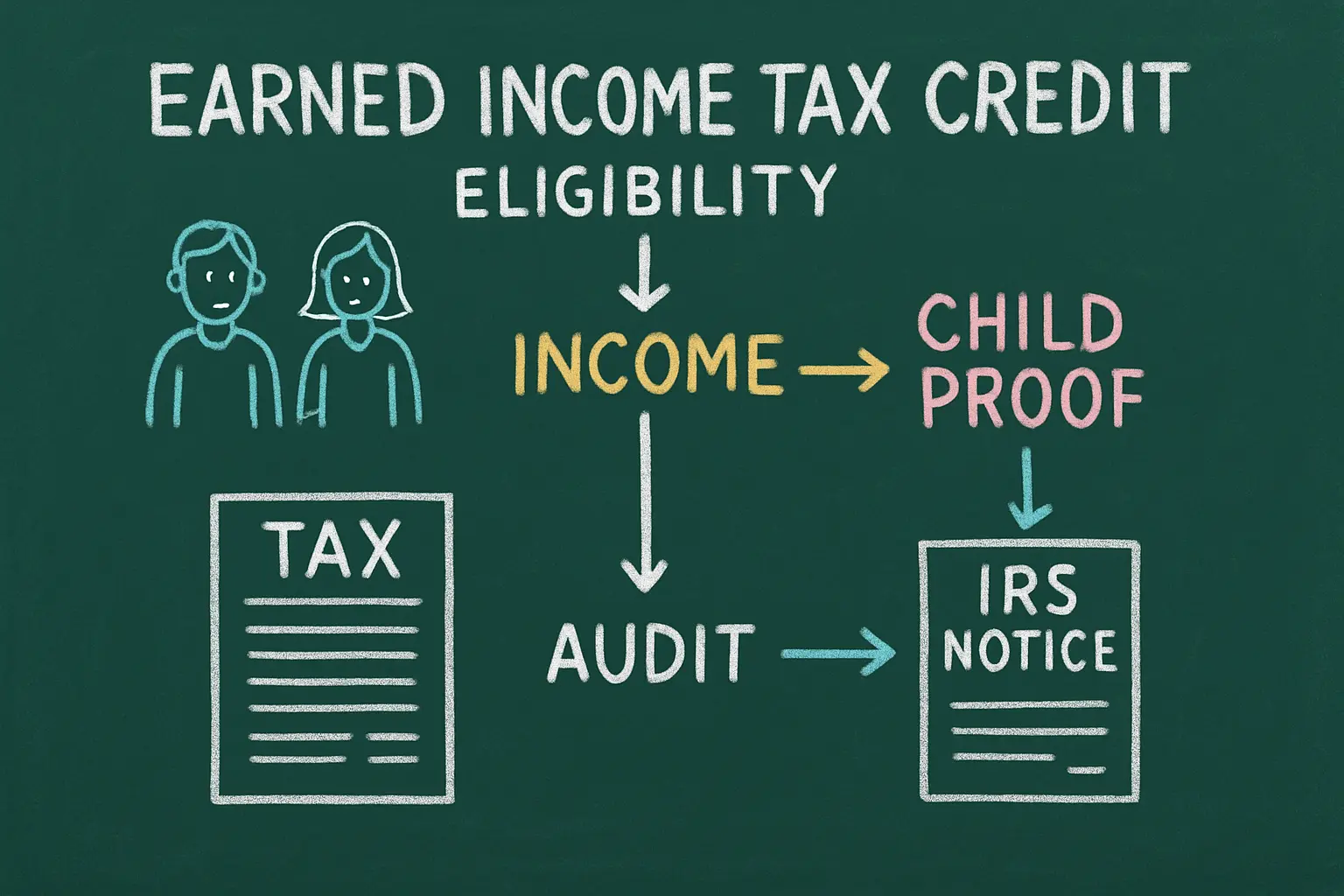
Here’s why it matters for everyday filers: The EITC remains one of America’s most valuable tax credits, providing major cash flow for millions of lower- and moderate-income families. With the IRS stepping up verification efforts for 2026, more returns claiming the EITC could be selected for audit. The focus is on verifying household size, income, and filing status. Single parents, families with a recent address or job change, and those using non-credentialed tax preparers stand out for the highest audit likelihood (check official EITC info).
Catching improper payments and making sure only eligible households claim the credit is the official goal—but that means small mistakes or incomplete documentation create a real risk of refund delay or loss.
“Accurate records and up-to-date eligibility checks are the best shields against EITC audit headaches.”
Staying Audit-Ready: Critical Records and Eligibility Moves to Make Before You File
Navigating an EITC audit is far smoother for people who can submit clear proof quickly. The time to organize is now—not after IRS letters arrive.
Gather this proof now to avoid stress later:
- Income records: W-2s, 1099s, pay stubs, or any employment/self-employment proof for you and your spouse (if filing jointly).
- Documentation for each child listed: Unexpired school/care records, medical records, lease/mortgage statements, or state benefit letters with matching current address. The goal: Demonstrate where the child lived and with whom for more than half the year.
- Filing status evidence: Divorce decrees, separation agreements, or recent marriage certificates if your household changed, as the IRS checks for duplicate claims.
- Residency and support: Lease copies, landlord letters, or official bills showing your household; benefit eligibility notices (SNAP, Medicaid, etc.) can also help.
Double-check all data before e-filing. Incomplete applications or mismatched addresses cause most delays. If using a paid preparer, make sure they’re credentialed or linked to a major brand—non-professionals see far higher audit rates.
Quote: “Careful filing and the right paperwork up-front are still your best defense—even as audit numbers grow for EITC families.”
If Audited, What Happens Next? How to Respond, Get Help, and Protect Your Credit
Timely action is crucial if you get an IRS audit notice: rapid response and the right documentation protect both your refund and your eligibility for future years.
Here’s what to expect and do:
- Watch for IRS correspondence: You’ll receive a mailed audit notice if selected. Never ignore these—delaying reply risks losing your EITC or whole refund.
- Respond fast, send complete documentation: Avoid sending originals; use clear copies or digital scans where allowed. Include all household, income, and residency proofs listed above.
- Request help if needed: IRS has specialist phone lines and you can find free Taxpayer Advocate support or certified community tax programs (check eligibility).
- Monitor refund status: Full EITC payments pause during audit review. Responding quickly gives you the best shot for a timely release once eligibility is confirmed.
Don’t panic if you’re audited—most cases resolve with thorough paperwork. And remember: an audit doesn’t guarantee you owe more, but it does mean you need to answer carefully and keep everything organized.
Filing an EITC claim in 2026 just means a little more preparation can make a big money difference. Check your documents, use official EITC checklists, and stay a step ahead if the IRS requests extra proof. Still unsure which tax credits apply or how to reduce stress? Use the IRS EITC Assistant or contact a vetted local navigator—getting organized today maximizes your refund and shields your budget from delay or denial.