

What Summer 2026 SNAP Recertification Changes Could Mean for Families—and How to Prepare
This summer, families from Philadelphia rowhouses to rural Texas kitchens are getting new renewal forms or phone calls about their food benefits—and realizing the usual SNAP process looks different in 2026. Why so many rule tweaks this year, and what steps should you take to make sure your food help continues uninterrupted?
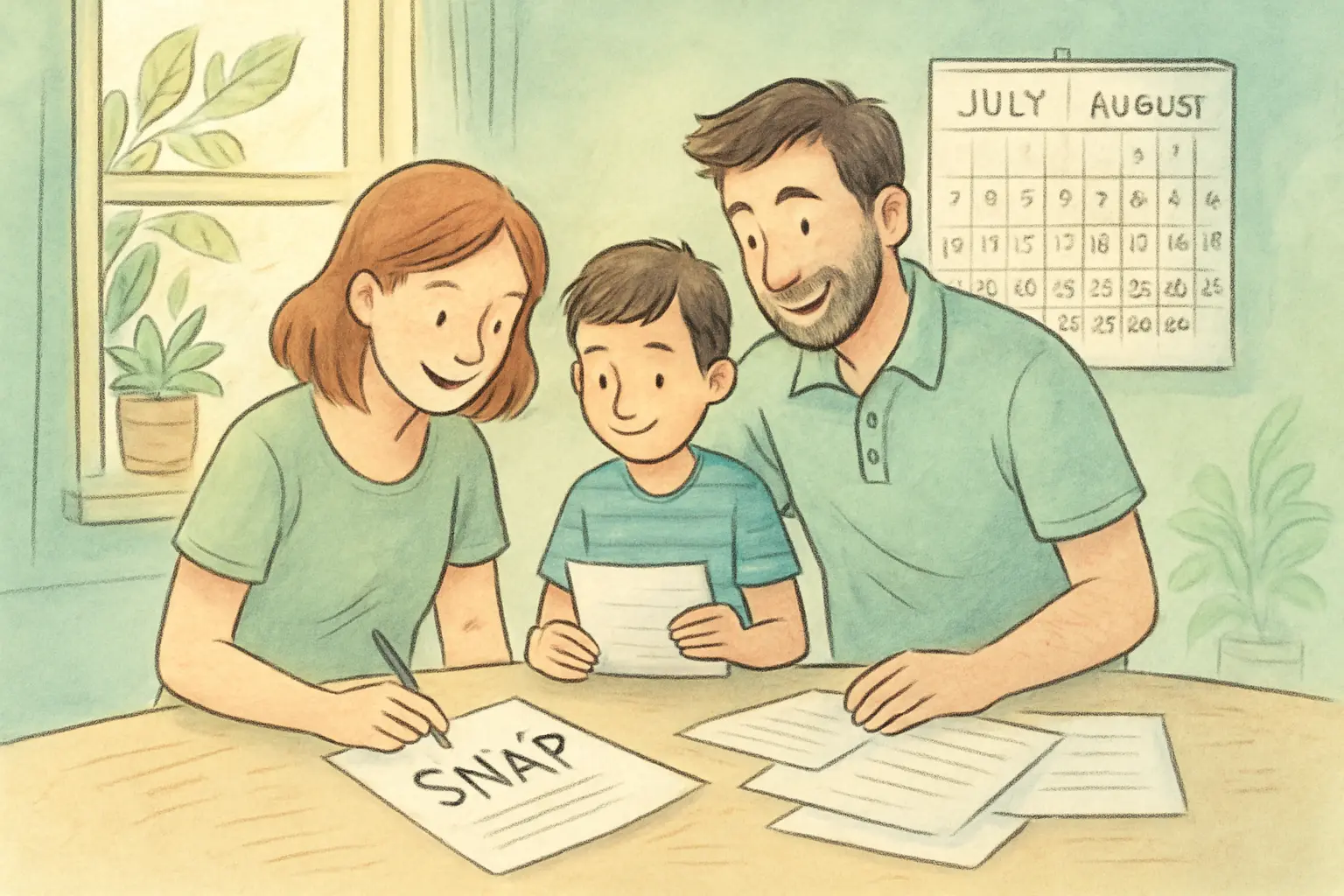
What’s New in SNAP and State Food Recertification—And Why Are Rules Changing Now?
The introduction of new SNAP recertification rules means more paperwork and expanded work requirements across most states—catching even longtime participants off guard.
Several major changes are hitting at once. Starting July and August 2026, many states have tightened their food benefit renewal process in line with new federal and state laws. Able-bodied adults up to age 64, including some parents of older teens, now face expanded work/volunteering requirements. Individuals must document at least 80 hours a month of work, job training, or community service to keep their benefits for more than three out of each three-year cycle. (See new requirements)
Recertification—in practical terms—also now means bringing more to the table: states like Pennsylvania mandate up-to-date proof of utility or shelter expenses each cycle, not just income, and any missing documentation can delay or disrupt approval. This deeper verification aims to sync renewals for SNAP, Summer EBT, and emergency food programs alike (details here).
If you haven’t seen a renewal notice, login request, or request for documents, check your state SNAP portal or call the helpline—not responding in time is one of the most common causes of benefit loss in summer recertifications.
What Documents and Proofs Are Needed—The 2026 Recertification Checklist
For the first time in years, failing to submit updated expense and work verification can block SNAP—or force families into appeal mode.
This summer’s changes mean you might need to supply more—and different—proof than last year’s simple income or ID scans. Key items to gather before your renewal or phone interview:
- Current lease/mortgage statement or signed rental receipt (showing what you pay monthly and who pays others).
- All utility bills in your name (gas, electric, water—even if included with rent in some states; rules vary).
- Pay stubs, self-employment records, Social Security/child support letters (or other proof for any money your household received).
- For able-bodied adults aged 18–64: Evidence of work, community service, job search logs, or an exemption (such as disability or being the main caretaker of a child under 18).
- Proof of child care or medical expenses if you’re deducting those for larger monthly benefits.
Tip: If in doubt, upload more rather than less—many agencies now allow you to send photos/scan docs digitally. Households skipping one bill or failing to verify utility responsibility may see their SNAP cut or paused pending review.
The biggest delays or denials this year have come from missing or mismatched paperwork, so don’t put renewal off until the last minute. Ask your local food bank or advocacy group for help with scanning or uploading if you’re stuck.
Navigating Recertification Hurdles—What if You’re Denied or Lose Benefits?
“Lost” benefits and appeal headaches are likely to spike, as not everyone receives or understands each step of the recertification process without support.
If your recertification is denied or your benefits pause, don’t assume this is the end of your food help. Common next actions include:
- Appeal quickly: Request a fair hearing with your local SNAP office. You have a limited window—usually 10-90 days, depending on your state.
- Fix documentation gaps: Many cases are resolved by supplying a late utility bill, work verification, or corrected lease information. These fixes can be processed even after a denial letter goes out.
- Ask about alternatives: Some states and counties offer separate summer EBT programs, food pantries, emergency cash, or disaster SNAP cycles if your renewal hits a wall. Check county and school resources, especially for families with children.
- Get navigator assistance: Community food programs, state ombudsman hotlines, and advocacy nonprofits help fill out renewal paperwork and provide direct support if appeals get technical.
Your first program call—and providing any missing document quickly—can mean the difference between a month’s lost benefits and smooth restart. Don’t delay if you spot an error or if instructions don’t make sense—asking for help is a strength, not a setback.
Usually, there’s a fix or alternate route—even after a denial—so long as you’re proactive and know your state’s rules. Make sure to ask about seasonal food and kid-focused credits while resolving your main renewal.
The rules may be stricter, but so are support routes for getting families across the recertification finish line. Curious what you might qualify for under the 2026 updates, or still have questions? Take just five minutes today to check what documentation your state requires, run an eligibility check using your digital SNAP portal, or call a local navigator to avoid benefit gaps in the months ahead—opportunities for support are opening even as the process gets tougher for many.