
How to Shield Your Tax Refund from Identity Thieves This Season—And Tap Free Protection Tools
Stepping into tax season, you might notice more questions about your identity and income than ever before. There’s a reason for that: refund fraud from stolen Social Security numbers is on the rise, and both the IRS and states are now expanding no-cost services to help filers lock down their accounts—often before fraud can even start.

Why Tax Season Is Prime Time for Identity Thieves—and How the IRS Is Responding
Tax-related identity theft is when someone uses your info—like a Social Security number—to file a fake return and claim your refund money before you even get the chance. In response, the IRS runs the Taxpayer Protection Program, which now detects suspicious returns and, if necessary, blocks refunds until your identity is confirmed.
If unusual activity shows up, the IRS might mail a letter prompting you to verify your identity—this extra security check can be the barrier between you and a would-be scammer getting your refund. For a worst-case scenario—someone already filed in your name—the IRS has stepped up with immediate assistance to resolve the issue, clear fraudulent claims, and tag your account with an extra protection alert.
- Modern IRS systems screen for duplicate filings with your SSN and flag possible issues before funds are released.
- Dedicated ID theft help lines are active for taxpayers with concerns or flagged accounts.
- Verified victims get stronger protections to stop repeat fraud on future returns—so reporting any suspicious activity pays off quickly.
Many states have joined in: North Carolina, for instance, now partners with the IRS’s Security Summit, sharing and acting on real-time fraud alerts. Pennsylvania and others have their own identity theft helplines and tailored resources to help anyone hit by tax refund scams.
Simple Moves to Claim Free Identity Protection Before Filing
The easiest free way to get extra protection is to lock in an IRS Identity Protection PIN (IP PIN)—a 6-digit code that’s now available to all filers each January. With this code, even if a thief knows your Social Security number, they can’t file a return in your name or get your tax refund deposited elsewhere.
It only takes a few minutes to apply for an IP PIN online, and it must be renewed every year—it’s a no-brainer way to add a digital deadbolt to your IRS account.
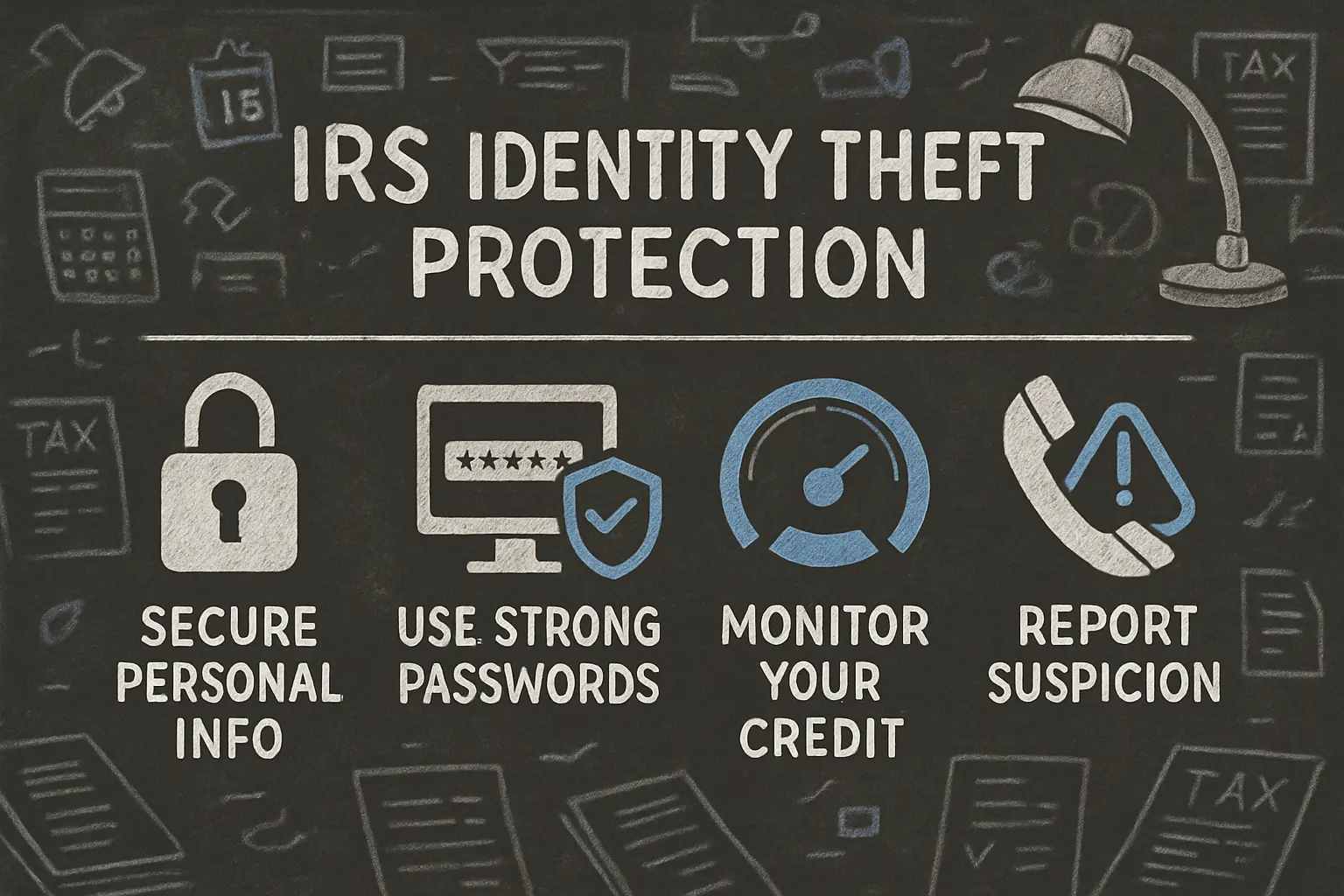
- Set up a secure IRS.gov account and request your IP PIN before you prepare your return.
- Use strong, unique passwords for your state and federal tax filings or direct-file platforms.
- Monitor your credit with free annual reports, and consider security freezes with the major bureaus after any ID theft scare.
- Never share sensitive financial details by phone or email with anyone claiming to be from the IRS—real notices always come in writing first.
At the state level, agencies often run hotlines for reporting suspicious tax letters or refund activity. Some have layered support—like real-time PINs, fast fraud alerts, or direct coordination with credit bureaus if your refund has already been targeted.
Recovering Quickly—What If You’re a Victim of Tax Refund Fraud?
Even if your information has been grabbed, relief is still within reach. The IRS’s Victim Assistance Program is focused on clearing fraudulent returns, righting accounts, and getting delayed refunds into rightful hands, plus marking accounts to block future scam attempts.
States such as Pennsylvania outline a fast response, including contacting credit bureaus, filing FTC complaints, and using targeted forms to reclaim refund funds and restore your profile (get details here).
- Respond to all IRS or state tax letters immediately, even if you’re unsure about their legitimacy. If in doubt, call the agency using official phone numbers—never any provided in an unsolicited message.
- Gather any proof of your identity and past year’s filings before meeting with an IRS or state advisor—being prepared speeds things up.
- Start a complaint with the FTC’s IdentityTheft.gov if your case is serious or tied to ongoing credit fraud.
The faster you act, the more options you’ll have—some states also help restore your driving or business licenses if tax ID theft triggers renewal blocks.
Quick, proactive steps add up: applying for a PIN and reporting anything off prevents years of hassle, and re-opens the door to honest refunds each spring.
Tax identity theft isn’t just a buzzword—it’s an evolving risk, but one that can be stopped with the right tools and hustle. Don’t leave your refund up for grabs: claim your free IRS and state-level ID protection this week, scan your accounts for suspicious signs, and see which tax season security upgrades are available in your zip code before filing day hits.