
How to Lock in Emergency Rental Assistance Before Fall Deadlines Close
The clock is ticking for renters seeking help—this fall, several Emergency Rental Assistance Programs (ERAP) are winding down or changing the way they work. If making rent has become a challenge, knowing which programs are still accepting applications could make all the difference.
Where Rental Assistance Stands: State-by-State Deadlines and Open Programs
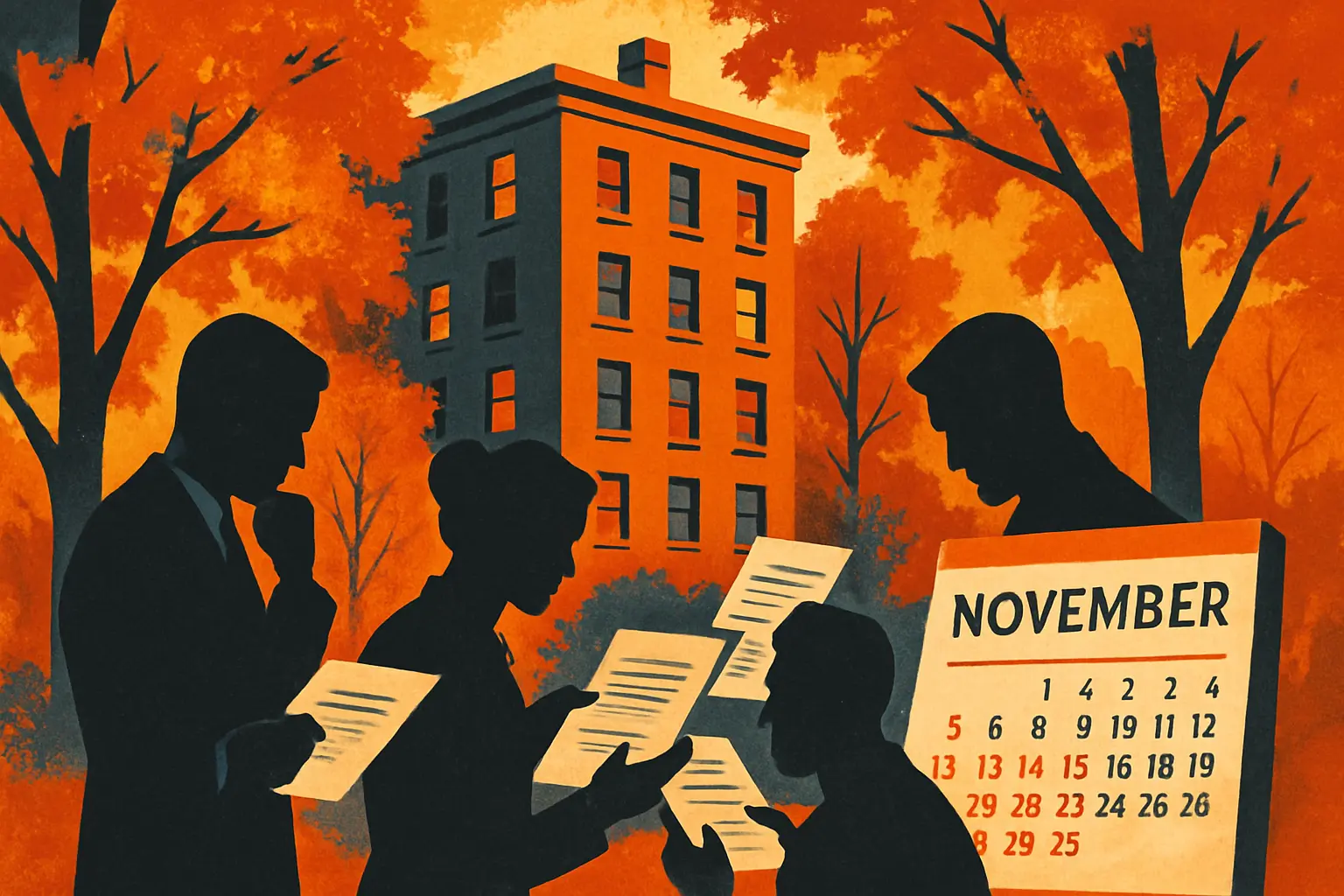
As of late October 2025, some of the largest rental assistance programs have already wrapped up due to limited funds, but others remain open or are still processing new applications for a little longer. The most urgent action is to check the current deadline and scope of programs right where you live. For example, the New York State ERAP Portal lets residents upload documents and monitor their status until November 17, 2025, so there’s still a window for many New Yorkers to receive aid. Meanwhile, applicants in Pennsylvania found programs permanently closed by October 1, and Colorado’s rental aid program has two different selection methods—each with its own availability.
Some states and cities run programs separately—always check both your state and local community resources for openings or deadlines specific to your area.
Applying in Time: What to Gather Now for a Smoother Process
Securing rental assistance often means acting quickly and preparing the right documents ahead of time. You’ll typically need proof of income, your current lease or rental agreement, identification, and documents showing rent or utility hardship. Missing paperwork could slow the process, especially as programs face funding deadlines.
Organization pays off—having everything on hand may help you submit a stronger application right before a cut-off date.
Useful Resources and Next Steps If Your Area Has Closed ERAP Applications
If you discover programs in your city or state have stopped accepting applications, other relief opportunities may be at hand. Community-based organizations, local legal information centers, or local government disaster portals (such as the Governor’s Recovery Office for Western North Carolina) frequently list timely programs covering specific emergencies or weather events. Stay alert for related recovery funds, or consider resources like hazard mitigation and utility hardship grants.
Shifting focus to fresh opportunities or alternative aid in your area can turn disappointment into hope for stability.
This autumn’s rental relief landscape is constantly shifting—but by double-checking official portals and gathering your information early, you can improve your odds of connecting with the services you need. Now is a great moment to review open applications and see which options you might still qualify for in your area.