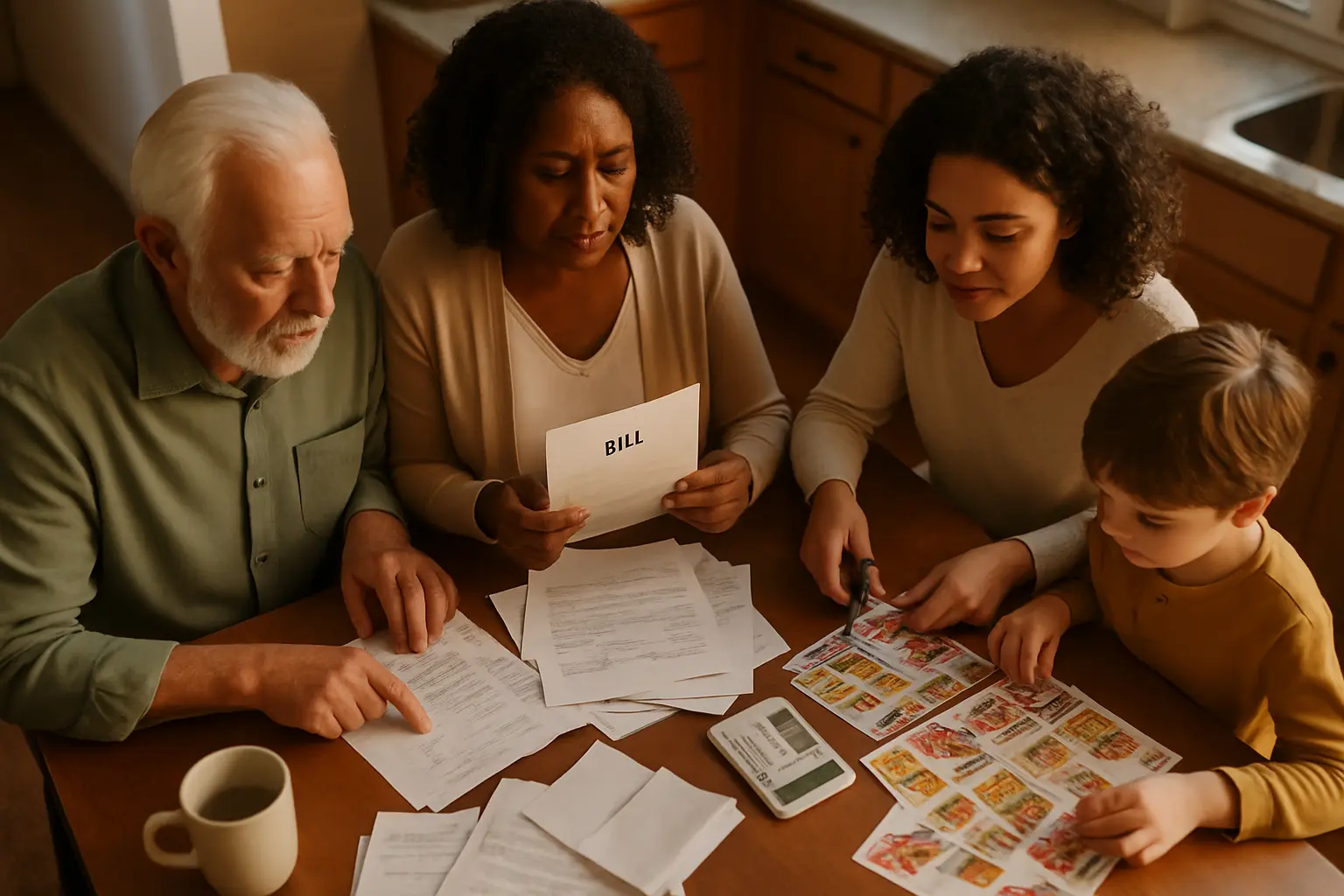

Inflation’s Not Gone—Multi-Layer Moves to Shield Your Household Budget
Although inflation measures fell slightly by late 2025, American families are still feeling the pinch—especially in the grocery aisle. Headline stats show price pressures are easing (AP News), but staples like food continue to climb faster than other consumer goods, stretching everyday budgets to the limit. If you’re determined to keep your finances resilient into 2026, it pays to look at multi-layered strategies—bundling public support, everyday tactics, and program stacking—to shield your household from stubborn price hikes.
Why Are Food Prices Still High Even as Overall Inflation Drops?
“Food costs rose 0.7% from November and are up 2.4% year-over-year—so even as core inflation cools, grocery bills continue to rise.” (See AP News coverage.)
Energy and retail goods have stabilized, but food hasn’t followed suit. Weather impacts, energy prices earlier in the year, and ongoing supply chain issues keep food inflation ‘sticky’—which is why many households are wondering why their paychecks don’t go further, regardless of better economic numbers elsewhere.
Concrete tip: Track your food spending and compare it to a few months ago—you might see a larger percent jump than national averages. Food budgets are especially tight for families with growing kids, special dietary needs, or those already relying on assistance.
What “Multi-Layer” Budget Shields Actually Work in 2026?
“Households that stack multiple food support channels—and blend them with bill and energy relief—report far better financial stability than those trying to cut costs by groceries alone.”
Don’t wait for Fed decisions or grocery prices to drop: consider proactive steps that combine direct aid, practical bill management, and overlooked savings routes:
- Double-check eligibility for food support programs: SNAP benefit reviews, summer EBT for kids, or pandemic-era boosts still available in some states. Even moderate-income households can qualify after job changes or rising costs. See SNAP guidelines.
- Use local food pantries and “bonus” grocery programs. Many are open to all, with no income paperwork—especially schools that offer meals or food kits during breaks.
- Bundle with other supports: Apply for energy bill or utility relief to free up funds for food. Programs like LIHEAP or local winter heating grants target families feeling high costs across the board. Learn more.
- Negotiate monthly bills: Shuffle auto-pay due dates, request hardship plans on utilities, or shop cell/internet rates during rate-lowering cycles—simple paperwork moves can offset high prices elsewhere.
- Price-watch and coupon stack: Digital loyalty apps and manufacturer couponing can still combine with existing SNAP/EBT cards in major chains, introducing savings most weeks for persistent shoppers.
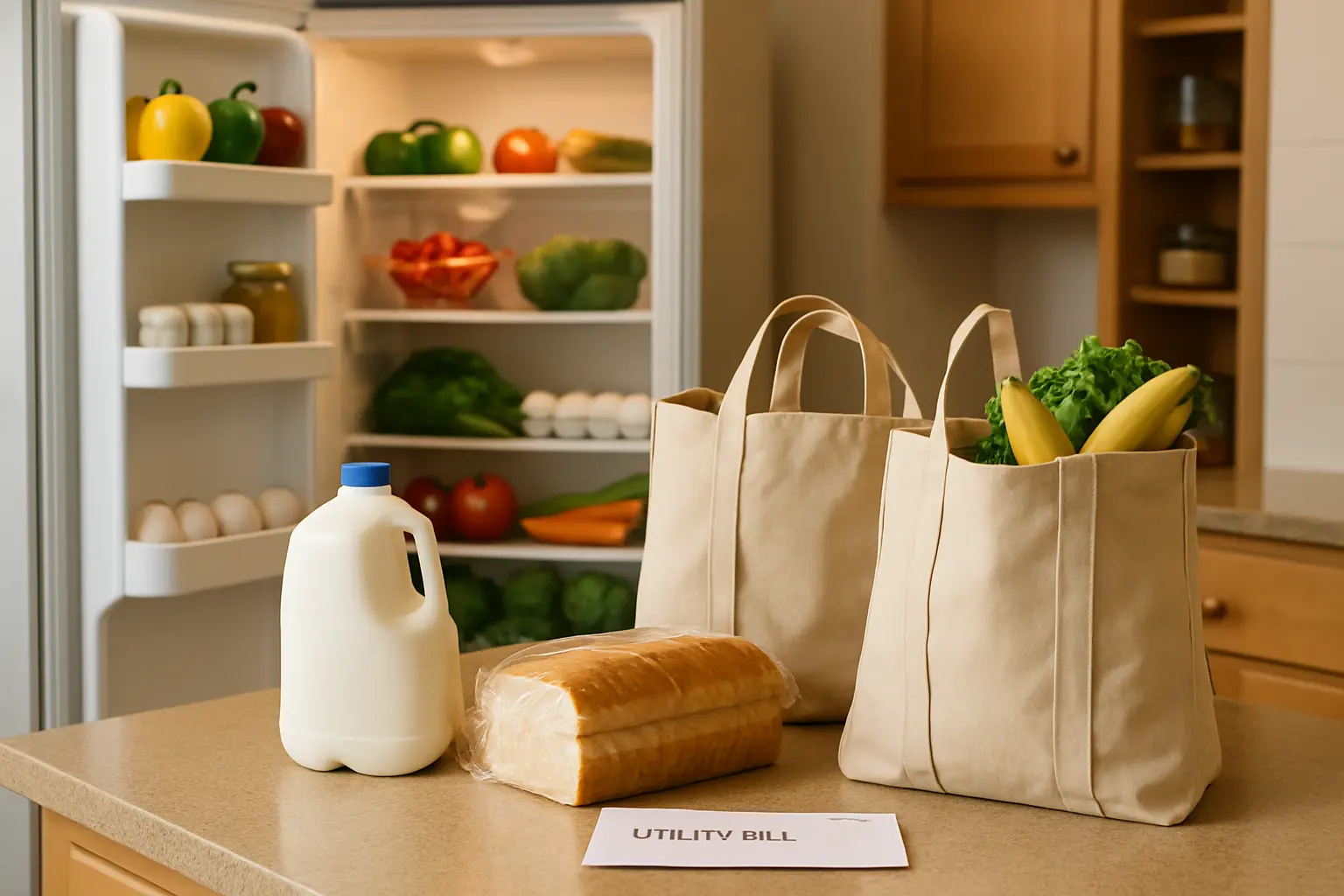
Important: No one-layer move offers a true shield. Combining as many relief routes as possible often bridges the gap—and smaller amounts from each add up much faster than expected.
Three Key Steps to Strengthen Your Budget Right Now
“Acting early to secure a support ‘stack’—before prices climb again—locks in greater security if inflation rebounds.”
- Schedule a personal ‘relief check-in’: Run an online benefits screener (like at Benefits.gov) to see if new income, household size, or spending changes open doors to fresh relief—especially EBT, food boxes, and utility support. Many programs update thresholds each winter or following price spikes.
- Ask about layering local with national programs: City and county agencies sometimes offer one-off grocery cards or energy payments not listed on federal portals. Local food pantries may partner with produce farmers for free weekly boxes—watch for “hidden” relief announced periodically.
- Monitor your bill due dates: If missing a payment is at risk, talk to providers now—most utilities have special hardship cycles open as soon as inflation headlines appear. Cash flow spacing helps families weather major price swings.
Small, repeated savings add serious security—especially as costs remain unpredictable. Being proactive, persistent, and creative with program layering grants more control than relying on eventual price drops or policy shifts.
Stressed by food inflation or bill jumps? Run a five-minute relief check today at official government benefit portals, compare layered support options in your area, and get ahead with ‘multi-layer’ strategies. The strongest household budgets in 2026 will be the ones that blend every available step—check your eligibility (or new price breaks) right now to make this inflation cycle more manageable.