Will New State Medical Debt Clearinghouses Finally Bring Faster Relief in 2025?
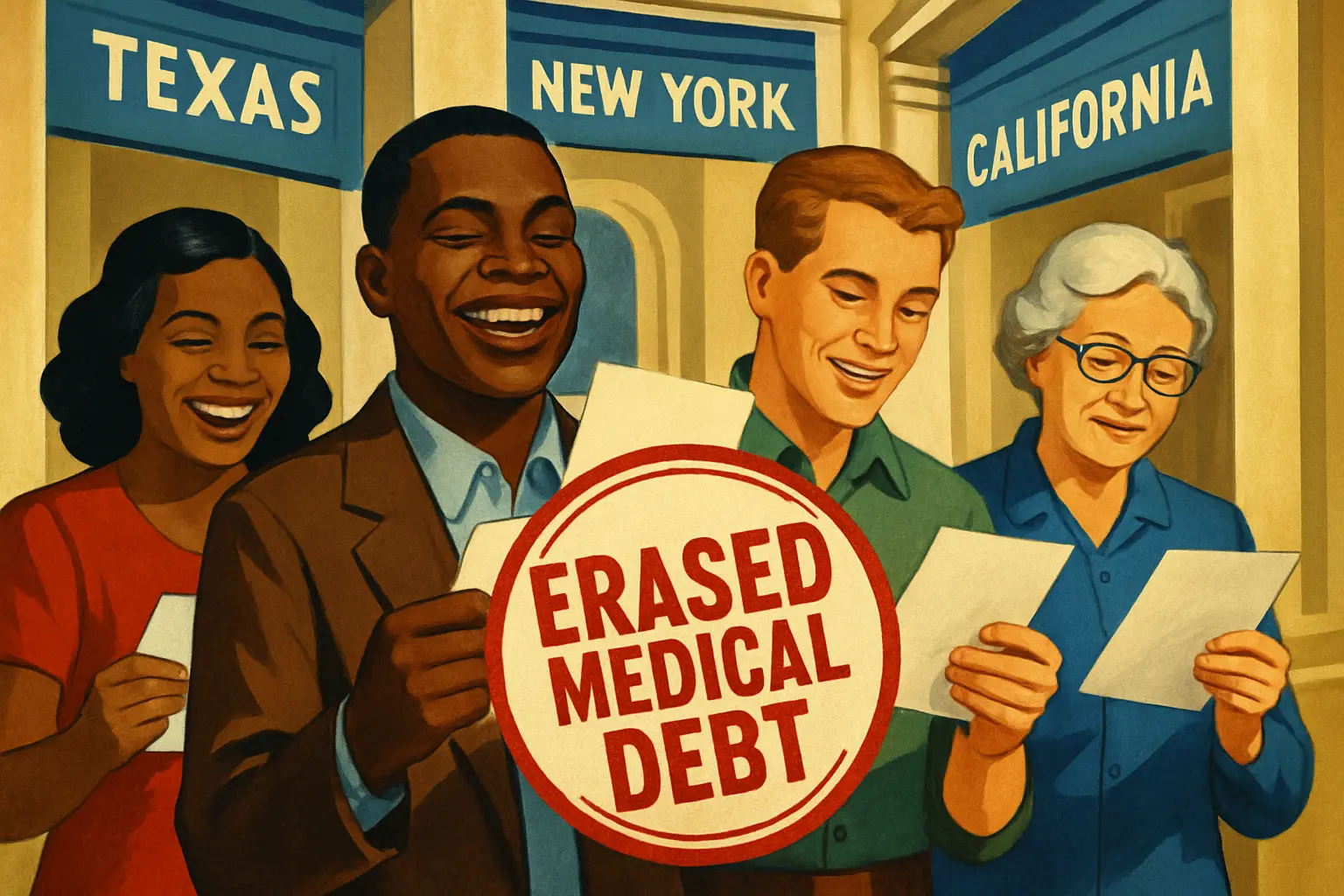
Imagine getting a letter in the mail that says your medical debt has vanished—no phone call, no paperwork, just relief. For hundreds of thousands of Americans, this is no longer wishful thinking. Thanks to new state-run ‘medical debt clearinghouses,’ relief sweeping across Rhode Island, Illinois, New Jersey, North Carolina, and Ohio is setting a fresh pace for how medical bills get wiped away in 2025.
How Medical Debt Clearinghouses Work—and Who’s Getting Fast Relief
Instead of piecemeal negotiations, today’s state-led clearinghouses operate like an ‘express lane’ for resolving medical bills. The process starts when a state works with nonprofit partners to buy up bundles of unpaid medical debt from hospitals or providers, typically for pennies on the dollar. Then, for eligible residents—often those whose medical debt is more than 5% of their annual income or falls under specific income caps—the debt is simply forgiven, no repayment required.
Rhode Island’s clearinghouse erased $7 million in medical bills with just $50,000 in state funds, helping close to 3,000 people start 2025 with clean slates (learn more).
- Cleveland wiped away over $165 million in debt for 160,000+ residents as pandemic relief funds powered a massive buy-up of overdue bills.
- New Jersey and Illinois launched similar programs, sometimes aiming to clear up to $1 billion in old balances by focusing on low- and middle-income families.
- North Carolina coordinated with all eligible hospitals to forgive $4 billion for as many as 2 million people, setting one of the broadest targets yet.
In each case, qualification rules can vary: check your state’s official health department or partner nonprofit for current eligibility guidelines. Most programs focus on helping those with substantial uninsured expenses or whose income falls below designated thresholds.
“The days of waiting years or needing perfect paperwork are fading—the new clearinghouses are built for speed and broad coverage,” says a policy adviser from an ongoing pilot program.
What to Expect: Automatic Relief, Credit Impact, and Timely Notifications
If your debt qualifies, you may never need to apply directly. Instead, automatic notifications—often in the form of a simple letter—signal the debt is gone, thanks to information provided by care providers and state partners. Already in 2025, thousands have had bills canceled through this automated process; for many, it’s the first time debt relief arrived without red tape or chasing down forgiveness plans.
Those affected should check mail carefully and keep an eye on credit reports—state clearinghouses work with hospitals to remove eligible debts both from collections and, increasingly, from credit files entirely.
- Past medical debt under $500 typically won’t appear on credit files any longer due to federal rules, but large erased debts often now get flagged for removal too (consult your state’s program and credit report directly).
- If you’ve received care in states running new programs—like North Carolina, Illinois, or New Jersey—but haven’t heard about relief, reach out to your health provider’s billing office or check official updates for this year’s buyback cycles.
- Additional non-profit partners, such as Undue Medical Debt (learn more), are working in tandem with state offices, often boosting the number of families served.
Some programs are launching or expanding through late 2025, so timing varies. Automatic forgiveness may still take weeks—but it’s undeniably faster than past efforts that required forms, verification, and persistent follow-up.
If you suspect you’re eligible but didn’t get a notice, check your state treasury or health program news and inquire—new cycles may add prior unpaid bills during each review.
Taking Action: How to Check Eligibility and What Comes Next
Even with more relief arriving automatically, being proactive gives you extra peace of mind. Start by:
- Reviewing communications from local hospitals, health systems, and state health departments for recent relief notifications or updates.
- Requesting a recent itemized copy of all medical debts—including those in collections—and compare with your state’s official clearinghouse program timeline.
- Visiting your state or city’s dedicated clearinghouse or relief program website for eligibility, updates, and partner contacts.
- Using free annual credit checks to confirm whether canceled debt is properly reflected off your records.
Bigger impact may be on the way as states compete to deliver more clearinghouse-style relief and medical providers ramp up buyback volume into 2026. For families still carrying high balances, this trend could mean more peace of mind–and fewer barriers to borrowing, housing, or just setting a realistic budget next year.
The doors are wide: see if you qualify for this round of medical debt relief in your state—checking takes only minutes and could bring real financial relief before the year is out.
This could be the fastest route yet to wiping out old medical bills and getting back on your feet—take a moment to explore official resources and see if your debts are on the coming wave of relief today.