Which Works Best for Your Medical Debt This Winter—Relief Clinics or DIY Online Tools?
Picture this: The first winter snow falls, but you’re inside, scanning another unexpectedly high medical bill. Facing rising costs and collection threats, you wonder—should you book a slot at a local medical debt relief clinic or tackle the dispute yourself using online tools?
Old-School Relief Clinics: Pros, Limits, and Who Benefits in 2025
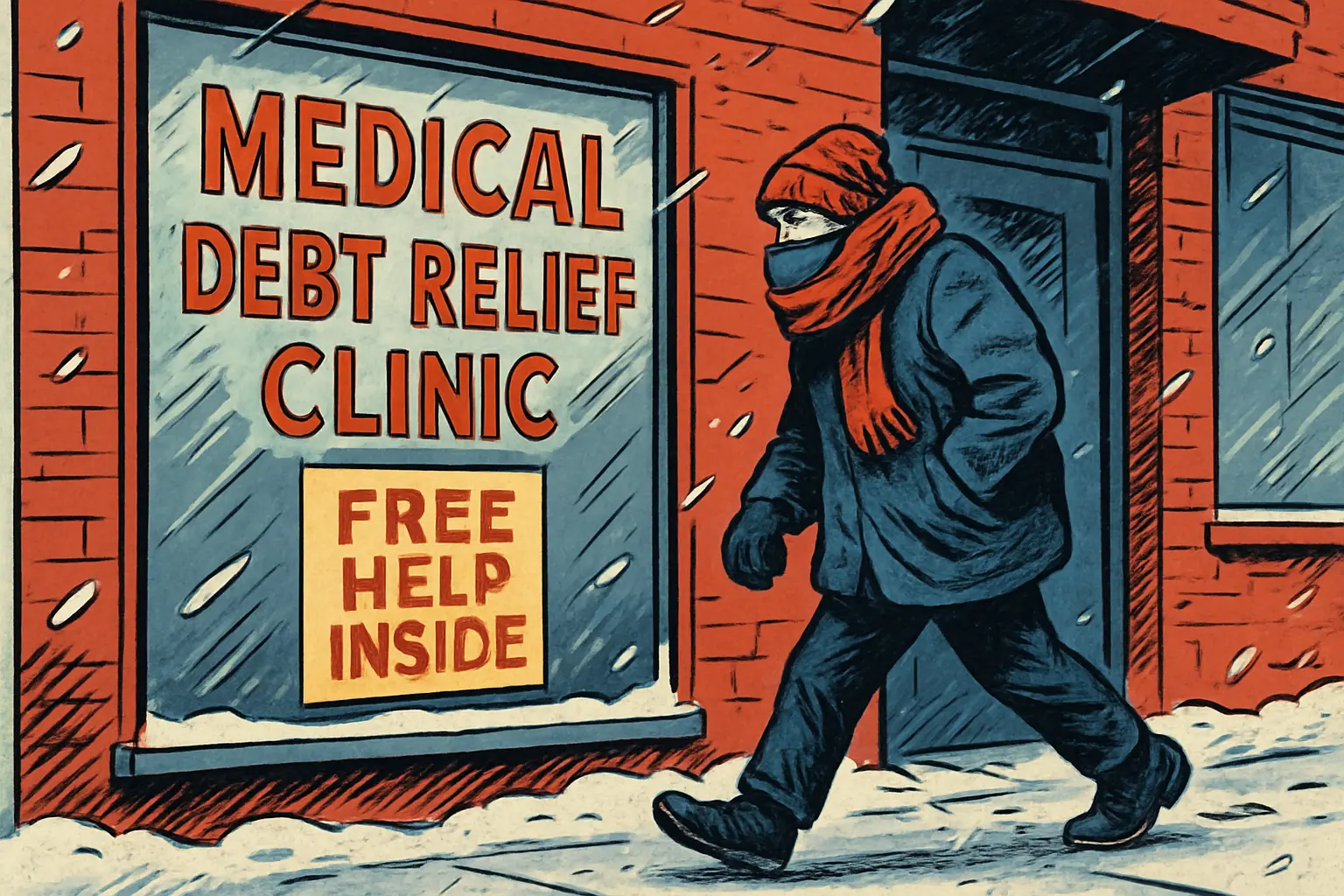
This season, nonprofit clinics and legal aid groups across the country offer free or low-cost in-person help for folks faltering under medical bills. Many of these clinics pair you with certified counselors or attorneys who review your bill line by line, spot errors, and negotiate charges directly with hospitals or collectors—sometimes saving you substantial money and stress.
“People often don’t realize how many charges are negotiable—or even incorrect—until an expert puts it all in plain language.”
- Clinics typically help with complex disputes, collections threats, and credit damage in states with active medical debt relief projects or charity care laws.
- Support can include drafting relief appeals, helping you apply for hospital charity programs, and contacting collection agencies to pause or resolve balances.
- Relief is not universal: demand often surges in winter, waitlists build up, and not all towns have dedicated clinics—plus, you’ll need documentation ready (bills, insurance statements, proof of income) for your first visit.
Tip: Clinics may prove especially helpful after insurance denials, if English isn’t your first language, or a bill threatens your credit right now. For some, these in-person resources turn an otherwise overwhelming process into a solvable step-by-step project.
If you’ve had trouble resolving a dispute on your own or worry a collector might sue, clinics bring seasoned eyes and real-world advocacy to your case this winter.
Online DIY Tools: Speed, Affordability, and When Going Solo Pays Off
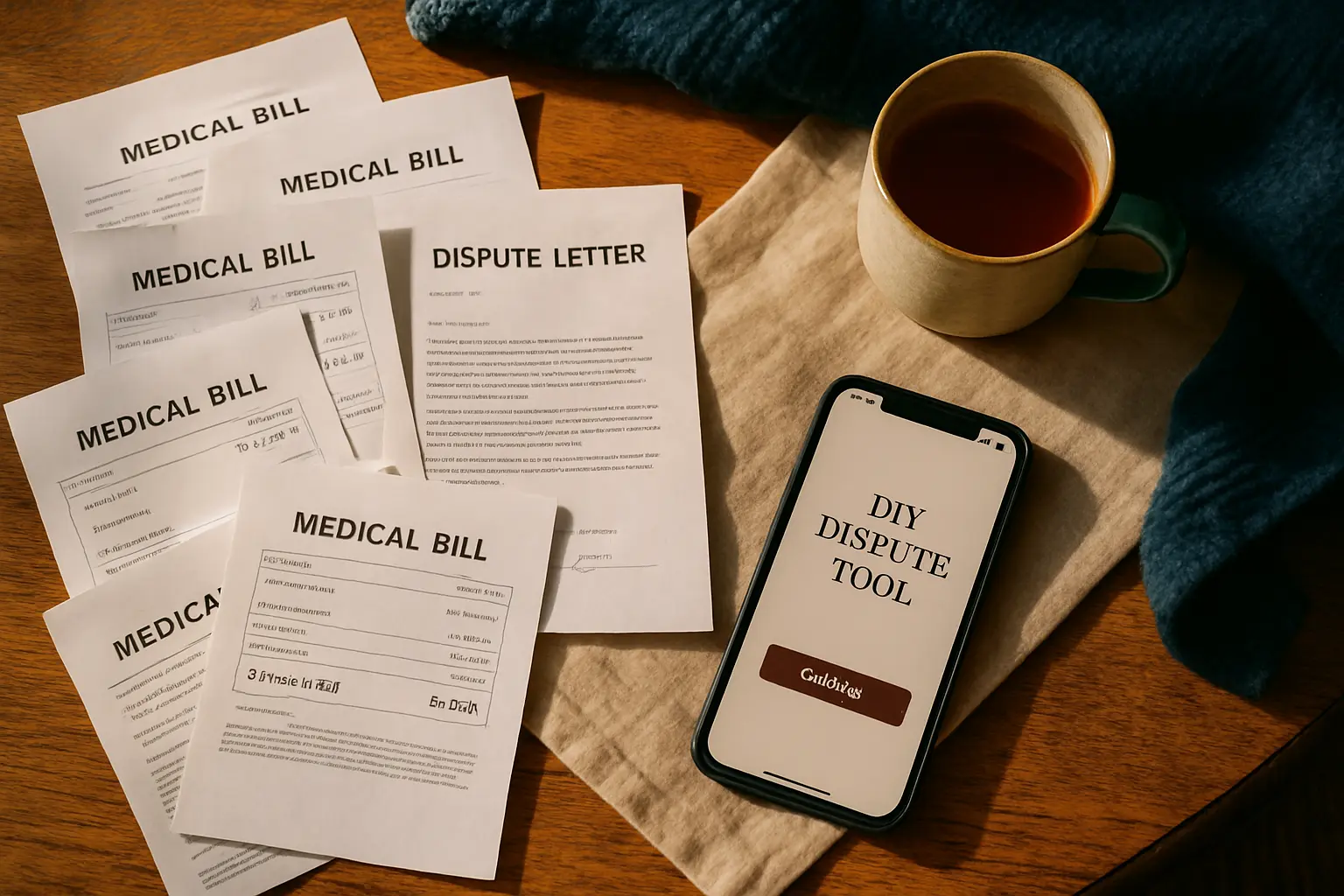
More consumers are now turning to online do-it-yourself tools to battle back on unclear or erroneous medical charges. Platforms like Patient Fairness, state health advocacy groups, and specialized credit defense sites offer step-by-step guides to examine bills, file disputes quickly, and even auto-generate appeal letters—all from your home computer or phone.
“Many bills are resolved faster when you ask for an itemized statement, review each service, and dispute suspicious codes directly with the provider—often with templates from free consumer tools.”
- Online guides from the CFPB and nonprofit sites let you check for duplicate or questionable charges, appeal denied insurance claims, and demand debt verification in writing from collectors (see DIY guide).
- Most online tools are free, anonymous, and work best if you are detail-oriented and comfortable with digital forms or phone scripts.
- If bills are small, in error, or have not yet gone to collections, the DIY path can unlock quick savings—avoid delays by gathering all insurer correspondence and recent bills before starting.
Keep in mind: Support is typically self-serve. But many states now offer video “how-to” clinics, official patient advocates, and even complaint escalation platforms for consumers running into tough or unresponsive providers.
Persistence is key: One missed email or failed follow-up can slow a dispute, but most successful online users report significant results in a matter of weeks if documents are complete and follow-up is prompt.
Finding Your Fit and Getting Started—Winter 2025 Edition
If you’re unsure which option to choose, take a breath and compare: If you want hands-on help, need guidance with complex paperwork, or face aggressive collection contacts, relief clinics offer support you can trust—especially for major balances or older bills. If you’re digitally savvy and confident reviewing documents on your own, DIY tools give you flexibility, privacy, and real momentum cost-free.
Double down for stronger results: Start with a digital dispute (like a letter from Patient Fairness or CFPB) while waiting for a clinic or nonprofit appointment—some consumers tackle both in parallel, multiplying their results.
- Whichever route you lean toward, first request an itemized bill and review all insurance decisions (many disputes are won simply by correcting codes)
- For most disputes, keeping notes, saving every email, and documenting phone calls can be as vital as the dispute itself.
- Consider free counseling hotlines, especially for elderly or English-as-second-language consumers—many programs are open evenings or weekends for winter schedules.
This winter could bring the relief you need—whether with a trusted expert at your side, fast digital tools at your fingertips, or both together. Don’t wait while balances grow. Take five minutes today to check your zip code for available medical relief clinics or recommended online resources and set your plan in motion before the winter bills pile up.