

Student Loan Tax Bomb Returns in 2026—Smart Moves to Cushion Big IRS Hits
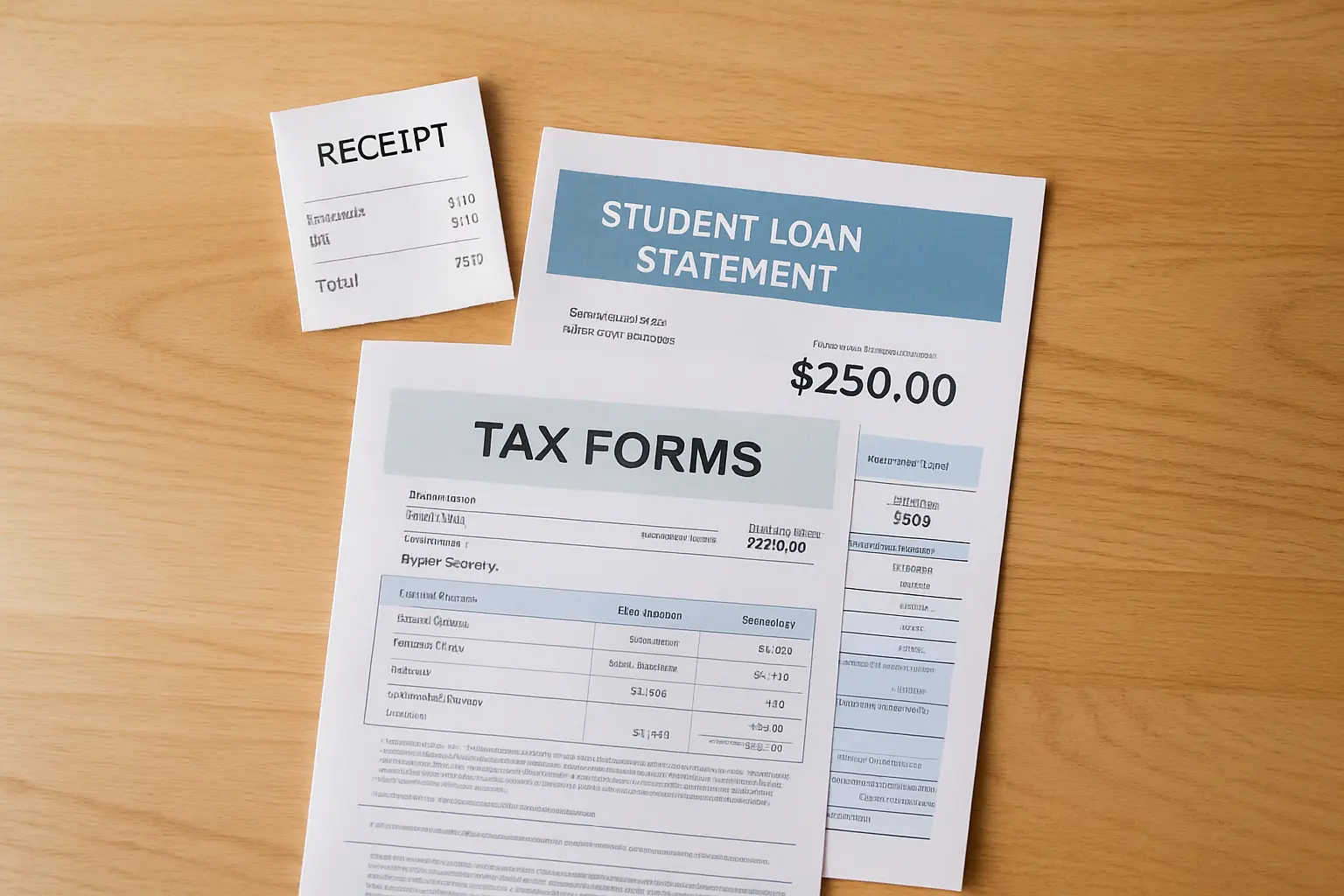
The student loan landscape is shifting again: starting January 1, 2026, many borrowers who see their loans forgiven under Income-Driven Repayment (IDR) plans may be hit with an unexpected bill from the IRS. What was once nontaxable now counts as income in most cases, reviving concerns about the so-called ‘student loan tax bomb.’ But the good news? There are practical, concrete steps to soften the blow—and in some cases, lower your tax liability on forgiveness date.
The Changing Rules for Forgiven Student Loan Debt
“Once the American Rescue Plan Act’s tax break expires at the end of 2025, federal IDR forgiven loan amounts will again generally be counted as taxable income for borrowers.” (Forbes)
For most federal borrowers, forgiven balances from IDR plans (like SAVE, PAYE, or IBR) will be treated as ordinary income by the IRS—and potentially by your state tax agency. That means a sizable tax bill could follow debt relief, especially for those who’ve had lower monthly payments and bigger remaining balances. Not all forgiveness is taxable, however: Public Service Loan Forgiveness (PSLF) and Teacher Loan Forgiveness will remain tax-free, both federally and in most states.
Consider checking your state’s rules too—some states may tax forgiven debt even if the federal government doesn’t, and others may offer special exclusions for student loans.
Actions to Take: Proactive Moves to Cushion Tax Shock
“Borrowers who get ahead of the IRS with basic tax planning can significantly minimize—or at the very least, better prepare for—the ‘tax bomb’.” (NerdWallet)
- Check your loan and forgiveness pathway now: Are you on an IDR plan with significant balance to be forgiven in or after 2026? If so, estimate your potential bill.
- Adjust your W-4 withholding or make estimated quarterly payments: This spreads out your tax obligation, lowering the risk of a surprise and potential penalties when you file.
- Consult a tax specialist: A professional can help you scope out legal ways to mitigate your tax bill, especially if you’ll land in a higher tax bracket.
- Explore IRS form 982 (insolvency claim): If your debts outweigh your assets when your loan is forgiven, you may qualify for tax forgiveness (but documentation is crucial). See IRS insolvency guidance for more details.
- Research and track state tax differences: Some states have their own rules. Verify with your state tax commission or Department of Revenue whether student loan forgiveness is taxable in your area for 2026.
- If a large forgiven amount is expected, put aside money gradually or set up alerts for IRS quarterly payment deadlines.
- Check if you qualify for education tax credits or student loan interest deductions in the same year as your forgiveness event, to offset what you owe.
Know the Exceptions—When the Tax Bomb Won’t Blow Up
“Public Service Loan Forgiveness (PSLF) and Teacher Loan Forgiveness remain tax-free, so not all loan cancellations will trigger a tax bill after 2026.” (Forbes)
If you expect to qualify for PSLF, TLF, or any other federally tax-exempt forgiveness route, your risk of a tax surprise in 2026 drops to zero for those balances. PSLF applies to government and non-profit workers making 120 qualifying payments; Teacher Loan Forgiveness covers eligible K-12 positions after as few as five years. Be aware that certain rare legal settlements (like total and permanent disability discharge) can have varying tax outcomes too—so review each program’s fine print, and don’t rely on assumptions.
- Resources: Use official estimators like the ED official IDR calculator or the IRS Student Loan Tax Center for projections.
Take the First Step Now: Prepare, Plan, and Check Your Specific Scenario
“Those who start researching the tax side now will have far more peace of mind than borrowers ignoring the issue until tax filing time.”
Start by reviewing your servicer’s portal for possible forgiveness timelines—and then plug your numbers into free federal and state tax bill simulators. Consider signing up for emails from the IRS, your loan servicer, or state tax office as 2026 approaches. You may also want to mark the deadlines for quarterly estimated taxes on your calendar. Don’t overlook the value of a five-minute call with a certified tax advisor this fall—it could save you thousands down the road. Curious what your potential forgiven balance could mean in real IRS dollars? Take two minutes today to check your eligibility, rough tax obligation, or possible insolvency claims online or with a tax professional before the bill comes due.