How a State Disaster Declaration Can Open the Door to Emergency Relief and Grants
Picture this: Flash floods hit your town, roads close overnight, and families scramble as the power flickers off. In the storm’s aftermath, what turns a tough week into a lifeline for thousands? In many cases, it’s the moment your governor declares a disaster—immediately unlocking a world of emergency grants, food aid, and recovery resources most never see in normal times.
What Changes When a Disaster Is Declared?
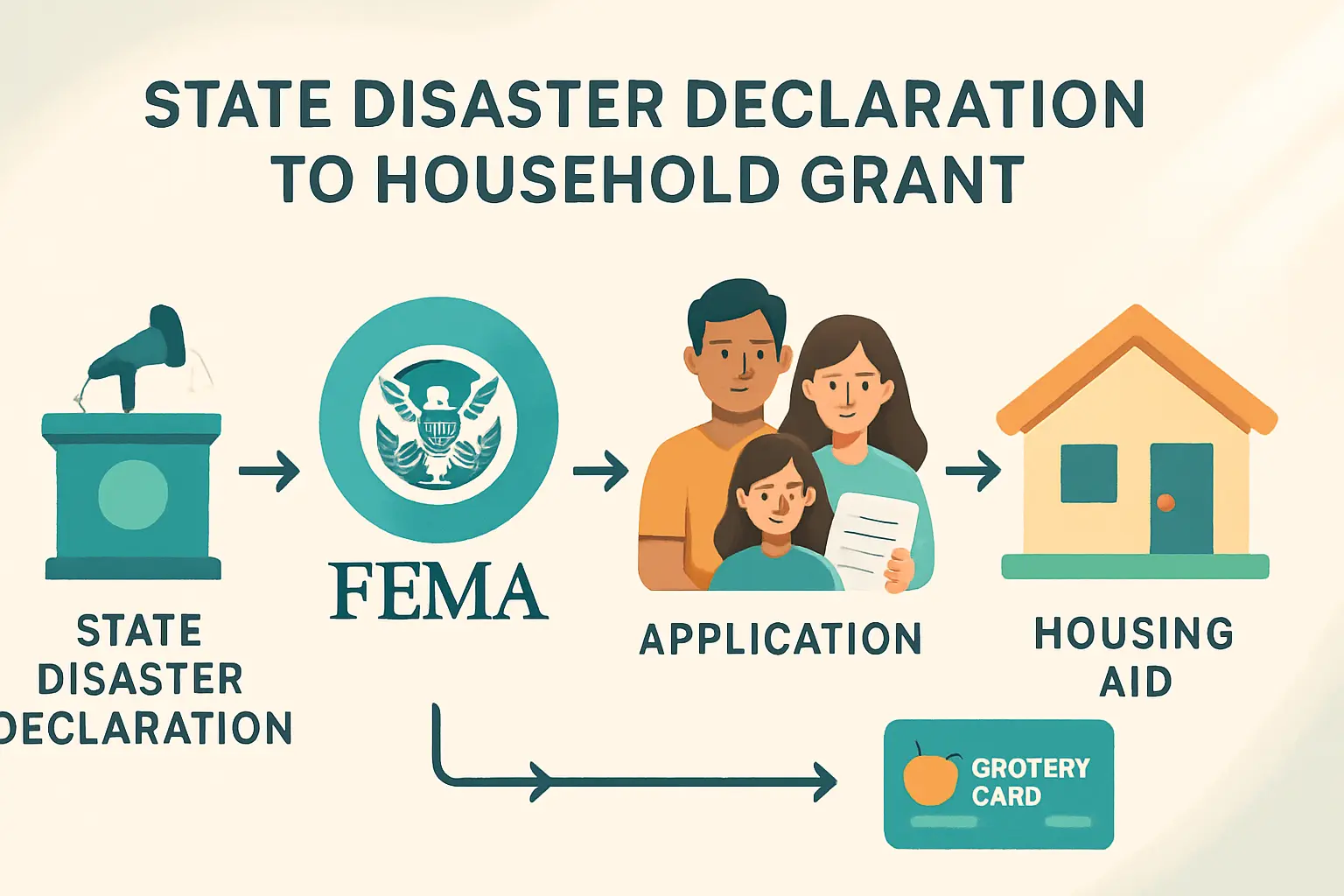
The second a state or the federal government makes an official disaster declaration, all sorts of support become possible for affected communities. This declaration acts as a legal key—giving agencies the green light to bring in outside help, shift local budgets, and set up special recovery programs only available after such events.
“A state or presidential disaster declaration activates federal and state programs that can deliver temporary aid, supplement local resources, and help individuals recover from losses they couldn’t prepare for”—see FEMA’s eligibility guide.
Support can range from urgent help (like shelter and immediate cash assistance) to long-term efforts (including grants for home repairs and grants for public facilities). It also means that federal agencies, such as FEMA, fund state and community-led solutions—from food replacements to public health outreach or cabins for those whose homes are uninhabitable. Each new declaration draws down funding streams that stay closed the rest of the year.
Which Grants and Emergency Programs Become Available?
The details depend on the situation, but here are the most common emergency grants and relief options that can open quickly for individuals and families when your state’s disaster declaration is in effect:
- FEMA Individual Assistance (IA): Home repair or replacement funds, basic needs grants, rental help, and more for primary residences devastated by disaster—eligibility requires U.S. citizenship or qualifying residency; documentation is checked at application (FEMA eligibility criteria).
- Disaster Supplemental Nutrition Assistance Program (D-SNAP): Sometimes called “emergency food stamps,” D-SNAP helps families cover groceries lost to disasters—even those not previously eligible for SNAP. Activated for defined ZIP codes and timeframes (D-SNAP recipient eligibility).
- Disaster Unemployment Assistance (DUA): Pays benefits to folks whose jobs are lost or interrupted specifically due to a declared disaster—and covers people who don’t qualify for regular unemployment, such as self-employed residents (see FAQ).
- State or Local Emergency Cash Grants: Some states offer direct relief to victims or households facing an immediate essential loss, like property damage or evacuation expenses; rules vary, but applications often go live within days of a governor’s order.
The critical takeaway: These programs open only when a disaster is officially declared, and the help can be significant for qualifying applicants.
Depending on your eligibility, you could access home repair grants, rental aid, job loss benefits, and food replacement funds unavailable any other way—all prompted by a single declaration.
How to Apply—And Who Needs to Prepare What?
Applying for disaster aid usually starts online, by phone, or in person at a community recovery center announced in the state’s or FEMA’s disaster update. Here’s the basic process:
- Visit the Disaster Assistance online portal or use your state’s emergency management website for the most current instructions.
- Have proof of residency (like a utility bill or lease), picture ID, documentation of disaster-related damages, and, if possible, photos or receipts for lost possessions.
- For grants like D-SNAP, documentation about lost food, income disruption, or other major impacts may be needed. Public benefit offices and official relief sites will detail current requirements in plain language.
“Submit your documents as soon as programs open—funding windows can be short and applying early boosts your odds for support.”
Quick tip: Disaster declarations often lead to long lines and technical glitches, especially in impacted areas. Many nonprofit partners, like local charities or United Way branches, step in with free guidance or application help—so ask if you’re feeling stuck or overwhelmed.
New to this process or unsure if you’re eligible? There’s no downside to checking your state’s active disaster relief page or calling the FEMA helpline for info before applying.
This year’s disasters have made it clear: knowing how state disaster declarations work unlocks action, not just answers—and could protect your budget or get you back on your feet faster than going it alone. Ready to find out which emergency grants, food, or cash programs might be available in your area, right now? Take a few minutes to review your state resources and let disaster relief start working in your corner today.