
Check Summer Property Tax Help Before Local Deadlines Slip By
A tax bill does not usually arrive with much sympathy. If a homeowner is already juggling insurance, utilities, or repair costs, property taxes can feel like the bill that crowds everything else out. The good news is that some counties and states still have homeowner relief programs, payment breaks, or reimbursements worth checking before fall mail starts piling up.
This is not the same as a general tax-filing article. The practical question here is narrower: where can a homeowner still find summer property tax help, and which deadlines matter right now? Some programs are already sending checks. Some still accept applications. Others closed earlier in the year but are still useful to note if you want to be ready next season.
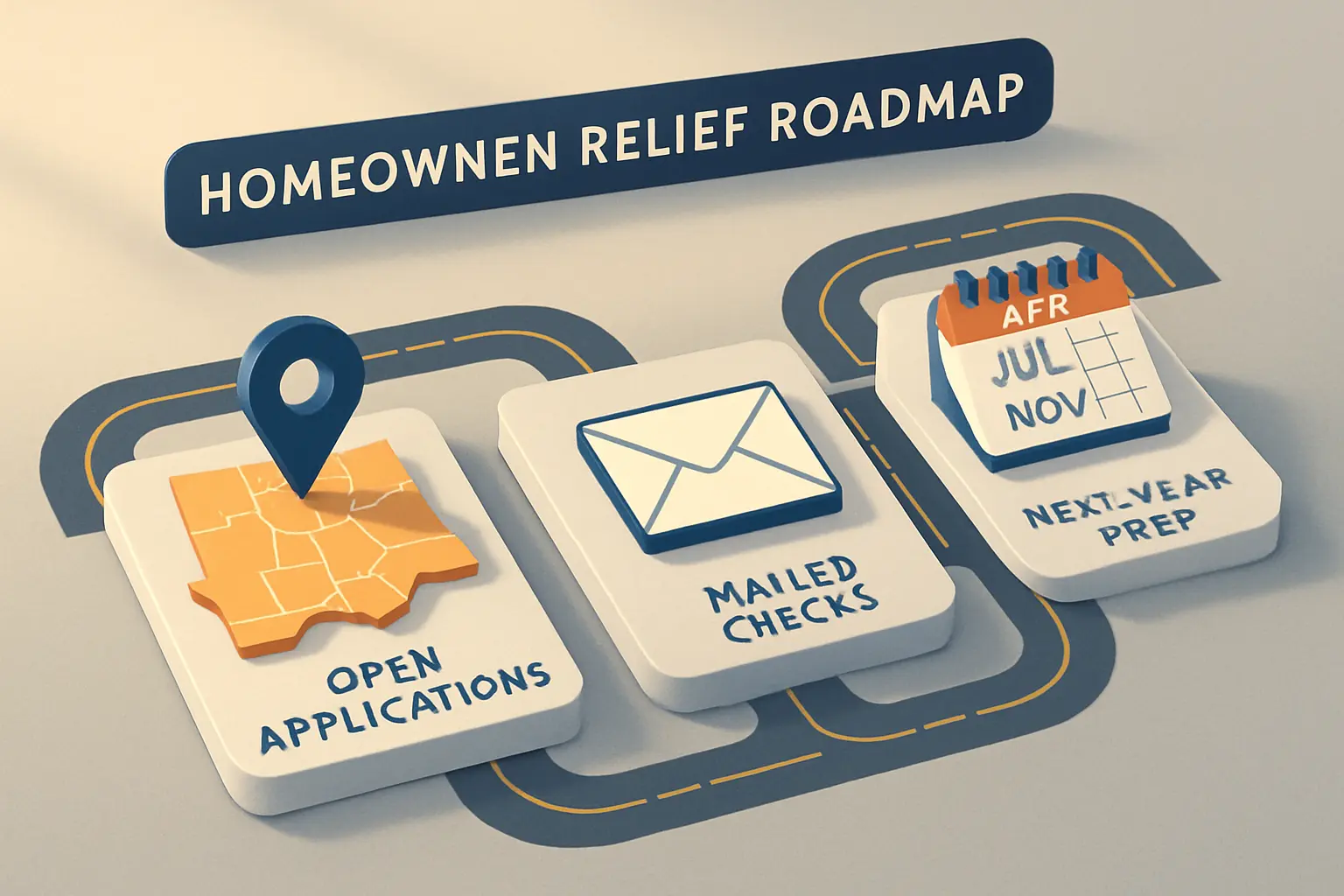
For many households, the smartest move is to sort programs into three buckets: still open, paying now, and missed for this year but worth preparing for. That keeps the search manageable and can save time when calling a county assessor, tax collector, or state revenue office.
Start by separating programs that are still open from ones already in payout mode
The quickest way to cut confusion is to stop treating every property-tax program like it has the same calendar.
Some relief is claimed months before a bill is due, while other help arrives as a later rebate or reimbursement, so timing matters as much as eligibility.
A lot of homeowners look up tax relief only after seeing a summer or early-fall bill. By then, one program may still be open while another closed in April. That does not mean the search is pointless. It just means the right next step depends on the type of aid offered.
In New Jersey, for example, the Senior Freeze benefit is tied to when an application was filed, with 2026 payments beginning as early as mid-July for earlier filers and later in the year for later submissions. The separate Stay NJ property tax benefit has a filing deadline of November 2, 2026 for eligible older homeowners.
In Pennsylvania, the property tax or rent rebate deadline has been extended through the end of 2026, which means some residents still have time to act.
A simpler way to organize the search is this:
- Still open: focus on application rules and documents
- Paying now: check status, mailing dates, and whether anything else must be completed
- Already closed: save the details for next year and ask about payment plans or hardship options instead
That three-part approach is often more useful than searching random state names and hoping one program fits.
Where homeowners may still find meaningful help before fall
The strongest late-summer opportunities are often programs with extended deadlines or benefits already moving through the system.
A program is still valuable even if the cash does not arrive today; sometimes the real win is getting into the pipeline before the next tax due date.
If there is still time to apply, a few current examples stand out. Pennsylvania residents may still want to review the state rebate program, since the deadline now runs through December 31, 2026. That gives older adults and other eligible residents extra room to submit paperwork rather than assuming they missed the window.
New Jersey also remains important because the Stay NJ program lists a November 2, 2026 filing deadline. According to the local summary, the benefit can reimburse half of a qualifying property tax bill for eligible homeowners age 65 and older, subject to program caps and other rules.
New York homeowners may not be filing a summer claim in the same way, but the STAR benefit is sending relief during summer and into fall. Payments are being mailed from June through October depending on location, and eligible homeowners may receive different amounts under Basic or Enhanced STAR.
For people checking mailboxes and bank balances, that means two practical questions matter:
- Is there still an application window?
- If not, is a payment already scheduled and worth tracking?
Those questions sound small, but they often determine whether a homeowner should spend the next hour applying, calling, or simply confirming payment timing.
Programs with earlier deadlines still matter because they reveal what to watch next year
Even when this year’s filing window has passed, older deadline information can help homeowners build a better plan for the next cycle.
A closed application window is frustrating, but it is also a map for when to prepare records, income proof, and ownership documents before the next round opens.
Several 2026 programs had early filing periods, which is exactly why summer is a good time to start planning instead of waiting for another bill shock. In Missouri, the senior real estate tax relief program ran from March 1 through July 6, 2026. Eligible residents need to apply or renew each year to keep receiving a credit.
Kansas had an even earlier local schedule. Johnson County’s property tax relief application window opened January 15 and closed April 15, 2026, with summer checks planned for approved residents.
Idaho’s two major homeowner options also used an April 15, 2026 deadline: the property tax reduction program and the property tax deferral program. One is aimed at reducing taxes for qualifying households; the other allows eligible owners to postpone part of what they owe.
If a local deadline already passed, use the missed window productively. Create a folder now with:
- Proof of age if a senior benefit may apply
- Income records for the required tax year
- Homeownership and residency documents
- Past tax bills
- Any disability or veteran-related paperwork a program might request
That way, next year starts with preparation instead of panic.
Do not overlook payment status, deferral choices, or disaster-related tax relief
Relief is not always a standard exemption, since some homeowners may need a delayed payment option or a special deadline tied to hardship.
For a household under pressure, a deferral or delayed filing date can be just as useful as a rebate because it creates breathing room when cash is tight.
Some tax help does not reduce a bill in the usual way. Idaho’s deferral program, for example, is built around postponing property taxes on a qualifying home and up to one acre of land for eligible homeowners within income limits. That kind of program may appeal to people with valuable homes but limited current income.
Disaster-related relief can also show up outside the usual property-tax channels. In Georgia, taxpayers in certain wildfire-affected counties have until August 20, 2026 to handle covered federal filing and payment obligations under the announced wildfire tax relief timeline. That is not a standard homeowner rebate, but it is still a tax deadline extension that could matter for household cash flow.
Meanwhile, homeowners already approved for a benefit should not assume the job is done. New Jersey filers waiting on Senior Freeze payments or New York residents expecting STAR checks may simply need to verify mailing windows, addresses, or whether the application was accepted.
If there is no open relief program in your area right now, ask the local tax office about other paths such as:
- Installment plans
- Hardship review options
- Penalty relief policies
- Senior, disability, or veteran exemptions for the next cycle
That will not create eligibility by itself, but it can uncover options many homeowners never hear about until they are already behind.
A short action plan can make the search less overwhelming this week
The best next step is usually one organized hour with your bill, county website, and state program list in front of you.
Property-tax relief is easier to find when you search by your exact county and homeowner category instead of relying on broad national headlines.
Keep the process practical. Start with your latest tax bill and note the county, parcel information, and due dates. Then search the official county treasurer, assessor, or state tax website for terms like homeowner relief, rebate, deferral, exemption, installment plan, or senior tax assistance.
Use a same-week checklist:
- Check whether your state or county program is still open in 2026
- If it is closed, write down the usual filing month for next year
- Confirm whether a benefit you already applied for is now being mailed
- Gather proof of income, age, disability status, and occupancy
- Ask the tax office about payment plans if relief deadlines were missed
- Save links and deadlines in one note or folder
It also helps to think locally before thinking broadly. Statewide programs get the headlines, but county-level help may be easier to miss. A local office may also explain whether a homeowner can stack more than one form of assistance, such as a state rebate plus a county installment plan.
No program promises approval, and rules can change by location. Still, summer is one of the best times to get ahead of fall bills because you can still catch an open deadline, track a payment already in motion, or prepare for the next filing cycle with far less stress. If a property tax bill is already on your mind, today is a smart time to check which local relief paths may still fit your home and budget.