

Cash-Paid Prescriptions and Deductibles: What May Change
If you have a high-deductible health plan, you may have run into a frustrating problem: sometimes the lowest pharmacy price is not your insurance price. A coupon, discount card, or cash-pay platform may cost less at the counter than running the prescription through your plan. But even when paying cash saves money that day, those dollars often do not get credited toward your deductible or your annual out-of-pocket limit.
That issue is getting fresh attention. A newly reported Republican proposal in Congress would require some commercial insurers to count certain cash-pay prescription purchases toward deductibles and out-of-pocket maximums. The idea is simple: if a covered drug is cheaper through a cash-pay route, the patient should not be penalized for choosing the lower price. The proposal is newsworthy, but it is still just that—a proposal. It is not a nationwide rule today.
That makes this a good time to focus on the part you can control now: learning your plan rules, comparing pharmacy prices carefully, and keeping documentation in case your plan already allows reimbursement or claim submission for out-of-pocket prescription costs. Even if no law changes this week, these habits can help you avoid overpaying and make it easier to challenge mistakes later.
This guide explains what the headline really means, how today’s rules usually work, and what practical steps may help if you buy medicine outside your insurance claim system.
What is the proposal, and does it already apply to your plan?
The short answer is no: most people should not assume cash-paid prescriptions automatically count right now.
According to recent reporting, lawmakers are discussing legislation that would require commercial health insurers to credit certain cash-pay drug purchases toward a member’s deductible and out-of-pocket cap. That could matter for people who use prescription discount tools or pay a lower self-pay price at the pharmacy counter instead of using their insurance card.
A lower price at pickup does not automatically mean the expense is being tracked inside your health plan.
Today, many plans do not automatically count those purchases. In fact, some discount services openly explain that their transactions generally do not flow into your insurance deductible unless your insurer has a specific submission process and accepts the expense. In other words, the key problem is not whether the medicine was real or medically necessary. It is whether the purchase was processed in a way your plan recognizes.
There are a few reasons this gets complicated:
- Your insurer may only count prescriptions adjudicated through its own pharmacy benefit system.
- The discount price may come from a pharmacy benefit manager or separate cash network outside your plan.
- Your plan may cover the drug, but only at certain pharmacies or under certain claim procedures.
- Some plans have rules involving copay accumulator or maximizer designs, especially when manufacturer assistance is involved.
- State protections can differ, and self-funded employer plans may follow different rules than fully insured state-regulated plans.
If you have employer coverage, ACA marketplace coverage, or an individual commercial plan, your next step is not to guess. Pull up your Summary of Benefits and Coverage, drug benefit documents, or member portal. Look for sections on pharmacy claims, reimbursement, non-network pharmacies, prescription receipts, and what counts toward deductible or out-of-pocket maximums.
If the language is unclear, call member services and ask a narrow question: if you buy a covered prescription without using insurance because the cash price is lower, can you submit that receipt for reimbursement or deductible credit? Ask the representative where that rule appears in writing. If they answer verbally, note the date, time, and reference number.
This is important because headlines can move faster than plan administration. Even if a bill eventually passes, insurers would likely need implementation guidance, system changes, and effective dates. Until then, your current contract terms still matter.
What should you compare before deciding to use cash, a coupon, or insurance?
Do not compare only the sticker price—compare the full value of each path.
At the counter, it may seem obvious to choose the lowest immediate price. But for many households, the right choice depends on whether the purchase helps meet a deductible, whether the drug is covered, and whether you can later submit the expense.
The cheapest checkout total is not always the lowest overall annual cost once deductible rules enter the picture.
Start by checking four numbers for the exact same medication: dosage, quantity, and form. A capsule and a tablet, or a 30-day and 90-day fill, can produce different prices.
- Price using your insurance at an in-network pharmacy
- Price using a cash-pay or discount platform
- Price at another nearby pharmacy, including grocery or big-box options
- Mail-order or preferred pharmacy price, if your plan offers one
Then ask these practical questions:
- Is the medication on your plan formulary?
- Is prior authorization required?
- Would using insurance move you closer to meeting a deductible you are likely to hit anyway this year?
- If you pay cash now, can you submit a paper or online claim later?
- Are there deadlines for reimbursement claims?
- Does the pharmacy receipt show the drug details your insurer requires?
For some people, especially those who rarely use medical care, the cheaper cash price may still be the better move even if it never counts toward the deductible. For others with ongoing medical needs, paying slightly more through insurance could make sense if it pushes them toward the deductible or out-of-pocket limit and lowers later expenses.
Be extra careful with assumptions about discount cards and assistance programs. Some support lowers what you pay but does not reduce what your plan thinks you owe. KFF has explained how accumulator and maximizer policies can affect what gets credited in some situations, though the details vary by plan type and by state rules.
Also remember that reimbursement is different from deductible credit. A plan might allow one, both, or neither. For example, some insurers provide forms for members who paid out of pocket for a covered prescription in certain circumstances, often requiring a detailed pharmacy receipt and proof the medicine is a covered benefit. That does not guarantee every cash purchase will be reimbursed or counted, but it shows why receipts matter.
If you take a maintenance medication every month, this is a good place to do annual math instead of one-fill math. Sometimes a discount route wins every month. Sometimes insurance looks expensive in January but becomes the better value after the deductible is met. The right answer depends on your total health spending pattern, not just one refill.
Read the recent proposal overview, and review your own insurer or pharmacy-benefit documents before relying on broad claims online.
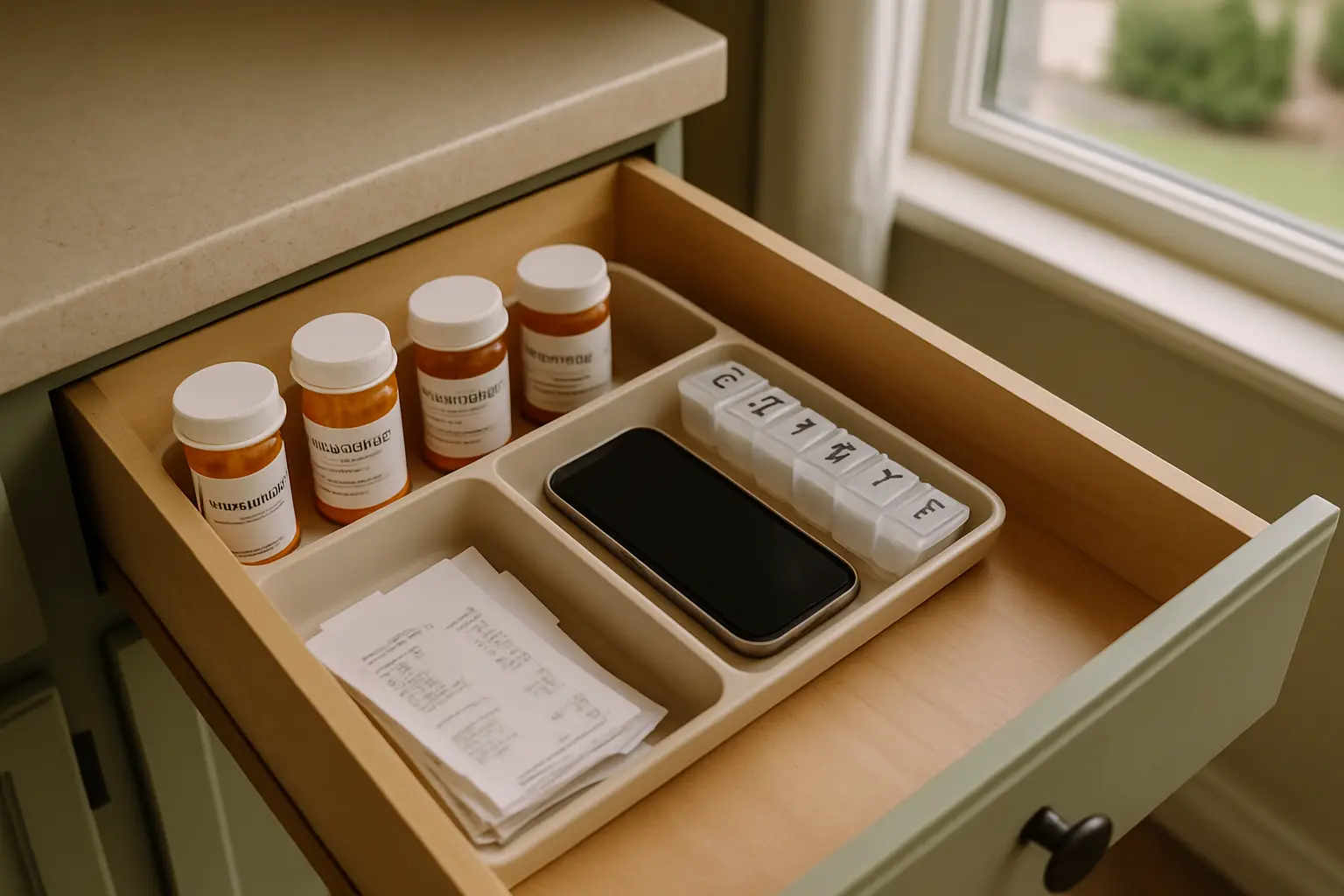
What records should you keep now in case claim rules shift or an appeal becomes necessary?
Your receipt file may be the most useful step you take this year.
If your plan already permits reimbursement submissions, or if future rules expand what must be credited, your documentation will matter. A basic bank statement usually is not enough. Health plans often want itemized proof tied to a covered drug and a specific fill date.
If an insurer cannot match your purchase to a covered prescription, the expense may be hard to credit later even if the price was legitimate.
Try to save these items each time you buy a prescription outside standard insurance processing:
- The itemized pharmacy receipt
- The prescription label information or printout showing drug name, strength, quantity, and date filled
- Proof of payment, such as a card receipt or account transaction
- The prescribing clinician’s information if shown
- Any screenshot of the price quote you relied on
- Your insurer call notes, chat transcript, or message confirming whether submissions are allowed
Create a simple folder on your phone or computer for each family member. Label each file with the date, pharmacy, medication name, and amount paid. If the pharmacy uses an app, download the receipt the same day. Some records disappear or become harder to retrieve later.
Next, check deadlines. Many plans impose a claims-filing time limit. That could be 90 days, 180 days, or longer depending on the plan. Missing that window can sink an otherwise valid request. Search your member handbook for phrases like “timely filing,” “member-submitted claims,” or “pharmacy reimbursement form.”
If your insurer says no, ask for the denial in writing if possible. Then review whether the drug is covered, whether the pharmacy was in network, and whether the receipt was missing required details. Sometimes a rejection is based on missing documentation, not a final determination that the expense can never count.
If you need a form, look for the official pharmacy claim or reimbursement page from your carrier or pharmacy benefit manager. Examples from large insurers show that member-submitted prescription claims may require a universal claim form, the National Drug Code when available, and an itemized receipt from the pharmacy. Always use the current official form from your plan.
Useful places to review:
- GoodRx explanation of deductible treatment
- KFF background on copay accumulator and maximizer policies
- Example insurer pharmacy claim FAQ
If your costs are substantial, consider comparing what your Explanation of Benefits shows against your pharmacy receipts throughout the year. This helps you catch missing credits, duplicate fills, or deductible tracking errors before open enrollment or year-end deadlines arrive.
What are the smartest next moves if you have a high-deductible plan?
Build a repeatable system, not a one-time scramble.
Even if Congress never changes the rule, you can make better decisions right now by turning this into a monthly routine. That is especially useful if you manage prescriptions for children, a spouse, or aging parents.
People usually lose deductible credit opportunities through missing paperwork and missed deadlines, not just bad prices.
Here is a practical workflow:
- List your ongoing prescriptions and refill dates.
- For each refill, compare insurance, cash, and discount pricing for the exact drug and quantity.
- Check whether the pharmacy is in network and whether your plan allows member-submitted claims.
- Choose the route with the best overall value for your likely yearly spending, not just the lowest same-day charge.
- Save itemized proof every time you pay out of pocket.
- Submit claims promptly when your plan allows it.
- Review your deductible and out-of-pocket tracker in the member portal every month or two.
- Appeal promptly if a covered expense should have been recognized under your plan rules.
During open enrollment, add one more step: compare plan types with pharmacy use in mind. A high-deductible plan can work well for some households, but it may feel harsher if you rely on multiple brand drugs, face prior-authorization hurdles, or regularly find lower prices outside the insurance system. In that case, a different plan design next year could matter more than any single pharmacy trick.
Also, be realistic about where official answers come from. Social posts, deal forums, and coupon apps can surface useful leads, but your insurer’s plan documents and member services team control how expenses are treated under your specific coverage. If the law changes later, the official rollout will likely show up in plan notices, carrier FAQs, and updated benefits language.
For now, the biggest takeaway is simple: when a cash price beats your insurance price, do not throw away the paperwork. The savings may help you today, and the records may help you later.
If you want to act on this today, check your pharmacy benefit rules, compare one refill two ways, and save the receipt before the month gets away from you. A few minutes now could make it easier to confirm credits, submit claims, or compare plan costs while rates and drug prices are still in motion.