
How to Avoid Losing Utilities When Moratoriums Expire: Act Now for Energy Relief
If you’re nervous about overdue energy bills as winter protections wrap up, acting now can prevent unwelcome surprises when temperatures drop and moratoriums end. Many Americans rely on these seasonal safeguards, but once they’re lifted, utility companies can resume disconnections for unpaid accounts. Here’s how you can take charge and find support before the deadlines pass.
Understanding Winter Utility Moratoriums and Why Timing Matters
A winter shutoff moratorium is a temporary rule that stops gas and electricity disconnections during the coldest months. Each state controls its timeline and requirements, often starting in late fall and ending sometime between March and April. Missing the window to seek assistance means you could face shutoff as soon as protections end. Some utility companies, like National Grid, post their moratorium dates and guidance for at-risk customers on their websites, so always check your provider’s announcements.
“If you’re behind on payments now, don’t wait for a shutoff notice—being proactive can keep your heat and lights on,” counsels the Pennsylvania Public Utility Commission.
Which Utility Assistance Programs Can Help?
The federal Low-Income Home Energy Assistance Program (LIHEAP) helps eligible households with heating and cooling bills nationwide. On top of that, most states and many major utility companies—like New Jersey’s state utility relief or National Grid in Massachusetts—offer payment plans, arrearage forgiveness, or matching grants. Not all programs are automatic, and each has unique income and documentation rules, so it pays to compare options ahead of time. For those renting, or who face rapid changes in income, grants or special emergency funds may also be available through local agencies.
Most assistance is awarded on a first-come, first-served basis, so applications sent earlier have a better chance of funding.
What Steps Should You Take Before Moratoriums Expire?
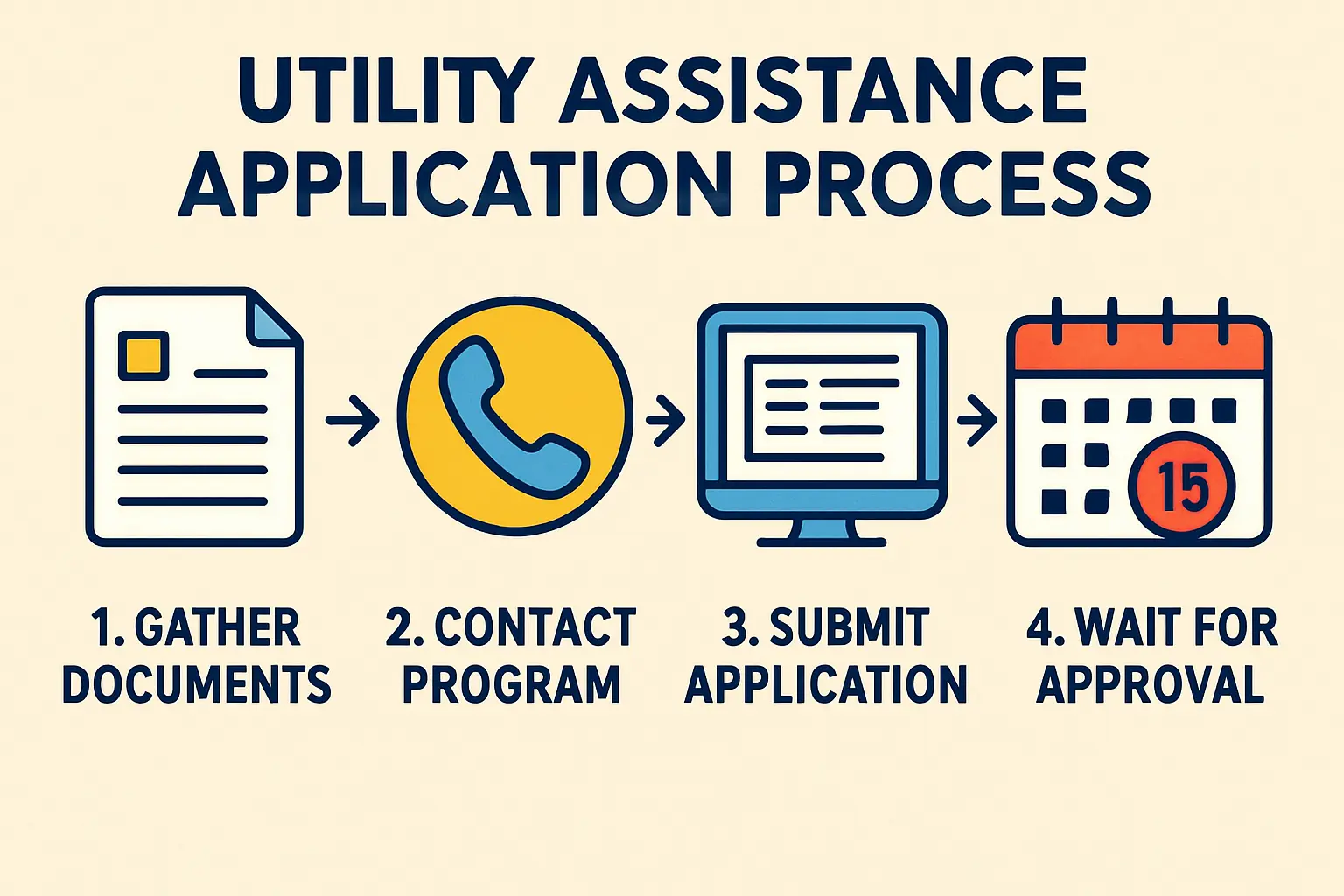
Getting help is simplest if you start by gathering recent utility bills, proof of income, identification, and any additional documents your state’s program needs. Then, use official program finders or your provider’s resources to locate application portals and submit information early.
- Review your state’s moratorium expiration date to prioritize deadline-driven actions.
- Apply directly to LIHEAP or state utility agencies.
- If denied or still struggling, contact your energy provider about payment arrangements or forgiveness programs.
- Remember, some non-profits and local governments offer one-time emergency aid or information on further grants.
Acting quickly could help you avoid disconnection as protections phase out, especially in states with limited notice rules.
You don’t need to struggle alone—many programs are just a form away, but deadlines are firm and funding can run out.
Feeling uncertain? Start with your zip code on official websites or contact your utility’s customer service today. It’s the right moment to see which energy relief programs could keep your home safe and comfortable this winter.