
Worried a Cosigner Release Could Raise Your Loan Bill? Start Here
Your loan may have felt stable for months or years, then one update changes the picture: the cosigner comes off, and the monthly amount may no longer stay the same. That can happen with some private student loans, auto loans, or personal loans, depending on the contract and the lender’s rules.
Not every loan works this way, and not every cosigner release leads to a bigger bill. Still, this is one of those moments when checking the paperwork early matters more than guessing. If the payment could rise, the best move is to figure out why, when it could happen, and what choices might still be open before the next due date gets too close.
This is different from a general debt-relief decision. The issue here is narrower: a loan structure may be changing because one borrower is being removed from the agreement. That can affect the rate, the repayment schedule, or whether refinancing starts to make sense. 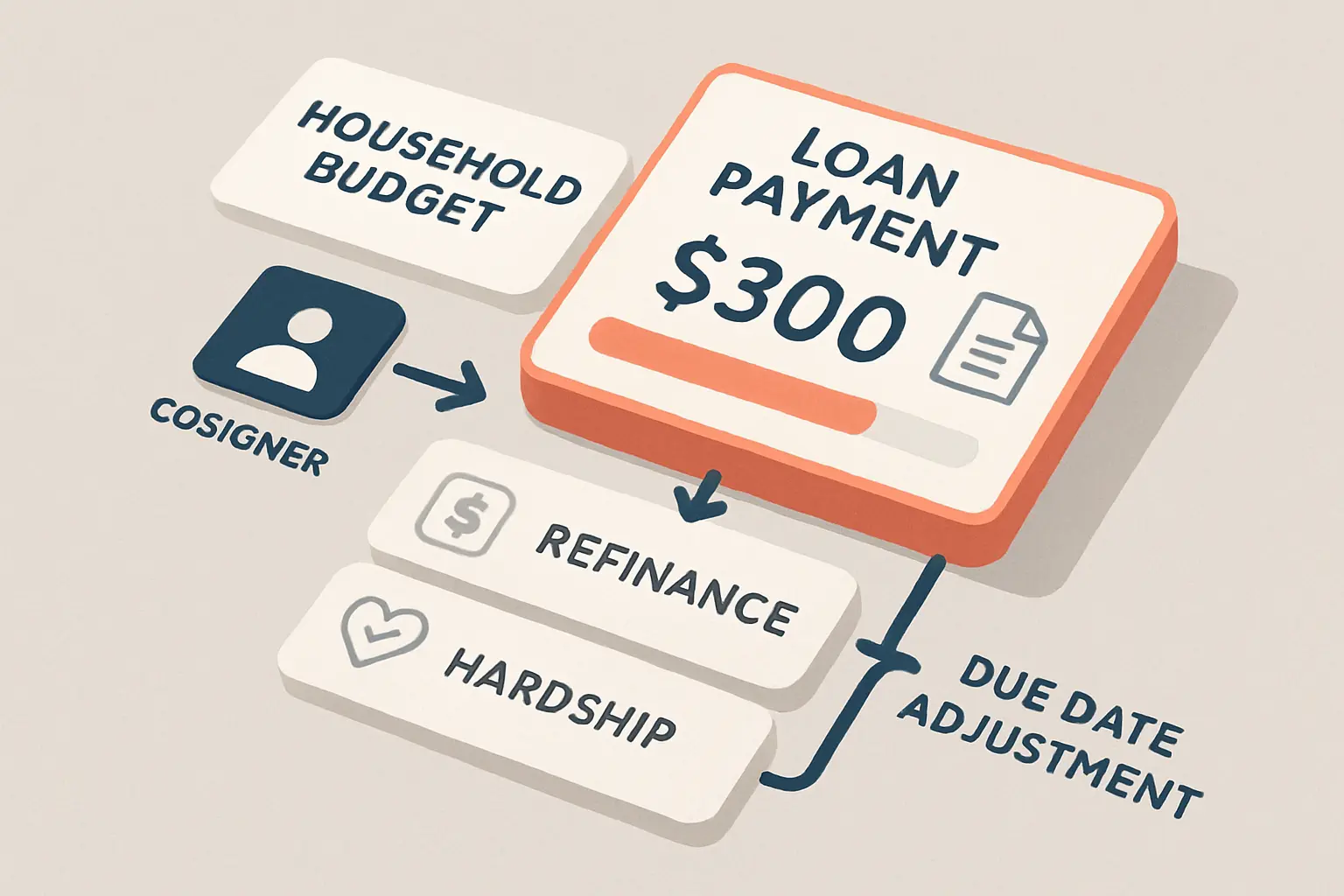
Why a cosigner coming off a loan can change the payment
The monthly bill may shift because the lender is rechecking risk, not because anything went wrong automatically.
A cosigner release can be a positive milestone, but it can also trigger a review of terms that were easier to qualify for when two people were backing the debt.
A cosigner helps a lender feel more secure. That added security may have helped the loan get approved in the first place, or it may have supported a better interest rate than the main borrower could have received alone. Once that second person is removed, the lender may decide the loan should be priced differently going forward, if the contract allows it.
The first thing to know is that this is highly loan-specific. Some lenders keep the same interest rate and payment after a release. Others may only allow release if the primary borrower already qualifies on their own under current standards. In some situations, the payment may not jump because the rate changes, but because the remaining term is shorter than expected or because a temporary feature ends.
That is why the loan agreement matters more than assumptions. Pull the original note or current account terms and look for language about cosigner release, variable rates, re-amortization, loan modification, or refinance requirements. If the wording is hard to follow, call the lender and ask for the exact rule in plain language.
Key questions to ask:
- Does cosigner removal change the APR?
- Will the monthly payment be recalculated?
- Does the repayment term stay the same?
- Is the loan fixed-rate or variable-rate?
- Will the lender send a new disclosure before the change takes effect?
Those details tell you whether this is a paperwork update or a real budget problem in the making.
What to check before the new payment catches you off guard
A short account review now can save you from reacting too late.
The most expensive loan surprises are often the ones borrowers could have spotted one billing cycle earlier with a closer look at notices, rate terms, and due dates.
Start with the lender portal, recent emails, and mailed notices. If a cosigner release is pending, approved, or under review, the lender may have already posted important timing details. Look for a future effective date, a new payment amount, or a message saying updated disclosures are coming.
Then build a simple one-page snapshot of the loan. Write down the current balance, current rate, monthly payment, remaining number of payments, and whether autopay is turned on. If the lender gave any estimate of the post-release payment, put that next to your current number.
This is also a good time to check the broader budget. If the payment rises by even $50 to $150, will the household absorb it comfortably? For some borrowers, that answer is yes. For others, a moderate increase can collide with rent, utilities, groceries, or insurance and create a late-payment risk fast.
Use this checklist:
- Read the cosigner release notice line by line
- Confirm the effective date of any term change
- Save the current payment and APR for comparison
- Check whether autopay will draft the new amount automatically
- Review your last 60 days of spending to see if the higher payment fits
- Note whether the loan is the top budget pressure point or part of a wider squeeze
If you do not see a clear answer in writing, ask the lender directly: “What will my new monthly payment be, and when will it start?” That single question often cuts through vague explanations.
Which options may help if the payment looks too high
If the new bill feels shaky, compare targeted solutions instead of waiting for a late notice.
A higher payment does not always mean the only answer is to struggle through it; sometimes the better move is refinancing, a lender hardship request, or a separate budget adjustment made early.
Once you know the likely new amount, you can compare realistic fixes. The right one depends on whether the issue is the loan itself or your current cash flow.
If the rate is the problem and your credit has improved since the loan began, refinancing may be worth exploring. That can make sense for some private student loans, auto loans, and personal loans. The goal would be to replace the current loan with one that has a better rate or a more manageable term. But compare total cost carefully. A lower payment created by extending the term may relieve monthly pressure while increasing the amount paid over time.
If refinancing is not a good fit, contact the current lender before the first higher bill becomes delinquent. Some lenders may offer payment-plan adjustments, due-date changes, or temporary hardship options. Terms vary, and no outcome is guaranteed, but early contact usually leaves more room than waiting until the account is behind.
You can also look outside the loan itself. If the increase is modest but awkward, offsetting another monthly cost may protect the account. That could mean comparing auto insurance, changing a phone plan, or checking whether local bill-assistance resources can free enough room to keep the loan current.
Possible paths to compare:
- Refinance the loan if your credit and income support better terms
- Ask the lender about hardship or payment-flexibility options
- Move the due date closer to payday if timing is the main issue
- Trim or renegotiate another recurring bill to absorb the increase
- Use a nonprofit credit counselor if several debts are getting tight at once
The key is to match the tool to the reason the payment feels unworkable.
How to talk to the lender and protect your credit while this changes
Clear questions and written records matter more than a rushed phone call.
When loan terms are shifting, the strongest protection is a paper trail that shows what the lender said, when the change starts, and what options were offered.
If you need answers, call prepared. Have your account number, current payment amount, and the cosigner release notice in front of you. Keep the conversation focused on facts you can use.
Good questions include:
- What exact payment will be due after the release takes effect?
- Is the APR changing, and if so, why?
- Will I receive a new payment schedule or disclosure?
- What options exist if the revised payment is difficult to manage?
- How will the account be reported if I request temporary relief?
After the call, write down the representative’s name, date, and what was said. If possible, ask for the updated terms by email or secure message. That way, you are not relying on memory if the draft amount looks different later.
Protecting credit is especially important here. A cosigner release may be a sign that the borrower has built enough payment history to stand on their own. A missed payment right after that milestone can undo some of the progress. If autopay is active, make sure the bank account can handle the new amount before the first draft date. If autopay is off, set reminders well ahead of the due date while you sort out the change.
If the lender offers temporary relief, read the terms carefully. Some arrangements may pause or reduce payments for a short time, but the skipped amount still has to be handled later. Relief can help, but only if you know how it changes the long-term math.
A practical next-step plan if your cosigner release is happening soon
The smartest move is to build a small decision path this week, not after the new payment lands.
A calm one-week review can prevent a loan change from turning into a bigger credit problem, especially when the payment shift is predictable enough to plan around.
If the release is already approved or likely to happen soon, keep the process simple and ordered.
Start with Day 1: gather the loan note, current statement, and any release notice. Day 2: confirm with the lender whether the payment, rate, or term will change. Day 3: compare the new amount with your real monthly budget, not your ideal one. Day 4: if the number is too high, price refinance options or ask about hardship terms. Day 5: review other recurring bills you could reduce if needed. Day 6: make the choice and save every confirmation. Day 7: check autopay and due dates so the transition does not create an accidental late payment.
Use this final checklist:
- Confirm whether the payment will change at all
- Get the new monthly amount and start date in writing
- Compare refinance offers only if the math truly improves
- Contact the current lender before any payment is missed
- Protect autopay, reminders, and account funding during the switch
- Save all notices, messages, and call notes
Losing a cosigner from a loan can feel stressful, but it can also be manageable if you pin down the numbers early. Check the contract, confirm the new payment, compare your options, and see which relief or savings paths may help you stay ahead of the change today.