

Where Can You Turn With Debt After Disaster? Overlooked Relief Moves To Try First
Janelle stood on the curb, clutching a water-damaged folder of overdue bills while surveying the hurricane-wrecked street. As she stared at her credit card statement, the big question loomed: Who actually helps when disaster turns an ordinary financial challenge into a mountain of unpaid debt? If you’ve faced flood, fire, storm, or any urgent crisis this year, the path to peace of mind could start with little-known relief steps—many just waiting to be claimed.
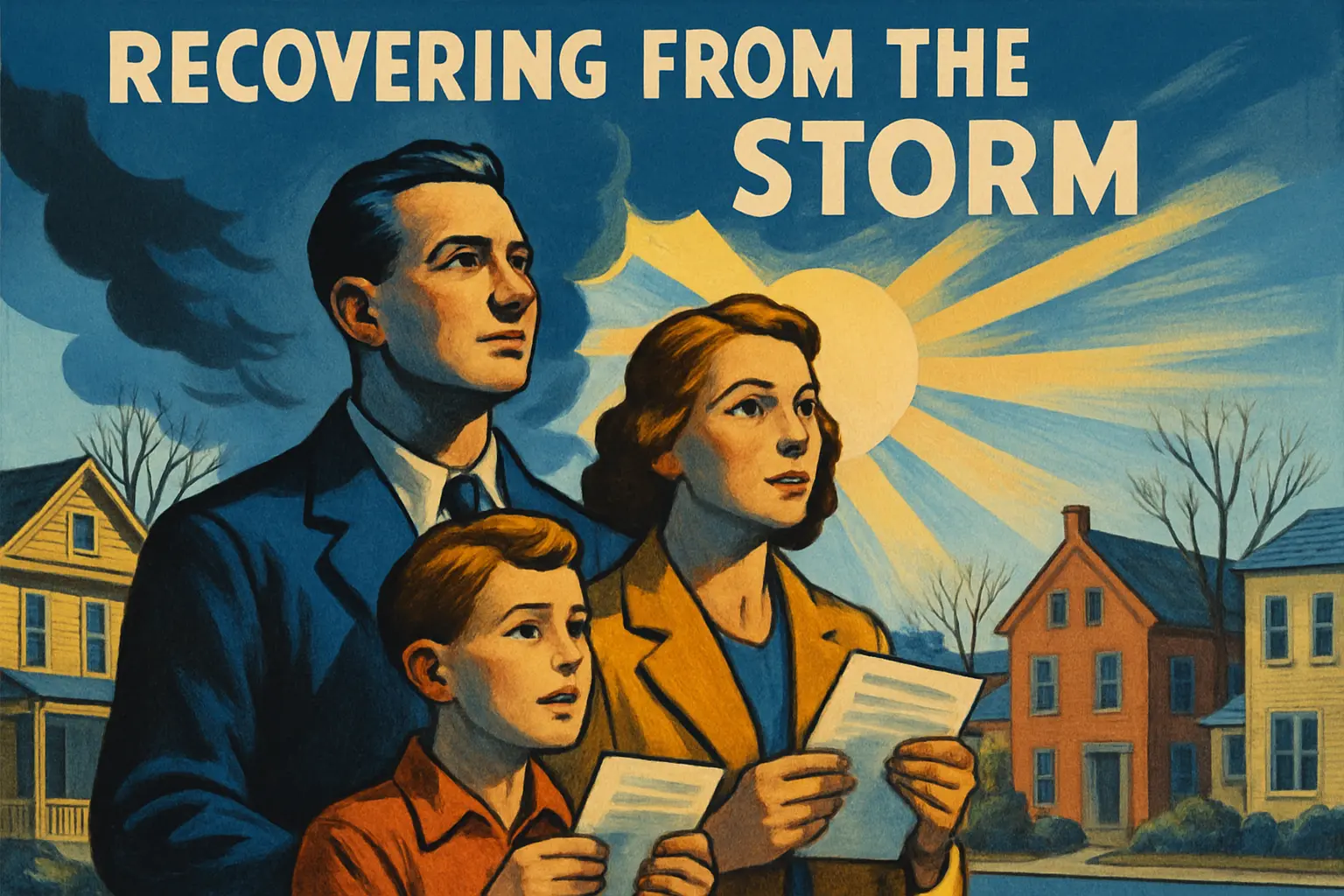
The Hidden Benefits Most Miss: Disaster Debt Relief Programs Few Ask About
FEMA and SBA support aren’t only for damaged homes—they can ease burdens like overdue rent, utilities, and even certain personal debts. Many disaster survivors think federal programs only replace ruined appliances or lost roofs, but there’s much more tucked into these benefits. The FEMA Individual Assistance Program not only covers temporary shelter and repairs, but for qualifying applicants, can help with cost-of-living expenses and other serious “unmet needs” after a declared disaster. Even utility bills, rent, or essentials on overdue credit cards may fit if you show storm-related hardship.
“Application windows for FEMA aid and most disaster programs close within months—and it’s often the folks who ask about nontraditional needs who get extra help.”
- Check FEMA eligibility rules (must verify U.S. citizen or qualified status; have lost or damaged property; or show inability to pay bills because of disaster impact).
- Apply for SBA Disaster Assistance Loans—renters and homeowners alike can borrow up to $40,000 for personal property losses (including utility, moving, or even select medical expenses)
- Community Action Agencies frequently manage emergency grants, bill assistance, or debt counseling for those outside FEMA/SBA lanes—never too early to call.
The overlooked edge? Unlike ordinary bill help, disaster aid considers factors that apply only during the event—temporary job loss, new medical bills, or mandatory evacuations all matter and open extra doors.
Medical, Utility, and Credit Bills: Forgiveness and Delay Options That Grow After A Disaster
Everyday bills—utilities, insurance, hospital visits, minimum payments—don’t stop for storms. Yet most major companies, states, and even credit card issuers quietly unroll waivers or fresh hardship relief as soon as disaster is declared. The lifeline: USA.gov’s directory of disaster financial options shows how tornado- or fire-impacted areas trigger new consumer protection rules, allowing:
- One-time utility forgiveness (check your city or state Public Utilities Commission for “disaster bill relief programs”)
- Credit card forbearance—major issuers accept temporary payment pauses or interest suspensions following qualifying events (call and reference your disaster area status)
- Hospital and clinic billing offices, especially nonprofit ones, have a legal duty to offer sliding-scale discounts and may cancel debts with proper documentation
“The fastest way to shut down collection calls is not to hide—it’s to ask about disaster-specific forbearance or forgiveness. Relief is rarely automatic, so being proactive counts.”
What’s key? Proof is power. Collect FEMA or state disaster paperwork (even a damage report or shelter registration), insurance denial letters, and job loss notes to show you were directly affected. These make bills eligible for fast suspension or partial forgiveness you’d never access otherwise.
Your Playbook: Applying for Relief and Getting Back On Your Feet
The most common mistake after disaster is waiting too long to ask for help—deadlines often close before you’re fully recovered. Want to maximize your chances?
- Start all FEMA, SBA, and utility relief applications immediately (even if repairs or decisions are in progress—the earlier you enter systems, the more rights you keep).
- Email or call every creditor, from landlords to cable bills; specify your disaster and ask about forbearance or zero-interest hardship plans unlocked by your location.
- Prepare digital copies of income, recent bills, disaster reports, and any benefits award notices—most agencies now allow uploads, speeding up reviews.
- Reach out to local Community Action Agencies or state social services; many administer “catchall” emergency funds or run financial navigators who can advocate for you directly.
What if you’re denied? Program rules or funding shift quickly after disasters—appealing or re-applying with fresh documentation can flip decisions, and new aid may launch days or weeks later.
Don’t shoulder post-disaster debt alone: Each piece of documentation, each phone call, and every short application can signal immediate doors for bill cuts or new benefits. Ready to see which disaster relief moves fit your bills and debt? Take 10 minutes now to run an eligibility check through FEMA, local state portals, or a nonprofit benefits navigator—you may unlock more relief and fewer headaches than you expected.