
How Tobacco Cessation Coverage Stacks Up: Medicare, Medicaid, and State Plans for 2025
Imagine you’re ready to quit smoking in 2025. Where you live and the health plan you use could mean the difference between paying out of pocket—or getting prescription meds, group support, and coaching nearly free. Here’s how this year’s coverage for tobacco cessation compares across Medicare, Medicaid, and the patchwork of state health plans.
What Medicare, Medicaid, and State Health Plans Really Cover—And Who Saves Most?
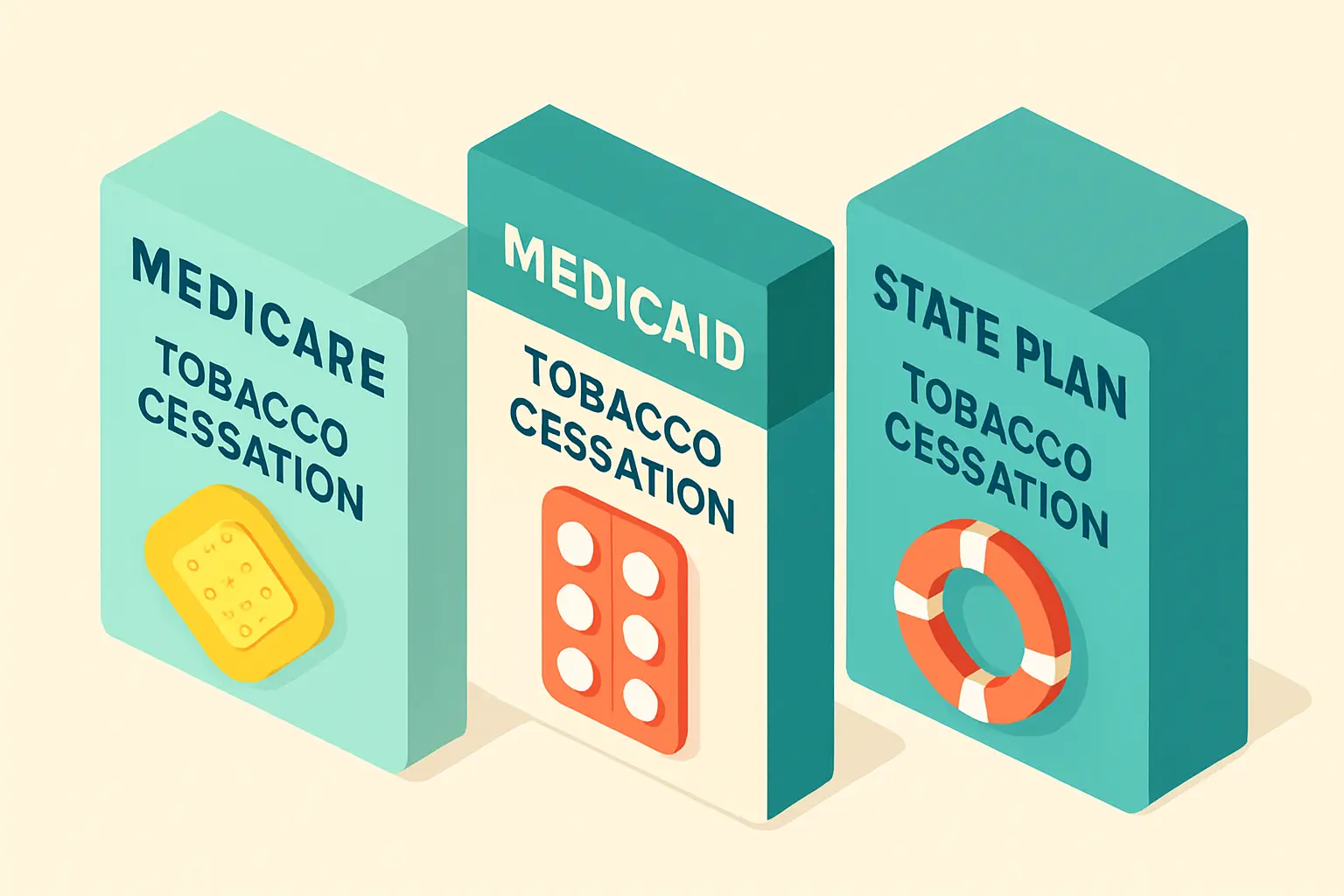
Medicare’s 2025 rules offer counseling for tobacco users at no extra cost if prescribed by a recognized provider. Beneficiaries can access up to eight face-to-face counseling sessions per year. Some prescription cessation aids (like bupropion and varenicline) might be partially covered under Medicare Part D, but plan details, formulary lists, and copays vary. Over-the-counter nicotine replacements aren’t usually included, so you may need to budget a bit more for patches or gum.
Most state Medicaid programs expand these benefits—offering a fuller range of quit-smoking medications and counseling, often with no copay at all. According to the CDC’s updated guides, all states now cover some cessation therapy for Medicaid enrollees, but the menu of covered medications and the number of cost-free counseling attempts is different from state to state.
State employee health plans land in the middle: many feature generous coverage for prescription drugs and quit-lines, but stop at self-help or nicotine gum—so double check your plan documents or state HR resources.
As one Medicaid admin put it, “In many places, most prescription quit tools and supportive counseling are included—with fewer restrictions than Medicare—especially for low- and moderate-income members.”
- Check your state’s free quitline—all Americans can call for counseling, but Medicaid plans often go further by reimbursing prescription options, too.
- State plans for public workers: Copays, prior authorization, or required check-ins may affect how much you pay for patches, meds, or group coaching.
- If income is tight, Medicaid stands out for providing the “broadest” savings—often at zero out-of-pocket cost.
The Dollars and Details: Understanding Savings and Gaps Across Programs
Securing quit support can mean huge monthly savings—not just in the cigarette money you pocket, but from lower pharmacy or doctor costs. With Medicare, the biggest catch is that only certain drugs and in-person counseling visits are covered—so compare Part D plans before enrolling. Medicaid plans usually drop all user fees for cessation aids in line with state rules, and certain states include extra counseling or digital tools beyond federal minimums. Still, some gaps remain—rural members may find fewer in-network counselors, while Medicaid managed care sometimes requires a doctor’s script to get each therapy round paid for.
“One Medicaid user in Oregon reports saving nearly $700 in prescriptions, patches, and three counseling cycles in a single year, while a nearby retiree on standard Medicare paid $35 a month for nicotine gum not on their plan’s list.”
- Most states’ Medicaid coverage charts detail every covered medication—and explain what’s truly free versus what could still involve a pharmacy charge.
- Employers and state plans sometimes have stop-smoking perks that expire each year—always check if a fresh benefit window opens with the new calendar.
If you’re already on Medicaid or considering applying, most states have income-based eligibility at or below 138% of the federal poverty level (and many offer quick enrollment online). For Medicare recipients, October open enrollment is your shot to upgrade to a plan that makes script refills or extra counseling more affordable.
The right benefit can slash quitting costs from hundreds a year to nearly zero—and vastly improve success odds for your quit attempt.
What to Prepare—And How to Make The Most of 2025’s Quit Smoking Aid
Wherever you’re starting, bring documentation—insurance cards, proof of income if applying for Medicaid, and a willingness to follow up with your provider. For most plans, both a medical provider’s prescription and a quit plan (online, on paper, or by phone) are needed before full benefits kick in. If using a state employee plan, call HR or your benefits portal for paperwork or claim assistance before you make your first pharmacy trip.
Don’t forget: quitlines are free, confidential, and open to all—even if you aren’t sure on your insurance yet. Every plan has slightly different steps, but starting with a provider visit or a benefits check can unlock more coverage than you expect.
Pro Tip: Explore state-managed “tobacco cessation benefits charts” or program finders for the most up-to-date info before choosing a strategy.
- Ready to apply for Medicaid’s quit support? Head to your state’s portal to start or renew benefits.
- Already on Medicare? Review your Part D plan instructions or schedule a wellness visit for a direct plan referral.
- Looking for a local quitline? The CDC’s finder tool can get you connected 24/7 with trained coaches in every state.
This could be your year to kick the habit far more affordably. Spend a few minutes on your plan’s options or a quick call to your state’s quitline, and see which programs fit your needs and budget. Free your wallet—and your health—one step at a time.